Are LED Lights Safe for Eyes? What Travelers Should Know
Are LED lights safe for eyes? It’s a question more and more travelers are asking as they rely on compact and energy-efficient lighting across the globe. From stargazing camps in Chile’s Valle de Elqui to night markets in Chiang Mai, LED lights illuminate countless adventures. They power our headlamps, hostel rooms, and even the cozy corners of van life setups. But as we bask in their glow, it’s worth understanding how these lights might affect eye health—especially when travel throws off normal routines.
Eye safety isn’t just a tech concern—it matters to parents settling into unfamiliar hotel rooms, trekkers adjusting to new time zones, and digital nomads glued to their screens. This article breaks down how LED lights work, their potential risks, and smart travel-based strategies for keeping your eyesight protected, no matter where you explore.
How LED Lights Work (and Why You See Them Everywhere)
LED stands for “light-emitting diode,” a technology that produces light by passing electricity through semiconductors. Unlike older incandescent bulbs, LEDs are compact, energy-efficient, and emit very little heat. They also last much longer, making them ideal for travel, hospitality, and outdoor use.
That’s why they show up everywhere—from your USB reading lamp on a sleeper train in India to the path lights in Costa Rica’s jungles. You’ll also find them in overhead fixtures in airport lounges, boutique hotel rooms, and even in solar-charged lanterns in remote desert camps. Their versatility is unmatched, but with widespread use comes growing concern: are LED lights safe for eyes, especially with daily or nighttime exposure?
Are LED Lights Safe for Eyes? Key Research and Risks
The short answer to “are LED lights safe for eyes” is—it depends. Several factors influence their safety, including brightness, duration, distance from your eyes, and the color temperature. Many white LED lights, especially those labeled “cool white” or “daylight,” emit a significant amount of blue light, which has earned scrutiny from health experts.
A 2019 report from France’s ANSES (the national agency for food, environmental and occupational health safety) highlighted concerns that strong blue light can disrupt circadian rhythms and, with extended exposure, may contribute to retinal cell damage. This is especially relevant when you’re navigating bright hotel lighting or using tablets in bed after long travel days.
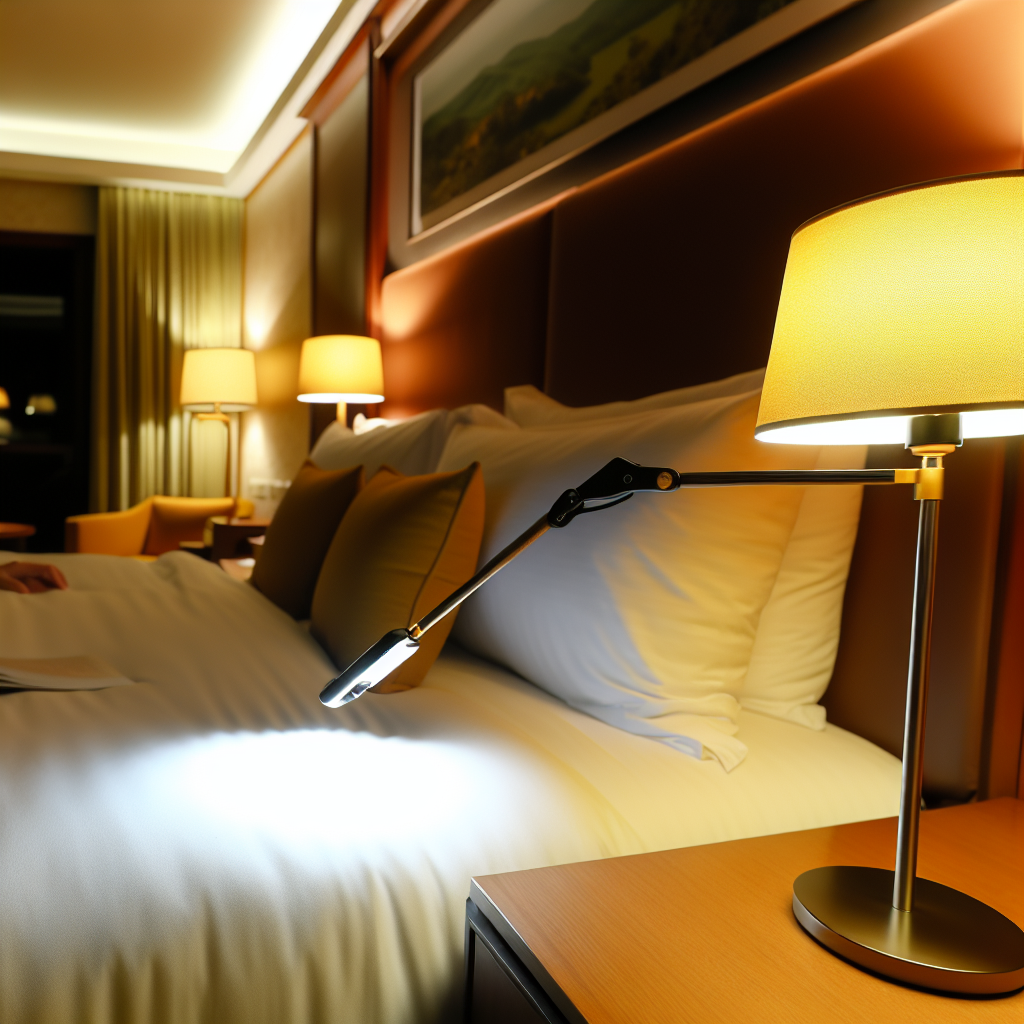
For children, the risk is higher. Their eye lenses are clearer, allowing more blue light to reach the retina. So when traveling with kids, it’s wise to swap harsh lighting for amber-hued or adjustable lamps—particularly in tents, B&Bs, or Airbnb stays—helping preserve melatonin production for healthy sleep.
Travel-Specific Tips for Safer LED Light Use
When you’re changing accommodation every few nights—from high-rise hotels in Bangkok to isolated huts in the Alps—your lighting environment also changes. So how can you protect your eyes while still enjoying the flexibility of LED lighting?
Try these traveler-approved tips to safeguard your vision and reduce blue light disruptions:
- Choose Warm-White LEDs: Use lighting products labeled as warm (2700K–3000K). Warmer lights emit less blue light and feel more relaxing—ideal for evening use.
- Carry Amber/Red Travel Lights: Whether for brushing your teeth at a dark campsite or joining a nighttime wildlife tour, amber or red lights from brands like BioLite reduce eye strain while preserving night vision.
- Wear Blue-Light Filtering Glasses: Especially useful for digital nomads or frequent planners—look for glasses from trusted names like Felix Gray, designed to shield against screen glare.
- Dim Harsh Lights: Choose accommodations with adjustable lighting, and if needed, use scarves or towels to diffuse fixed LED bulbs and soften the mood.
- Power Down Screens Early: Avoid phones, tablets, or laptops at least an hour before sleep. Even on overnight buses or long-haul flights, screen time affects melatonin release and circadian rhythm.
Global Travel Spots That Get Lighting Right
Some destinations prioritize eye-comfort through smart LED choices and thoughtful design. Consider adding one of these lighting-conscious locations to your itinerary:
- EcoCamp Patagonia (Chile): Famous for its geodesic domes, this off-grid retreat uses only warm-toned LEDs to help guests sleep well during long Southern Hemisphere nights.
- Wadi Rum Desert Camps (Jordan): Many Bedouin-run sites use solar LEDs with amber hues, blending natural aesthetics with restful atmospheric lighting under the stars.
- Canopy by Hilton Reykjavik (Iceland): This forward-thinking hotel features dimmable bedside lights, blackout blinds, and low-glare fixtures—perfect for coping with the midnight sun or polar darkness.
- Soneva Fushi (Maldives): At this luxurious barefoot resort, lighting is kept minimal and warm. Screens are discouraged, fostering a more restful, eye-friendly environment throughout your stay.
Sites like Unique Stays and Responsible Travel sometimes list “blue-light-friendly” accommodations. Or simply ask before you book: “Do you use warm or adjustable LED lighting in your rooms?” It’s a simple question that can go a long way toward ensuring quality rest—and protecting your eyes.
Nighttime City Adventures Without the Eye Strain
Exploring vibrant cities after dark is part of the joy of travel—but it can also expose you to intense and often unregulated lighting. Think flashing LED billboards in Tokyo or Vegas, or glaring signage in São Paulo’s urban heart. So, how can you enjoy night scenes without tiring your eyes?
First, look for tours or activities in historical areas that rely on subtler lighting. For example, Luang Prabang, Kyoto, or the Albayzín district in Granada often use warm, ambient lights that evoke atmosphere without overwhelming. Guided evening walks in such places immerse you in culture and story—minus the overstimulation.
If you’re navigating brightly lit areas, anti-reflective sunglasses (even at night) can reduce glare. For families, time your outings earlier in the evening. That way, both your eyes and your kids’ sleep cycles stay in sync.
Practical Takeaways for Healthy, Light-Savvy Travel
So, are LED lights safe for eyes? When used wisely—with attention to exposure time, color temperature, and proximity—they generally are. But just like with water filters, sun protection, or food hygiene, lighting deserves a thoughtful place in your travel checklist.
Opt for warm lighting where possible, limit nighttime screen use, and be mindful when staying in ultra-modern or poorly lit eco-spots. Simple changes in your lighting habits can noticeably improve your sleep, mood, and comfort on the road.
In today’s LED-lit world, informed travelers light their path with more than just convenience—they choose comfort and well-being, one warm glow at a time.