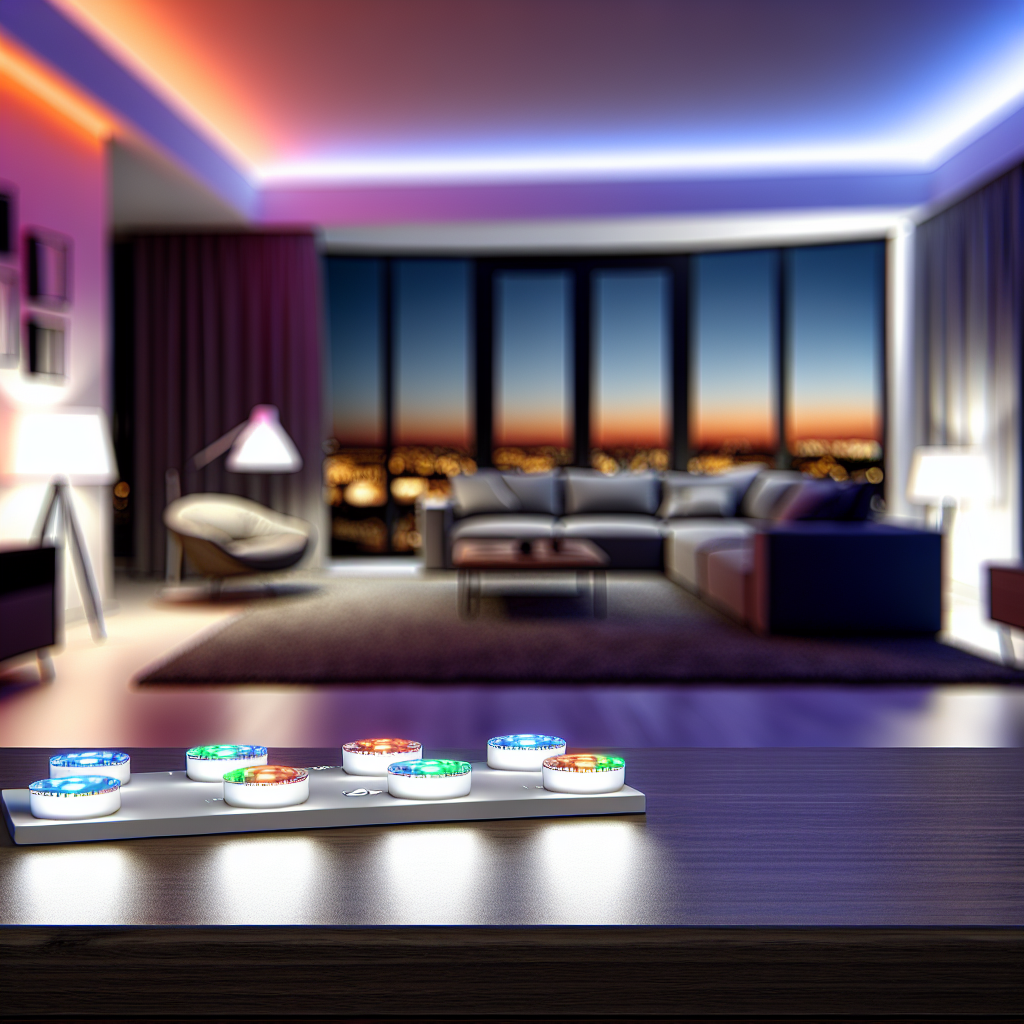
Smart LED lighting features have become a must-have in modern homes and commercial spaces, offering a seamless blend of design, control, and energy efficiency. No longer a high-tech novelty, smart LED solutions provide customizable ambiance and remote access while saving on energy costs. Whether you’re upgrading interior lighting, enhancing outdoor security, or optimizing office setups, understanding smart LED lighting features can help you make smarter, more sustainable lighting choices.
What Makes Smart LED Lighting “Smart”?
At the core of smart LED lighting features is the ability to automate, schedule, and remotely control lights using mobile apps or voice assistants. These lights connect via Wi-Fi, Bluetooth, Zigbee, or Z-Wave, integrating into ecosystems like Google Home, Amazon Alexa, and Apple HomeKit. Unlike traditional lighting, these connected LEDs offer a dynamic range of capabilities that extend far beyond flipping a switch.
Essential Smart LED Lighting Features to Look For
- Remote App Control: Adjust brightness and colors on the go, whether you’re at work or traveling.
- Voice Compatibility: Control lighting hands-free using voice commands with smart assistants like Alexa or Siri.
- Color Temperature Adjustment: Shift between warm (2700K) and cool (5000K) whites to match mood, time, or tasks.
- Full RGB Color Spectrum: Set vibrant themes and scenes using millions of customizable hues.
- Automation & Scheduling: Program lights to operate based on routines, weather, occupancy, or sunrise/sunset cycles.
- Motion-Activated Lighting: Automatically light up rooms or pathways only when needed.
- Dimming & Custom Scenes: Save and activate specific settings for different activities like movie nights or workouts.
These smart features elevate lighting to a central component of home automation and human-centric design. Whether in bedrooms, kitchens, or offices, smart LED lighting features can align illumination with natural rhythms and personal routines.
Smart LED Lighting Options & Applications
Smart LED solutions come in a variety of bulb types and fixture designs to meet every need—from ambient living room lighting to high-performance task lighting in commercial spaces. Making the right selection requires thinking about room size, fixture compatibility, beam spread, brightness (lumens), and energy usage.
Popular Smart LED Lighting Types
- A19 Smart Bulbs: Best for general use in lamps and overhead fixtures; typically around 800 lumens (60W equivalent).
- BR30 Downlights: Great for recessed can lights, offering broad 110° beam angles; perfect for kitchens and living rooms.
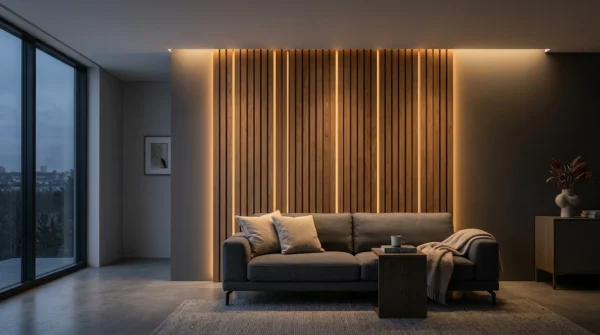
- Smart LED Strips: Ideal for under-cabinet, shelf, or ambient accent lighting with color-tunable effects.
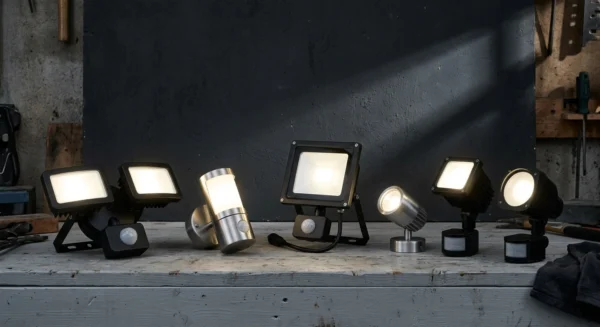
- Outdoor Smart Floodlights: Feature motion detection and dusk-to-dawn sensors for added security.
- Wall Sconces & Pendant Lights: Stylish options that blend function with form in entryways and dining areas.
- Troffer Panels & Linear Fixtures: Offer bright, tunable output (4000K–6500K) for commercial or workplace settings.
Lumens indicate how bright a light will be—800 for bedrooms is often sufficient, while garages or home offices may benefit from fixtures exceeding 1,500 lumens. Beam angle also matters: narrow angles spotlight specific areas, while wide beams flood a room with even light.
Always ensure your lights are compatible with your smart ecosystem. For example, Philips Hue uses Zigbee and requires a bridge, while LIFX connects directly via Wi-Fi. Commercial installations might use DALI or DMX for broader integration into facility systems.
Saving Energy with Smart LED Lighting Features
Efficiency is one of the most powerful smart LED lighting features. LED bulbs already use up to 80% less energy than traditional bulbs. When combined with smart capabilities like dimming, motion sensing, and automation, energy use drops even further—lowering utility bills and environmental impact.
Consider this: replacing ten 60W incandescent bulbs with 9W smart LEDs saves around 1,100 kWh annually. That’s approximately $150 off your energy bill, depending on local electricity rates. With scheduling and auto-off functions, smart LED setups often pay for themselves in under two years.
Advanced models offer usage tracking per bulb or fixture. For large-scale operations, integrating smart lighting into a Building Management System enables automated dimming based on occupancy, daylight availability, or utility pricing.
Boosting Mood and Health with Tunable Light
One of the standout smart LED lighting features is color temperature tuning. Adjusting light warmth helps support natural circadian rhythms and boosts wellness at home and work. Smart lights emulate daylight in the morning to energize, then shift to warmer tones in the evening to encourage relaxation.
Sample Scene Ideas
- Morning Wake-Up: Set lights to a cool 4000K at 80% brightness in the bathroom and kitchen to stimulate alertness.
- Afternoon Focus: Use 5000K lighting in your home office to improve productivity and reduce eye strain.
- Evening Wind-Down: Transition to soft, warm light (2700K) at 30% brightness to prepare for sleep.
Color Rendering Index (CRI) is also important. Look for smart LEDs with a CRI of 90+ to reflect colors accurately—essential in kitchens, retail spaces, and art studios. Advanced RGBWW (white + color) bulbs deliver both functional daylight and celebratory color environments.
Installation Strategies: DIY or Professional?
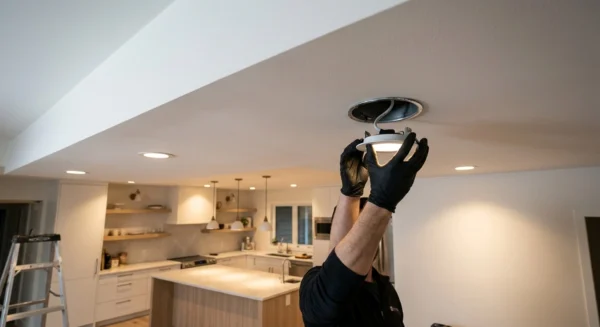
Many smart LED products are designed for homeowners to install with ease—from screw-in bulbs to adhesive-backed light strips. However, installations like in-wall smart switches, dimmers, or custom fixtures may require time and expertise, especially in older homes lacking a neutral wire.
When planning installation:
- Check for Wi-Fi strength where lighting will be placed.
- Ensure fixture types match junction box sizing and support proper weight.
- Use IP65-rated gear for outdoor applications, especially in wet climates.
Opt for professional installation when integrating lighting with advanced home automation platforms, dealing with electrical wiring, or setting up commercial systems using DMX or DALI controls. In these cases, safety and code compliance are top priorities.
Improve Security and Peace of Mind
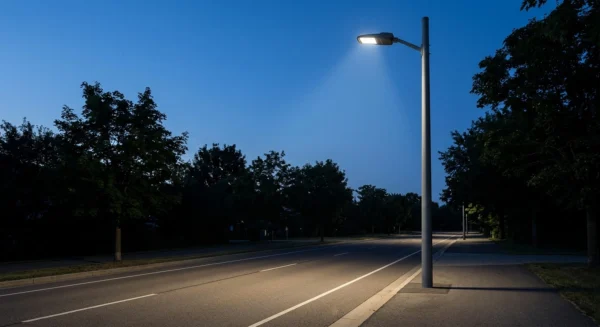
Smart LED lighting features also contribute to home safety. Automations can light up entries after dark, while vacation modes randomly turn lights on and off to simulate occupancy. Outdoor motion-activated lights deter trespassers and improve visibility. Some systems link with security hubs like Ring or SimpliSafe to respond to alarms with flashing lights or automatic recordings.
Choose battery-backup smart bulbs that stay on during outages. Wall-switch overrides ensure functionality even during app or Wi-Fi failures. Lights that respond automatically to emergencies—illuminating exit paths or exterior areas—contribute to safer homes and workplaces, day or night.
Final Thoughts: Choosing the Right Smart LED Lighting Features
Upgrading to smart lighting is about more than convenience—it’s a long-term investment in automation, efficiency, and comfort. By choosing products with smart LED lighting features tailored to your goals, you gain powerful control over mood, safety, savings, and performance.
Start with a room or two, prioritize interoperability with your existing devices, and scale as your needs grow. Whether you’re seeking smarter ambiance or energy accountability, the right smart lighting solution will enhance every corner of your space.