Upgrading to LED bulbs for RV lights is one of the smartest decisions you can make to improve your mobile living experience. Whether you’re a full-time RVer, a weekend adventurer, or managing a campground, switching to LED lighting enhances visibility, reduces energy usage, and boosts safety—both inside and outside your RV. Unlike traditional halogen or incandescent bulbs, LED lights produce minimal heat, conserve battery power, and offer long-lasting, cost-effective performance ideal for compact living spaces.
Why LED Bulbs for RV Lights Are Essential
LED bulbs for RV lights have transformed how RVers illuminate their spaces. In compact and power-limited environments, every watt matters. Standard incandescent RV bulbs often consume 10–20 watts and generate excess heat, while LEDs use just 3–5 watts to deliver the same brightness—often 250 to 400 lumens—without the heat buildup. Most LEDs also last over 25,000 hours, reducing replacement frequency and waste.
If your rig runs on solar or deep-cycle batteries, switching to LED lights can extend available runtime by conserving energy. LEDs also produce directional light, a feature that improves performance in task lighting by reducing wasted illumination. Depending on your needs, wide beam LEDs (120°) work well in general lighting, while narrow beams (30°–60°) are ideal for workspaces or reading areas.
Most RV systems operate on 12V DC, so it’s critical to choose bulbs specifically rated for that voltage. Some LED options are dual compatible with 12V/24V DC and 110V AC, providing flexibility whether you’re boondocking or hooked up at a campground.
Best Types of LED Bulbs for RV Use
Selecting the right LED bulbs for RV lights goes beyond matching socket types. RV lighting fixtures come in various shapes and specifications, so it’s important to pair each bulb with the correct fixture and purpose. Below are common LED bulb formats used in RVs:
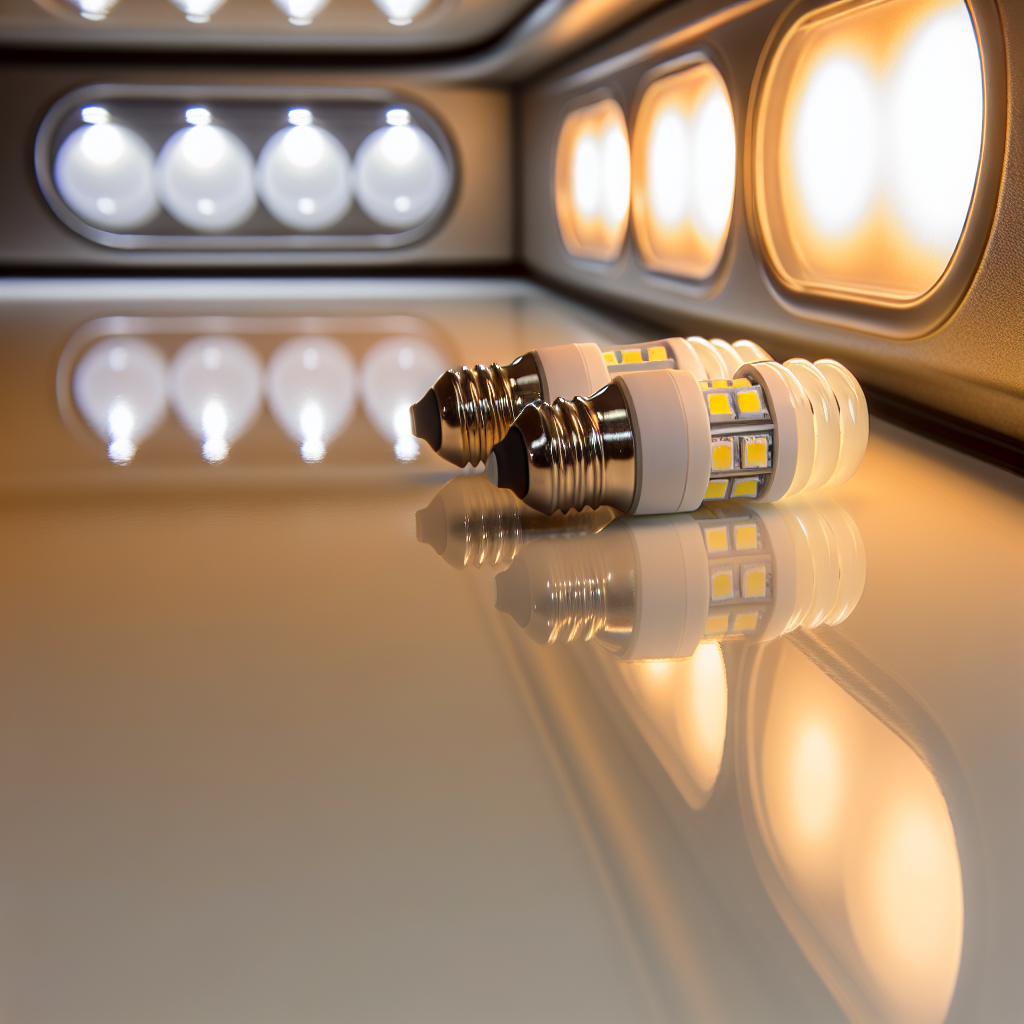
- 921 Wedge Base LEDs: Perfect for dome lights and light bars. These bulbs produce 250–400 lumens and often include voltage regulators for 10–30V compatibility.
- G4 Bi-Pin LEDs: Found in puck lights and vanity fixtures. Available in disc or corn shapes, and warm white options (2700K–3000K) provide cozy lighting.
- BA15S/1156 Bayonet Base LEDs: Ideal for marker, porch, and backup lights. Choose models with IP65+ waterproof ratings and anti-vibration construction.
- T10/194 Wedge LEDs: Common in accent lighting—great for steps or cabinets due to their compact size and directional spread.
- PAR and MR16 LEDs: Used in spotlights or directional fixtures. These bulbs allow beam angle control and are often dimmable.
Always compare lumens, color temperature, and beam angle when replacing bulbs. Look for “no polarity” labels for easier installation, especially in hard-to-reach areas.
Optimizing Color Temperature for Comfort and Function
The quality of your RV lighting comes down not only to brightness but also to color tone. LED bulbs for RV lights are available in a variety of color temperatures measured in Kelvin (K). Warmer tones (2700K–3000K) create a relaxing atmosphere—ideal for bedrooms and sitting areas. Cooler tones (4000K–6000K) mimic daylight and are better suited for kitchens, bathrooms, and workspaces.
For areas requiring flexibility, opt for dimmable LEDs or smart bulbs with app or remote control. These let you switch between color temperatures or adjust brightness depending on how the space is used. Consistency is key—mixing warm and cool tones in the same area can feel disjointed, so plan by zone.
In commercial or high-traffic RV settings, 5000K+ bulbs offer a crisp, clean appearance that reduces eye strain, especially helpful for workstations or rental unit interiors.
Improving Exterior Safety With Outdoor RV LED Lighting
Outdoor LED bulbs for RV lights improve visibility, safety, and style. From porch lights to undercarriage strip lights, exterior illumination must withstand harsh environments. Look for IP65 or higher waterproof ratings, UV-protected casings, and vibration-proof designs for long-term durability.
Replacing an incandescent porch bulb (like the 1156 model) with an LED alternative enhances brightness while reducing energy usage by over 80%. Choose a soft white tone (3000K–4000K) for entry lighting to help with object recognition at night without harsh glare.
LED strip lights under awnings or on patios provide ambient lighting with low power draw. Many feature dimming, RGB color options, and adhesive backing for drill-free installation. Always calculate current draw to stay within your 12V system’s capacity and include fuses as needed.
How to Choose the Right LED Bulbs for RV Lights
To get the most out of your lighting upgrade, choosing the right LED bulbs for RV lights means looking beyond shape and size. Focus on these essential criteria:
- Voltage Compatibility: Use bulbs rated for 12V DC or a 10–30V variable range to avoid flickering and early failure.
- Lumen Output: Measure brightness in lumens, not watts. A 5W LED can easily replace a 30W halogen bulb.
- Beam Spread: Use spot beams (30°–60°) for reading and cooking, and flood beams (90°–180°) for general lighting.
- Driver Regulation: Built-in voltage regulators protect against RV power spikes and conserve bulb life.
- Dimming Function: Ensure bulbs are labeled as dimmable and compatible with your switches or control panels.
- Smart Integration: Consider smart LEDs with Alexa or Google Assistant compatibility for advanced control—ideal during shore power use or generator ops.
Installation Tips for RV LED Conversions
Installing LED bulbs for RV lights is generally easy, but compatibility needs careful attention. Older fixtures designed for halogen may include resistors or transformers that interfere with LEDs. Always test new bulbs in one fixture first to avoid widespread issues like flickering or failure.
When upgrading multiple fixtures, label circuits and check the cumulative amperage draw. Although LED bulbs use less power, overloading weak wiring or outdated fuses is still possible if many new lights are installed at once.
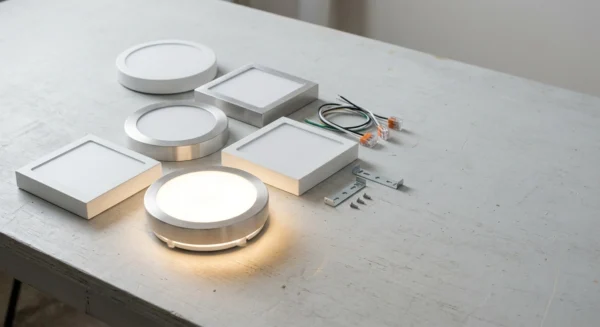
In modern RVs, consider LED panel replacements that include multiple surface-mounted diodes (SMDs) and adhesive backing. These panels are lightweight, easy to mount, and offer uniform illumination. Use waterproof connectors or solderless clip systems for a secure and clean look.
Finally, remember that while LEDs generate less heat, poor ventilation can still lead to premature yellowing or reduced performance in enclosed fixtures. Keep airflow paths clear where possible.
Light Your RV Smarter
Whether you’re renovating a vintage trailer or outfitting a luxury motorhome, upgrading to LED bulbs for RV lights delivers significant advantages: energy savings, better light quality, lower maintenance, and improved control. With the variety of LED options available, it’s easier than ever to enhance your living space while staying efficient and eco-conscious.
Assess each space in your RV and select bulbs that match your fixture types, voltage systems, and lifestyle needs. The right lighting strategy will make your RV brighter, safer, more stylish, and more sustainable—all while keeping your energy budget in check on every journey.