Essential LED lighting is a smart investment for homeowners, commercial property managers, and renovators looking to improve energy efficiency, ambiance, and performance. Whether you’re upgrading fixtures, planning a remodel, or just exploring new lighting options, understanding the fundamentals of LED technology makes your decisions easier and outcomes better. This beginner-friendly guide breaks down the key concepts of essential LED lighting to help you create functional, stylish, and eco-friendly spaces.
Understanding the Basics of Essential LED Lighting
Before choosing fixtures or diving into smart upgrades, familiarize yourself with fundamental LED lighting terminology. Light Emitting Diodes (LEDs) are semiconductors that emit light when electric current passes through them. In contrast to incandescent or fluorescent bulbs, LEDs are cooler-running, longer-lasting, and remarkably energy-efficient—making them ideal across residential and commercial settings.
Here are core terms to guide your choice of essential LED lighting products:
- Lumens: A measure of brightness. Higher lumens mean brighter light. For example, an 800-lumen LED replaces a traditional 60-watt bulb.
- Watts: Reflects energy consumption. An 800-lumen LED typically uses 8–10 watts—significantly more efficient than older technologies.
- Color Temperature (Kelvin): Ranges from warm (2700K) to cool daylight (5000K). Each level serves a different mood and function.
- CRI (Color Rendering Index): Indicates how accurately colors appear under a light source. A CRI rating of 80+ is great for most spaces; 90+ is ideal for tasks requiring color precision.
- Beam Angle: Defines the spread of light. Spotlights feature narrow beams (15–30°), while ambient lights have wide beams (60° or more).
Mastering these basics helps you create lighting configurations that suit each space’s purpose. For instance, kitchens benefit from 4000K LED lighting with a CRI over 90 to ensure color clarity and functionality at work surfaces.
Matching LED Lighting Types to Purpose
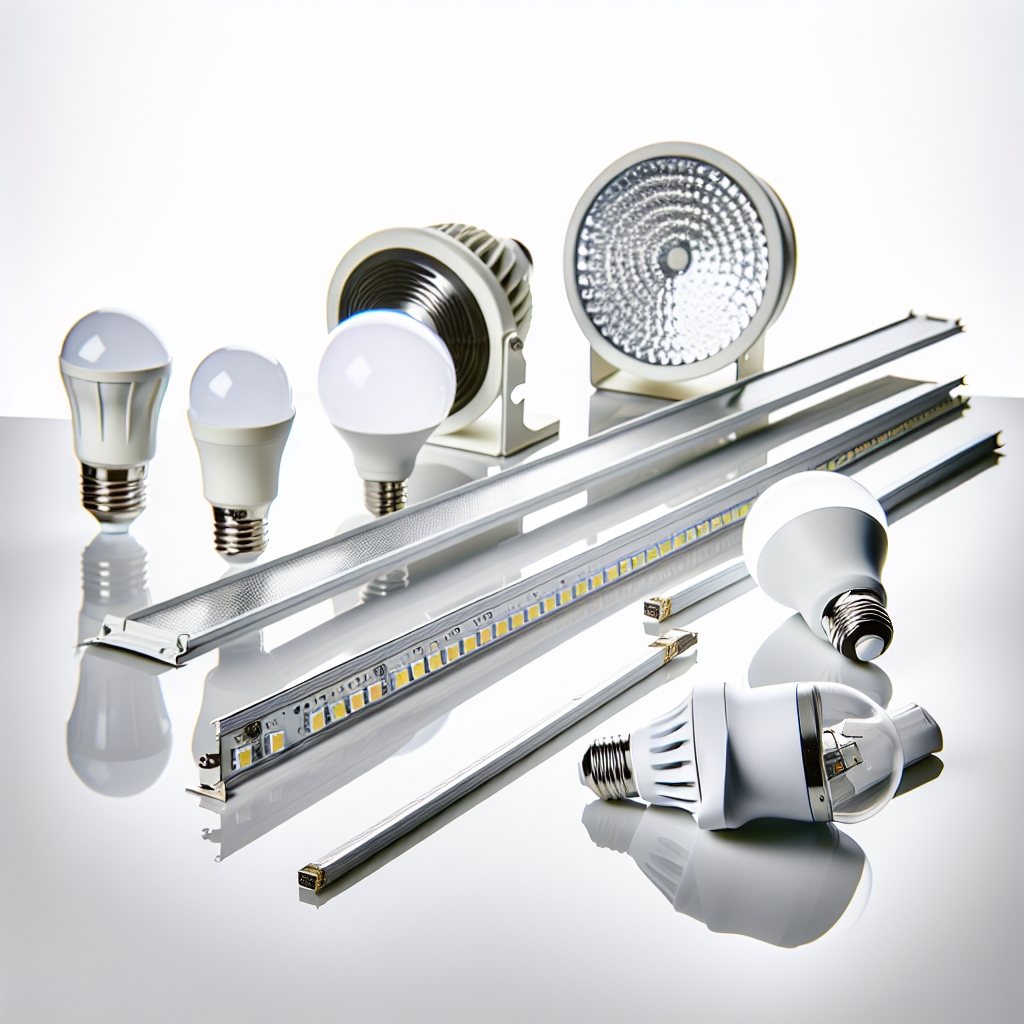
With essential LED lighting options more diverse than ever, picking the right variant for your space enhances both performance and visual appeal. Here’s how to match fixture types with key applications:
- A19 Bulbs: Classic bulb shape for ceiling fixtures, lamps, and fans. Ideal for general lighting in bedrooms, living rooms, and offices.
- BR & PAR Bulbs: Used for directional lighting in recessed or track configurations. BR bulbs offer wide coverage, while PAR bulbs are best for focused highlighting.
- T8 Tubes: Linear LEDs typically seen in basements, garages, and offices. Offer consistent brightness and excellent longevity.
- LED Strips: Perfect for under-cabinet accents, shelf lighting, or architectural features. They are flexible, low-profile, and often dimmable.
- Flush Mount Fixtures: Great for low-ceiling spaces like closets, hallways, and mudrooms. Choose color-selectable models for more lighting control.
- Outdoor Floodlights: Motion-activated and weather-resistant. Ideal for patios, driveways, garages, and perimeter security lighting.
Always ensure outdoor fixtures are adequately sealed with an IP65 rating or better and suited for damp or wet locations. UV protection is a bonus for long-term durability.
Energy Savings Through Smart Lighting Design
One of the most compelling reasons to switch to essential LED lighting is energy efficiency. LEDs generally use up to 85% less electricity than incandescents. They also reduce cooling costs, because LEDs generate minimal heat. Life expectancy is impressive: 15,000 to 50,000 hours of runtime translates into years of worry-free operation.
Here’s how to amplify those savings:
- Choose dimmable LEDs: They consume less power when dimmed and extend lifespan by operating in lower modes.
- Use occupancy sensors: A practical upgrade for bathrooms, storage areas, and conference rooms.
- Leverage daylight-sensing dimmers: Dynamically adjust output in response to natural light levels, reducing waste and enhancing productivity.
- Opt for ENERGY STAR® certified products: These models meet strict performance standards and often qualify for rebates or incentives.
In a typical 2,000-square-foot residence that adopts all-LED lighting, annual savings of over $300 are achievable—especially when integrated with timers and smart scheduling.
How to Select the Right Color Temperature
Color temperature significantly affects a space’s mood and functionality. By understanding the spectrum of warm to cool lighting, you can tailor essential LED lighting to your needs.
- 2700K – Warm White: Offers cozy ambiance. Best for relaxed spaces like bedrooms or family rooms.
- 3000K – Soft White: Works well in kitchens, bathrooms, and transitional areas such as hallways.
- 4000K – Neutral White: Ideal for utility zones, laundry rooms, and workstations—bright but not harsh.
- 5000K – Daylight: Perfect for detail-oriented tasks and garage workshops. Stimulates focus and visibility.
For harmony, avoid mixing lighting colors within the same visual line. A consistent Correlated Color Temperature (CCT) ensures visual balance and cohesive interior design, especially in open-concept areas.
Best Practices for LED Lighting Installation
Installing essential LED lighting with a few professional techniques can yield smoother results and better performance. These strategies ensure light consistency and user comfort.
- Check dimmer compatibility: Only use LEDs rated as dimmable. Upgrade older dimmer switches to modern LED-compatible models for flicker-free operation.
- Match beam angles to ceiling height: Taller ceilings require narrower beams to concentrate light effectively, while short ceilings benefit from wider angles.
- Use layered lighting: Blend ambient overhead lighting with task lights and decorative accents to create depth and adaptability.
- Install gimbal recessed lights on angled ceilings: These fixtures help direct light exactly where it’s needed while minimizing glare.
- Follow spacing guidelines: Place recessed lights 1.5 to 2 times the distance from the ceiling for even coverage throughout the room.
Larger or more complex projects may benefit from consulting a certified lighting designer or licensed electrician, especially when advanced programming or energy compliance is involved.
Smart Technology in Essential LED Lighting
Smart innovations extend the benefits of essential LED lighting beyond energy savings, offering convenience, control, and custom ambience. LEDs connected via Wi-Fi, Zigbee, Z-Wave, or Bluetooth seamlessly sync with smart home systems like Alexa, Google Home, or Apple HomeKit.
Top smart lighting functionality includes:
- Automated scheduling: Set lights to activate based on usage patterns, improving both comfort and efficiency.
- Color tuning and RGB effects: Customize your lighting scheme for a bright morning, relaxed afternoon, or colorful evening.
- Geofencing triggers: Lights respond to your location, turning on when you arrive and off when you depart.
- Scene control: Tailor settings for reading, socializing, or cinema-mode using voice commands or mobile apps.
Major players such as Philips Hue, LIFX, TP-Link, and Govee offer a wide range of products. Be sure to verify cross-platform compatibility between bulbs, hubs, and control apps when building out a smart system. For commercial or enterprise environments, Power over Ethernet (PoE) and centralized lighting dashboards offer scaled, intelligent control.
Design with Light: Crafting Spaces with Purpose
Essential LED lighting isn’t just utilitarian—it’s a powerful design tool. With adjustable outputs, directional flexibility, and programmable colors, LEDs allow you to sculpt environments that are both functional and beautiful.
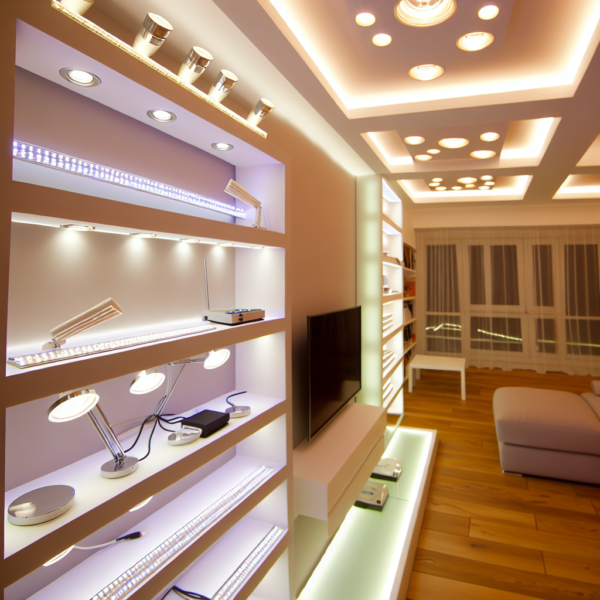
Consider adding linear pendants above kitchen islands, backlighting built-ins with flexible LED strips, or using edge-lit panel fixtures in a modern office. Wall grazing strips can emphasize brick or stone textures, adding sophisticated visual flair to feature walls.
By creatively integrating essential LED lighting into your interior or commercial design plan, you can enhance not just visibility but also mood, aesthetics, and even wellness—one fixture at a time.