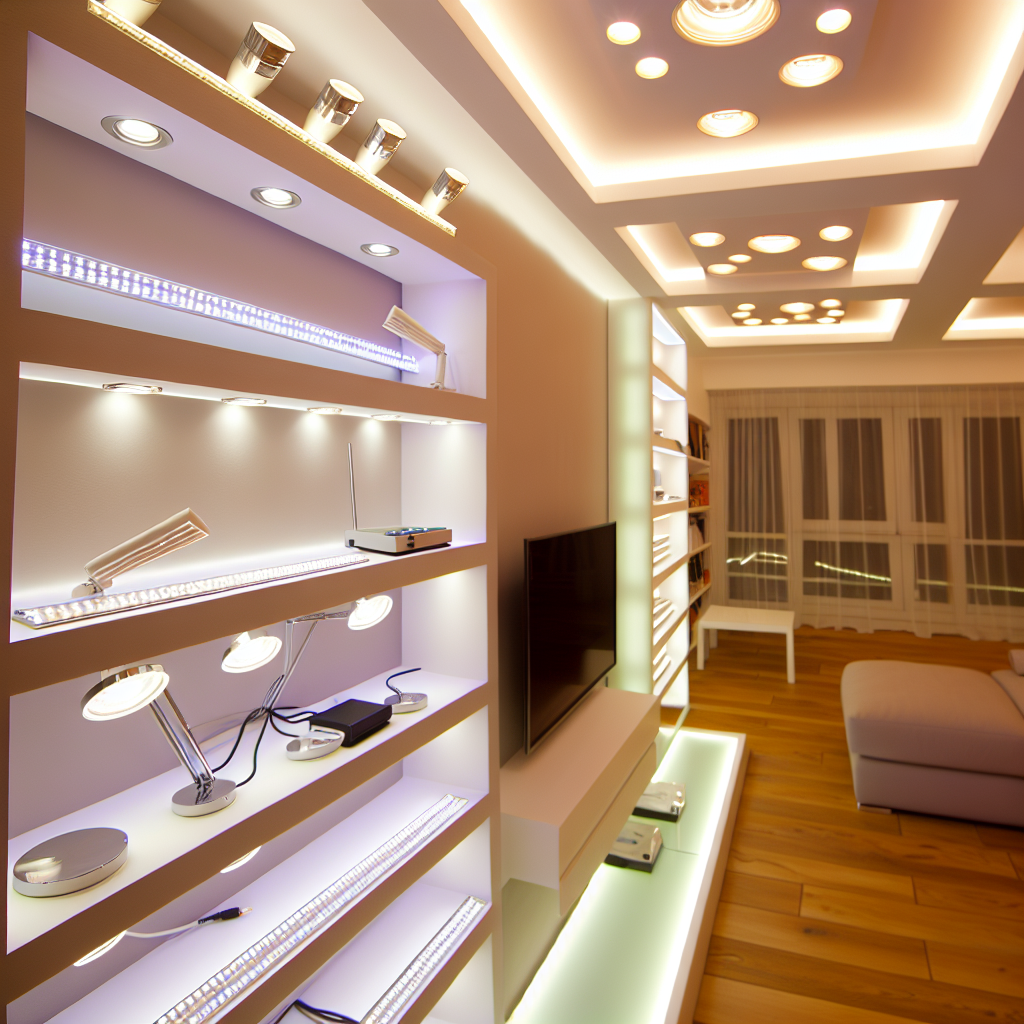
Indoor LED lights can completely transform your home environment—whether you’re designing a cozy living room, a bright kitchen, or a productive workspace. These modern lighting solutions are not only energy-efficient but also incredibly versatile. With technological advancements, there are now countless LED options to match various functions, moods, and interior design styles. Whether you’re building from the ground up or updating your existing lighting, understanding key features such as brightness (lumens), color temperature (Kelvin), dimmability, and smart functionality ensures a setup that’s stylish, effective, and energy-conscious.
Why Indoor LED Lights Are the Smart Choice
Compared to traditional incandescent or CFL lighting, indoor LED lights offer superior benefits. They consume up to 80% less electricity and last significantly longer—typically 15 to 25 times the lifespan of outdated bulbs. Most indoor LEDs deliver between 450 and 1600 lumens, covering needs from soft ambient lighting to bright task illumination.
LEDs emit minimal heat, reducing fire risk and helping maintain cooler room temperatures. Instant-on capability and a wide range of color temperatures—from warm 2700K tones to crisp 5000K daylight—allow you to tailor lighting to every room’s purpose. Many are dimmable, giving you even more mood and task control across your living spaces.
Modern indoor LED lights also lead in smart home integration. Many options now support voice assistants and app control via Wi-Fi or Bluetooth, making it simple to customize brightness, color, and schedules. Whether for home or commercial use, LEDs are the benchmark for performance, longevity, and intelligent lighting.
Best Types of Indoor LED Lights for Each Room
To get the most from your lighting design, choose LED types based on room size, ceiling height, and activities performed in each space. Below are popular indoor LED fixtures and their ideal applications:
- Recessed Downlights (Can Lights): Perfect for kitchens, bathrooms, and hallways. These fixtures offer clean, integrated aesthetics. Look for models with 800+ lumens and wide 90°–120° beam angles for balanced illumination.
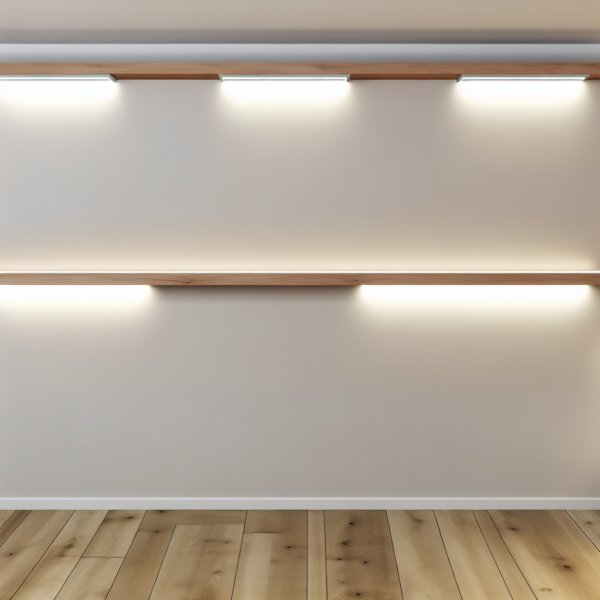
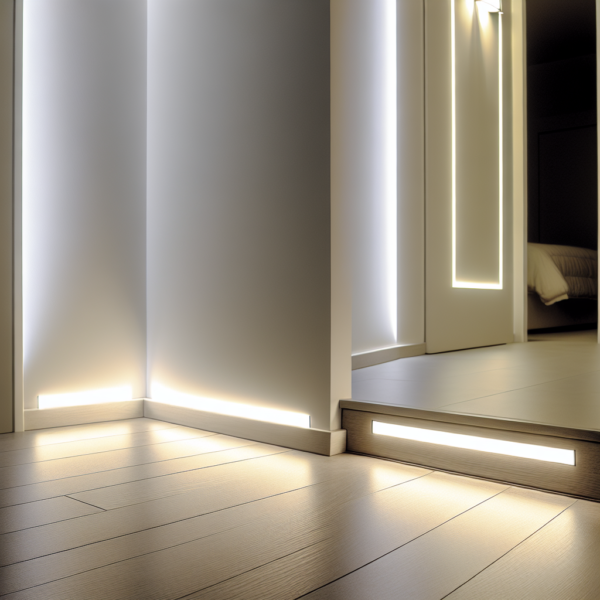
- LED Strip Lights: Ideal for under-cabinet lighting, stairways, or accenting shelves. Choose 3000K–4000K options for a soft yet functional feel. Adhesive backing makes them easy to install.
- Flush and Semi-Flush Mount Fixtures: Suited for spaces with low ceilings like bedrooms or laundry rooms. Modern LED ceiling fixtures offer ample brightness without taking up visual space.
- Track Lighting: Enables focused lighting—great for showcasing artwork, lighting kitchen counters, or highlighting retail areas. Use heads with 600–1000 lumens each for task lighting.
- LED Pendant Lights: Combine style with function over kitchen islands or dining areas. Choose dimmable options with warm 2700K–3000K tones for ambiance.
- Desk and Floor Lamps: Excellent for reading nooks or offices. Opt for 5000K daylight bulbs to reduce eye strain while boosting concentration.
Evaluate each room’s specific lighting needs. For example, open-concept living rooms with vaulted ceilings may require a mix of recessed cannisters, LED strip accents, and floor lamps to layer light effectively.
Smart Indoor LED Lights for Connected Convenience
Indoor LED lights with smart features give homeowners next-level flexibility. These connected LEDs let you automate routines, shift color palettes, and even sync lighting to your favorite playlists—all through apps or voice-controlled assistants like Alexa, Google Assistant, and Siri.
Top-rated smart lighting systems include Philips Hue, LIFX, and TP-Link Kasa. These products are available as bulbs, strip lights, and full fixtures. Many smart LEDs offer millions of color options and support adjustable white temperatures to match your circadian rhythm—warm hues in the evening and bright daylight in the morning.
Most smart lights are easy to install—often as simple as replacing a bulb and connecting to Wi-Fi. Advanced features include group controls, geofencing, customizable scenes, and integration with security systems or door locks. For custom builds, consider smart-integrated downlights or LED cans with native connectivity.
Save Energy and Money with LED Efficiency
Saving on energy bills is a major incentive for switching to indoor LED lights. A standard 10-watt LED can replace a 60-watt incandescent, saving approximately $75 over the bulb’s lifetime. Across multiple rooms and fixtures, these savings quickly add up.
Look for Energy Star–certified LED products to ensure efficiency and performance. Often, local utility companies offer rebates when upgrading to LED lighting—sometimes offsetting up to 50% of the installation cost.
LEDs are a must-have for high-use areas like home offices, stairwells, basements, and large commercial facilities. Businesses with 24/7 lighting see especially high returns on investment when adopting LED panel and tube replacements.
The Key Specs: Brightness, Temperature, and CRI
Selecting the right technical specifications is essential when choosing indoor LED lights. Here’s what to consider:
- Lumens (Brightness): Aim for 800–1000 lumens for general lighting. For close-up tasks like reading or cooking, go higher—1200–1600 lumens works best.
- Kelvin (Color Temperature): Use 2700K–3000K for cozy spaces like bedrooms or dens. Choose 3500K–4000K for neutrally lit areas, and go with 5000K+ to stimulate alertness in work zones or laundry rooms.
- CRI (Color Rendering Index): A CRI of 90+ is ideal where color accuracy matters—such as kitchens, art studios, and closets.
- Beam Angle: Wide beams (90°–120°) evenly light a room, while narrow beams (30°–60°) are better for focused spot lighting or accents.
For truly versatile designs, layer lighting with a mix of color temperatures and fixtures. In a kitchen, for example, you might combine 4000K recessed fixtures with 3000K under-cabinet strips and 2700K pendant lights for a well-rounded setup.
Installation and Safety Tips for Indoor LEDs
Most indoor LED lights are easy to install, especially for bulb-only replacements. For hardwired fixtures, ensure your circuit breakers are off before getting started. Taking simple precautions will enhance both safety and performance.
Keep these tips in mind:
- Choose LED-compatible dimmers: Mismatched dimmers may cause flickering. Look for dimmer switches marked as “LED-ready.”
- Secure fixture mounting: Ensure your junction boxes are properly rated to support the fixture’s weight, especially with flush mounts.
- Mind fixture ventilation: LEDs stay cool, but enclosed spaces without airflow can shorten lifespan. Use labeled “enclosure-rated” LEDs when needed.
- Optimize Wi-Fi signal strength: Place your smart lighting hub within 15 feet of your router during setup to ensure seamless connectivity.
For large-scale projects or smart lighting installations throughout the whole home, working with a licensed electrician or lighting designer ensures compatibility, safety, and room-to-room consistency.
Adapting Indoor Lighting Throughout the Year
One advantage of indoor LED lights is their seasonal flexibility. During dark winter months, use higher-lumen daylight LEDs (5000K) in work-focused spaces like kitchens and home offices. In brighter months, shift to dimmable warm-toned lighting to reflect the natural ambiance outside.
Smart LED systems make seasonal adjustments simple. Set schedules based on sunrise and sunset, program relaxing hues for nighttime, or brighten your home in the early morning to boost energy. You can also set fun color schemes with RGB options during holidays or special occasions.
With the right setup, indoor LED lights help you create a dynamic environment that adjusts to your lifestyle and enhances comfort, productivity, and sustainability all year long.