
LED lighting has redefined the standard for energy-efficient illumination. By producing high-intensity light with far less energy consumption than incandescent or fluorescent bulbs, LEDs have become the leading choice for residential, commercial, and industrial applications. But with this innovation comes a new challenge: managing heat—not from the light source, but from the electronics that power […]
Blog
Understanding LED Thermal Management: Why It’s Critical for Performance and Lifespan
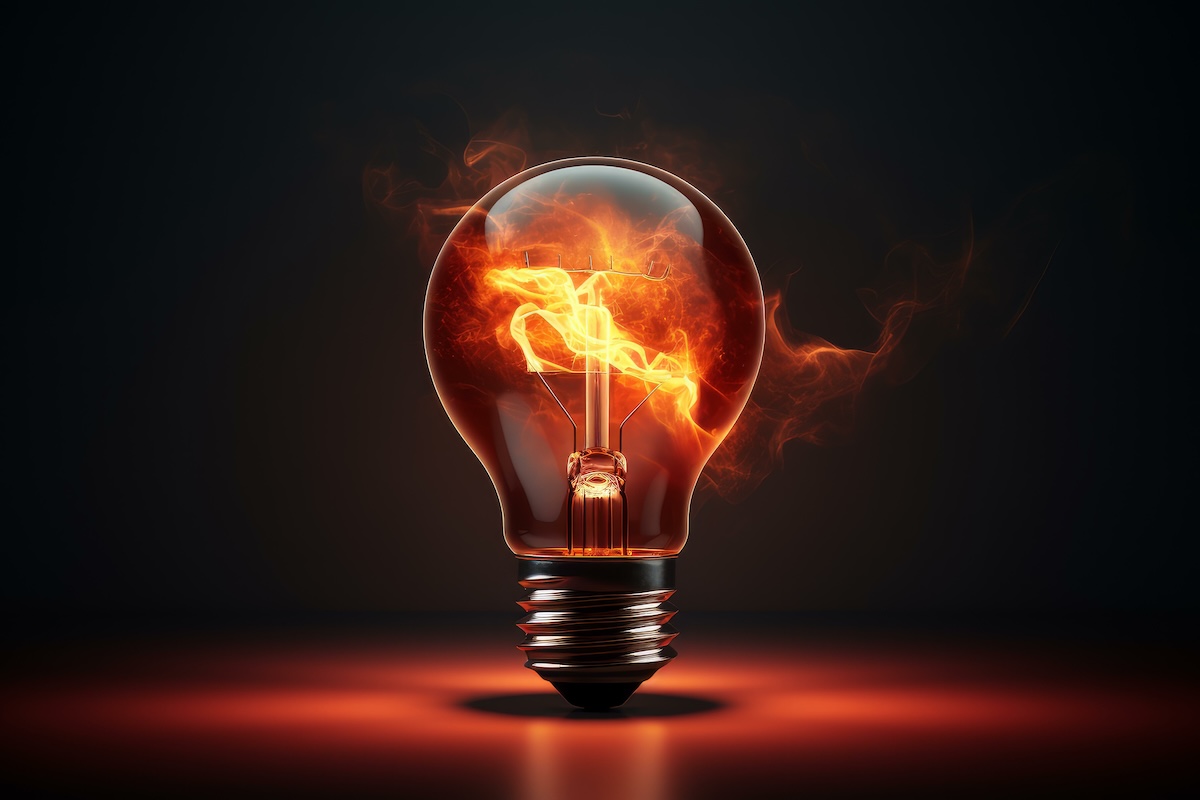
LED lighting has revolutionized the world of artificial illumination by offering greater energy efficiency, longer lifespan, and superior performance compared to legacy technologies like incandescent and fluorescent bulbs. But while LEDs are celebrated for being cool to the touch and energy-efficient, they still produce heat—just in different ways than their predecessors. Managing this heat effectively […]
Adjusting Street Lighting to Accommodate the AMA’s Health Concerns
A recent study published by the American Medical Association (AMA) might have dimmed the ardor of municipalities that have been considering retrofitting their street lighting to LED systems. The AMA has specifically cautioned that because of their brightness, LED lights create more glare that leads to eyestrain and fatigue. Further, the Association has cautioned that […]
The Slow Death of Metal Halide Lights
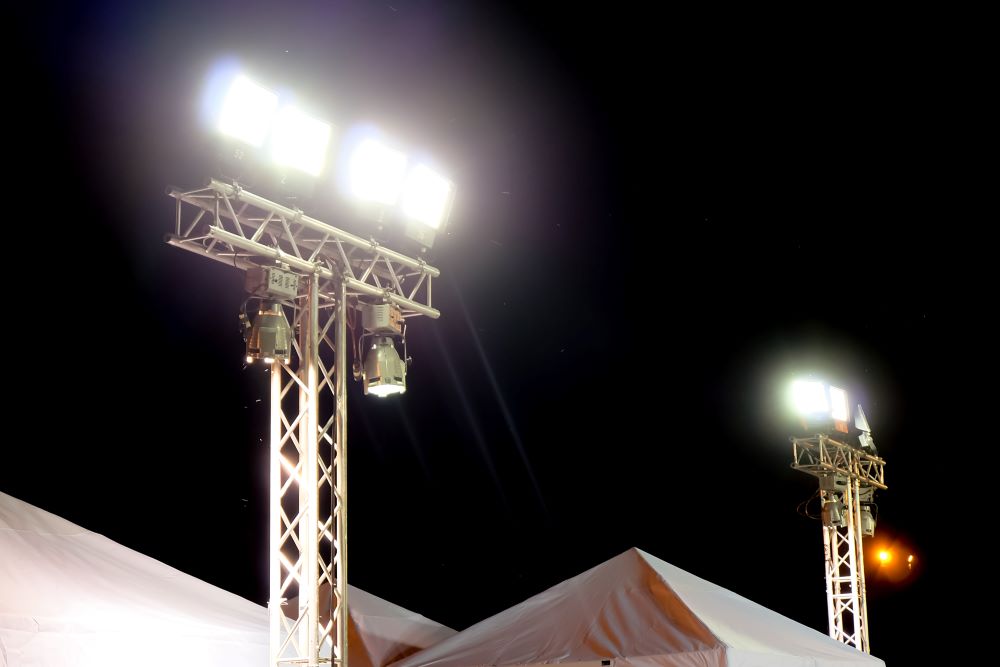
Metal halide lights have been the de facto standard for illumination of outdoor and large indoor spaces for more than fifty years. Sports arenas, in particular, have relied on metal halide and similar technology to illuminate playing fields and arenas, but as that technology has aged, the operators of those facilities are seeing its drawbacks. […]
How TV Broadcast LED Lighting is Revolutionizing the Viewing Experience
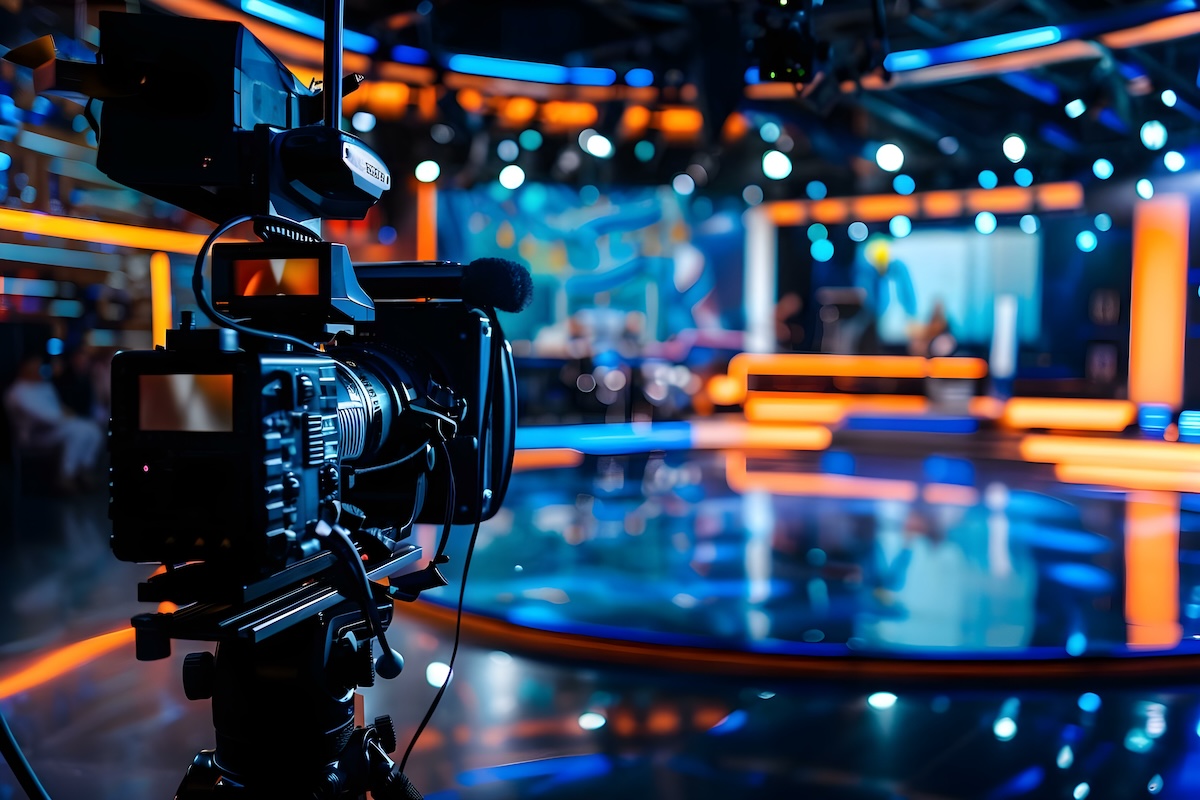
In the era of high-definition and ultra-high-definition broadcasting, the visual quality of television content has never been more important. As cameras, screens, and broadcast technologies continue to evolve, one critical behind-the-scenes upgrade has transformed the look and feel of live broadcasts: TV broadcast LED lighting. From stadiums and studios to remote event locations, broadcasters are […]
LED Lighting for Department of Transportation Compliance
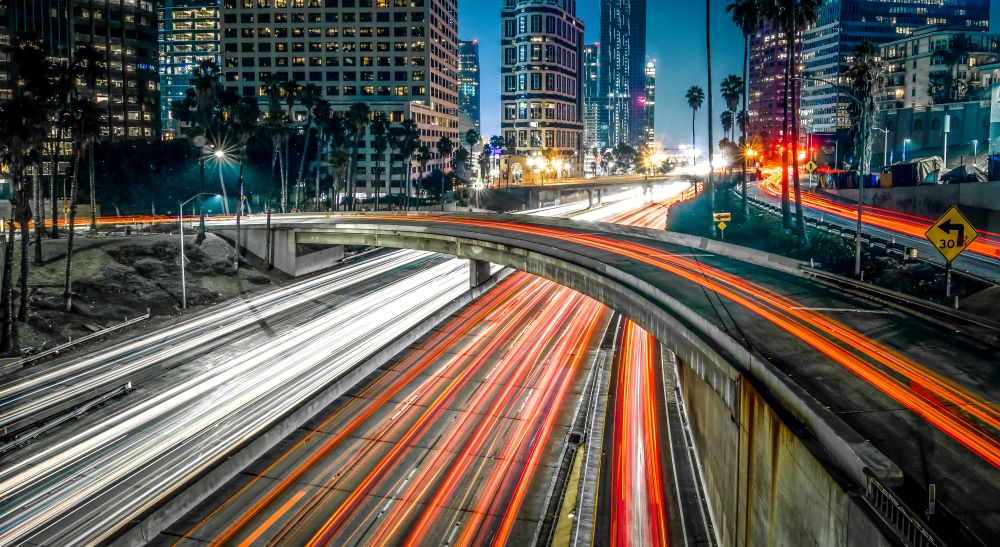
The United States Department of Transportation’s (DOT) lighting standards for commercial traffic and other motor vehicles place a priority on safety to ensure transportation compliance. For example, Standard 108 under Part 571 of the Federal Motor Vehicle Safety Standards and Regulations, which addresses vehicle lighting, states that its purpose is to “reduce traffic crashes and […]
Museums are Using LED Technology to Preserve Paintings

Museums and galleries around the world are increasingly using LED technology to preserve paintings, protect their priceless collections, and elevate the viewing experience for visitors. Among the pioneers in this movement is Germany’s historic Aachen Cathedral. In 2015, the cathedral—home to centuries-old artwork and the tomb of Charlemagne—made the strategic switch to LED lighting to […]
Assessing the Strengths of LED Lighting for Hazardous Environments

Hazardous environments demand the highest level of safety, performance, and reliability—especially when it comes to lighting. Whether in oil refineries, chemical processing plants, wastewater facilities, or grain silos, these locations contain flammable gases, combustible dusts, or explosive vapors that pose serious risks. In these settings, traditional lighting technologies are often inadequate or even dangerous. Enter […]
Three Reasons the Oil and Gas Industry is Turning to LED Industrial Lighting Fixtures
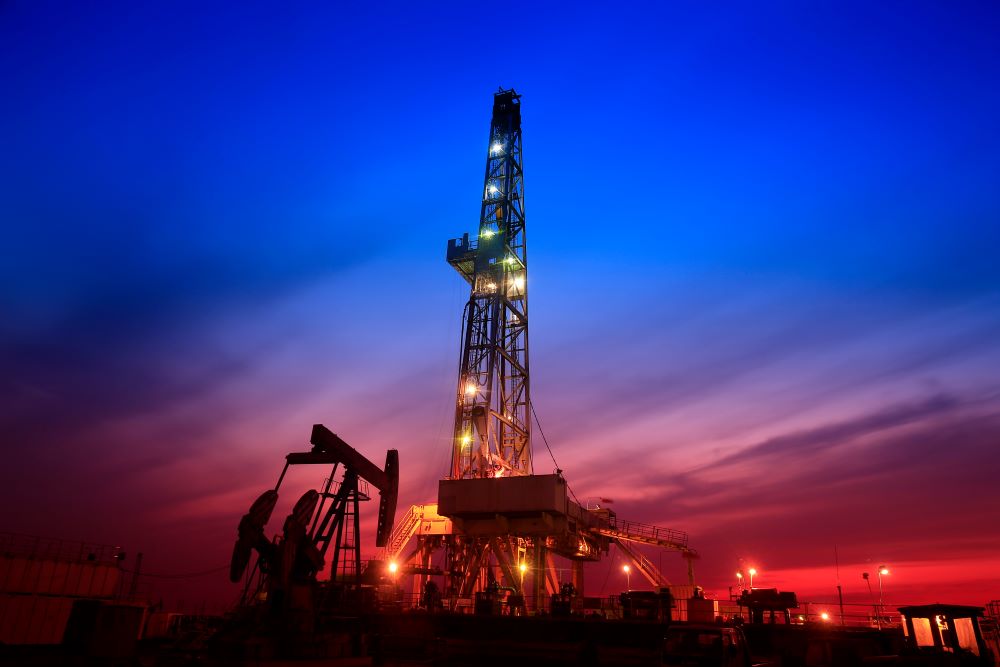
The oil and gas industry is turning to LED lighting not just as a modern upgrade—but as a strategic investment. In an era marked by volatile energy prices, environmental scrutiny, and increasing operational demands, oil and gas companies are adopting LED industrial lighting fixtures to improve efficiency, safety, and long-term profitability. While energy production remains […]
Designing Class I Hazardous Lighting Fixtures

In high-risk industrial settings—where flammable gases, vapors, or liquids may be present—the right lighting isn’t just about visibility, it’s a matter of safety. That’s why Class I Hazardous Lighting Fixtures are subject to some of the most stringent design and engineering requirements in the lighting industry. Defined by the Occupational Safety and Health Administration (OSHA) […]
Recent Posts
Top LED Lighting Picks for RV Campers
April 6, 2026
Stunning LED Cove Lighting Ideas for Any Room
March 30, 2026
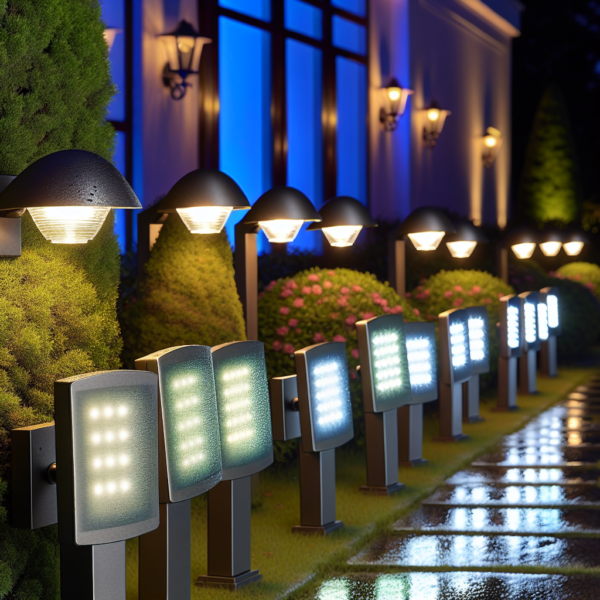
Outdoor LED Lighting: IP Ratings and Weatherproof Solutions
March 16, 2026