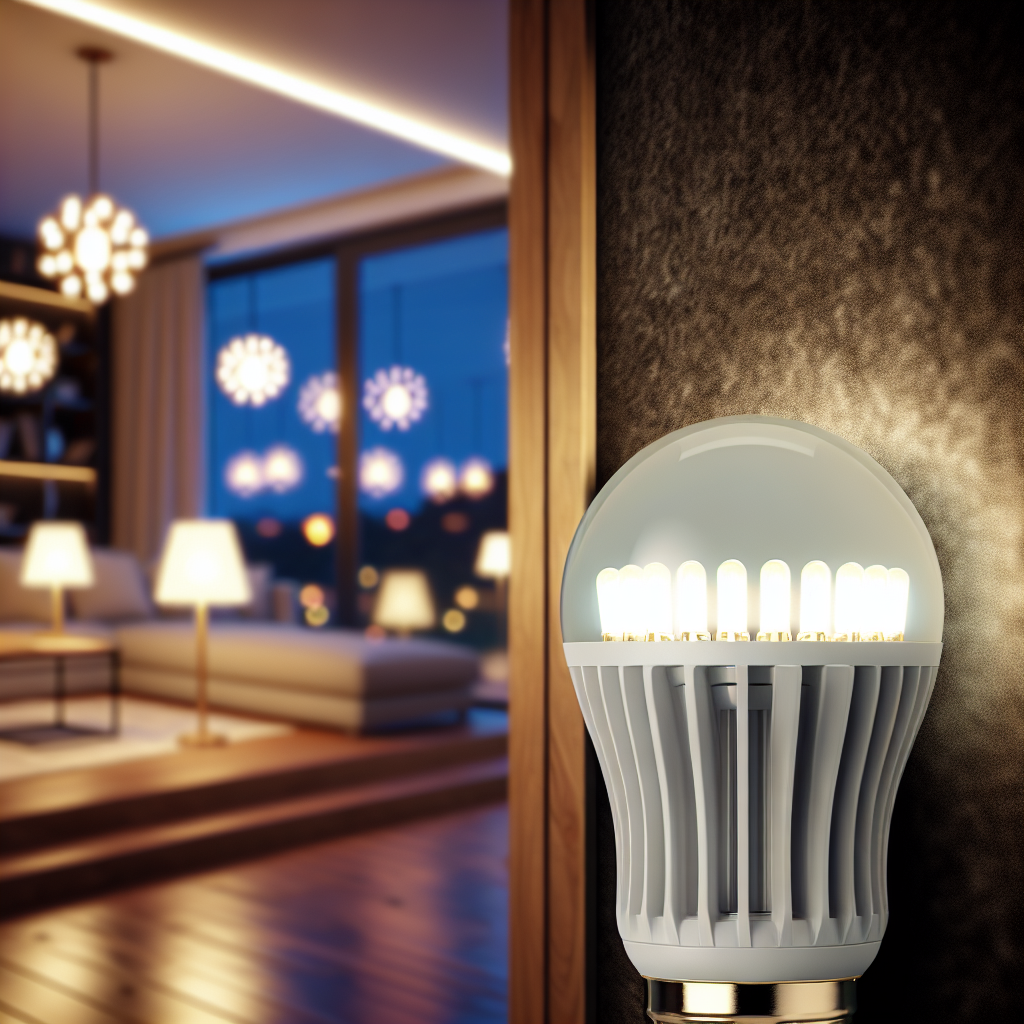
LED Energy Savings: A Bright Idea for Homes, Hotels, and Adventurers
LED energy savings are reshaping how homes, hotels, and travelers reduce their carbon footprint while cutting utility costs. Whether you’re a family budgeting at home, a digital nomad lodging in eco-certified spaces, or an explorer trekking through national parks, switching to LED lighting is one of the easiest and most effective energy-saving upgrades available today.
From cozy cabins in Colorado to beachfront hostels in Bali, adopting LED solutions has illuminated both sustainability and long-term savings. This guide explores the practical benefits of LED lighting, shares real-life examples, and offers tips you can put to use wherever your journey takes you.
How LED Energy Savings Work
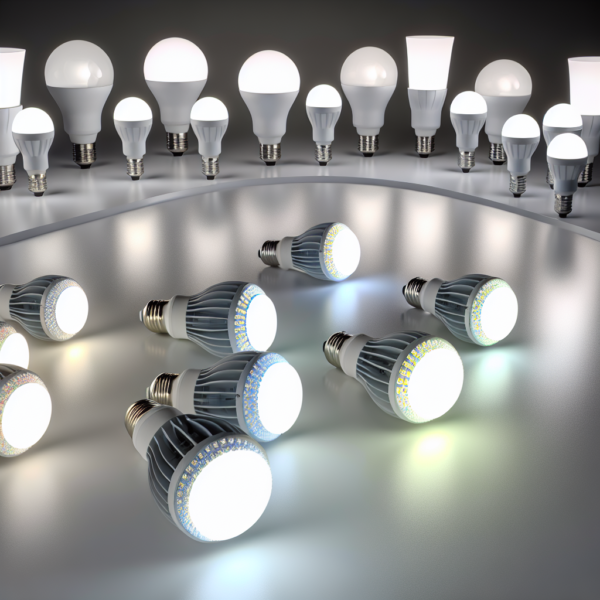
LEDs—light-emitting diodes—are far more efficient than incandescent bulbs, converting up to 90% of their energy into light versus just 10% for traditional bulbs. This dramatic increase in efficiency means lower electricity use and significantly less wasted heat, especially helpful in warmer climates where cooling costs stack up.
Replacing a 60-watt incandescent bulb with a 10-watt LED can reduce energy consumption by up to 85%. In a home with 30 such fixtures, that can translate into hundreds of dollars saved annually. For travelers booking extended stays or hopping between vacation rentals, properties that highlight LED energy savings often offer better reliability and fewer maintenance interruptions.
In high-energy-use environments like Las Vegas, LED lighting has made a tremendous impact. Take the MGM Grand, which cut its lighting costs by over 60% annually after converting thousands of bulbs. For conscious travelers, selecting hotels and lodgings that emphasize LED upgrades is a smart way to support sustainability and enjoy a potentially more affordable stay.
Bringing LED Energy Savings Into the Great Outdoors
LED energy savings aren’t just for interiors—they extend to every corner of your outdoor experiences. On a road trip through Zion National Park or stargazing in Sedona, LEDs enhance visibility while minimizing energy consumption, making adventuring both efficient and eco-friendly.
Lightweight LED lanterns can last through multi-night hikes on a single battery charge. Solar-powered string lights and LED headlamps help campers travel light and use fewer resources. These devices are more durable than their fragile glass counterparts, with impacts and rough travel posing little risk of damage.
Pro tip: For nighttime hikers in dark-sky destinations like Sedona, red-filtered LED headlamps help maintain night vision while reducing wildlife disruption. It’s a low-impact, high-reward addition to your travel kit—and another example of how LED energy savings intersect with sustainable tourism.
Historic Landmarks Glow with LED Energy Savings
LED energy savings are now helping preserve cultural heritage. Iconic sites like the Acropolis and Rome’s Colosseum use LED lighting to reduce electricity demands and decrease light pollution during nighttime displays—all while elevating the visual experience for visitors.
Charleston, South Carolina, demonstrates how modernization can respect tradition. Historic street lamps retain their antique look while glowing with efficient LEDs, improving walkability and lowering municipal maintenance costs. Similarly, Japan’s Kiyomizu-dera Temple uses seasonal LED spotlights that cut electricity usage while creating an enchanting atmosphere for travelers year-round.
Planning a trip to a UNESCO site? Look for mentions of LED improvements in green initiatives—many offer sustainability-focused tours where tech meets tradition, making LED lighting upgrades part of both storytelling and environmental preservation.
Hidden Gems Embracing LED Innovation
Communities worldwide embrace LED energy savings in creative, tourist-friendly ways. In Asheville, North Carolina, artists in the River Arts District retrofit studios with LED bulbs to protect artwork and reduce glare—perfect for visitors exploring galleries on foot.
Over in Copenhagen, motion-activated LEDs along the city’s waterfront trails enhance nighttime safety without compromising dark-sky integrity. A must-see for families is Superkilen Park, where interactive LED installations offer engaging light displays with low energy usage.
In Alaska, the Fairbanks Ice Museum illuminates delicate sculptures with colorful LEDs. These lights minimize heat output, preventing premature melting and saving thousands annually in energy expenses. Whether you’re traveling to icy regions or vibrant art districts, LED upgrades are making experiences more sustainable without dimming the thrill.
Travel Light and Bright with LED Gear
Want to bring LED energy savings into your everyday travel? Equip your backpack or suitcase with rechargeable LED flashlights or solar-charged lanterns. These are ideal for sunrise climbs at Machu Picchu or glacier hikes in Iceland.
When booking hotels, filter your search for accommodations with energy-conscious certifications like LEED or Green Key. Many places in Costa Rica and northern Scandinavia feature motion-sensor LED systems to cut consumption while maintaining comfort—and these savings may trickle down to nightly rates.
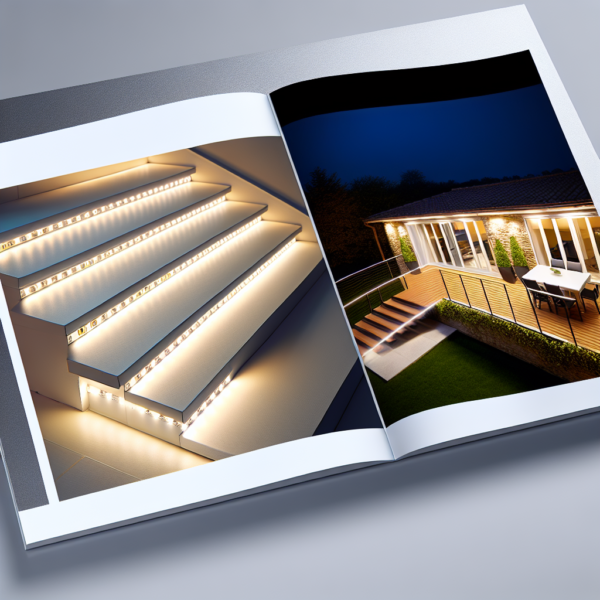
Families exploring in RVs or campervans can install LED strip lighting to cut electricity use, preserving battery life on the road. Locations like Glacier National Park or the Lofoten Islands become even more accessible with the right low-energy lighting gear on hand.
Looking for a unique souvenir? In Lake Atitlán, Guatemala, local artisans sell handcrafted lanterns equipped with LED bulbs. These pieces combine tradition and tech, offering greater longevity with lower environmental impact.
Lighting the Way Forward
LED energy savings are more than a home improvement trend—they’re a global movement promoting sustainability, durability, and environmental respect. From ancient ruins to trendy city parks, from remote trails to urban art studios, LEDs are shaping how we see the world.
As a traveler, homeowner, or outdoor enthusiast, every LED bulb you install or seek out helps build a cleaner future. So the next time you pack your bag or pick out a porch light, remember: smart lighting means brighter choices—for you and the planet.