Baseboard LED lighting is rapidly emerging as a defining feature in modern interior design. Installed along the bottom edge of walls, it delivers seamless, ambient illumination that enhances both residential and commercial environments. From upgrading home hallways to adding elegance in luxury hotels, baseboard LED lighting offers exceptional versatility, aesthetic value, and energy efficiency. This guide covers installation tips, design strategies, and smart integrations to help you maximize the impact of this sleek lighting solution.
What Is Baseboard LED Lighting?
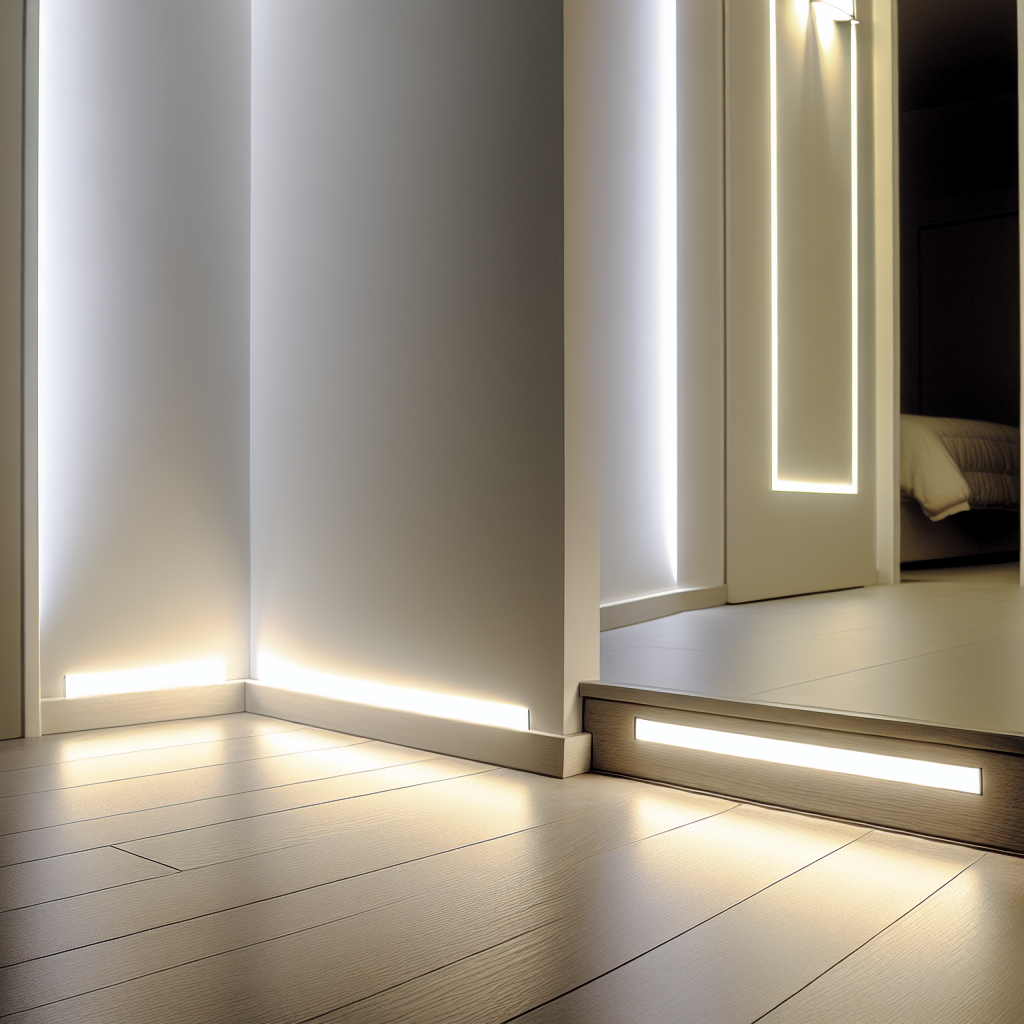
Baseboard LED lighting refers to subtle, low-profile LED strip lights or fixtures positioned along wall baseboards. Unlike traditional overhead lighting, these lights emit soft, indirect illumination—typically directed toward the floor—creating a contemporary look. Their minimal footprint makes them ideal for modern and minimalist spaces.
Common applications include hallways, bedrooms, staircases, and bathrooms in homes, as well as theaters, hotels, and art galleries in commercial settings. The light disperses gently across surfaces, enhancing navigation without overwhelming primary light sources like task or accent lighting.
Today’s systems often feature LED strips with color temperatures between 2700K and 5000K+, delivering 250 to over 1000 lumens per meter. With power ratings between 4W and 12W per foot, baseboard LED lighting effectively balances ambient lighting with impressive energy savings.
Why Choose Baseboard LED Lighting?
This lighting approach offers numerous advantages over traditional fixtures:
- Energy Efficiency: LED technology reduces electricity use by up to 75% and lasts up to 50,000 hours, minimizing replacement and maintenance.
- Aesthetic Appeal: Create floating wall effects, subtle glows, and clean architectural lines with minimal visual distraction.
- Enhanced Safety: Perfect for guiding movement along stairs and hallways at night without harsh glare.
- Design Flexibility: Available in various outputs, finishes, and color temperatures, including RGB and tunable white versions for mood lighting.
- Smart Integration: Many baseboard LED lighting systems work with Alexa, Google Assistant, and HomeKit for voice or app-based control.
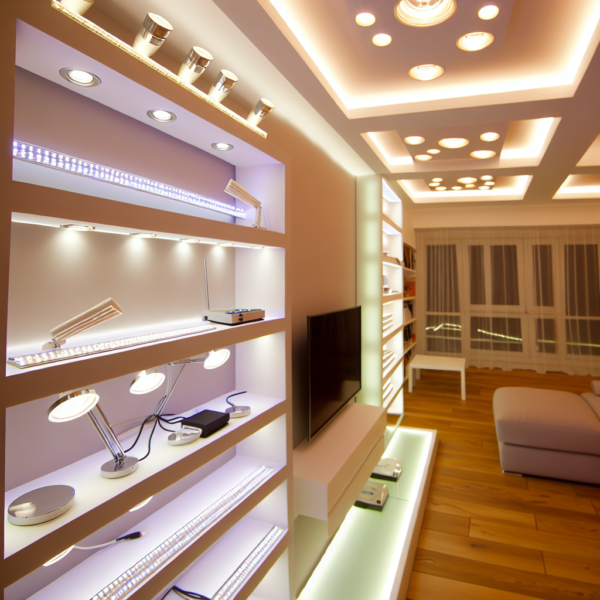
For example, installing 3000K warm-white LED strips along baseboards complements under-cabinet lights and ceiling coves for beautifully layered illumination in a modern living space.
Installation Options for Baseboard LED Lighting
There are two main methods for installing baseboard LED lighting, each suited to different project types.
1. Surface-Mounted LED Strip Lights
These flexible strips are usually adhesive-backed and easy to install with mounting clips or aluminum channels. This DIY-friendly method is ideal for retrofits or temporary applications. Diffusers help soften the lighting and hide individual diodes.
For instance, a 12V or 24V strip producing 450–800 lumens per meter delivers ample brightness for nighttime navigation. Use waterproof-rated strips (IP65+) in bathrooms or basements to protect against moisture damage.
2. Integrated Baseboard Lighting Fixtures
Integrated fixtures serve as both a baseboard and a light source. These systems, offered by brands such as Klus Design and Diode LED, offer a seamless appearance and are typically installed in new construction or high-end renovations.
Installation involves recessing the fixture into drywall and connecting it to remote dimmable drivers. In commercial applications like hotel suites, integrated baseboard systems enhance both visual style and nighttime safety.
How to Choose the Best Components
To get the best performance from your baseboard LED lighting system, consider the following:
- LED Type: Select white LEDs (300–500 lumens per foot), high-CRI for color accuracy, or RGB/RGBW for decorative effects.
- Color Temperature: Warm (2700K–3000K) for cozy settings; cooler (4000K–5000K) for clean, modern designs.
- Channels and Diffusers: Use aluminum channels with frosted lenses to evenly diffuse light and protect the strips.
- Power Supply: Choose drivers that match voltage needs and support dimming with 0–10V, TRIAC, or DALI controls.
- Smart Capability: Integrate Zigbee or Wi-Fi controllers with voice platforms like Alexa, Google Assistant, or Apple HomeKit.
For smart applications, brands like Philips Hue, Govee, and Lutron Caséta offer Wi-Fi-enabled systems. For commercial uses, explore professional-grade options from Magnitude Lighting featuring scalable DMX control.
Smart Home Integration
With smart baseboard LED lighting systems, you can automate and personalize lighting experiences. Motion sensors can activate path lighting for safety at night, while scheduling allows lights to follow natural circadian rhythms.
Using an app, adjust brightness and color according to the time of day or activity. In a media room, dim the lights to 10% for movie watching and restore them to full brightness for cleaning. RGB baseboard lighting can also sync with other smart home elements, creating unified ambiance in entertainment zones or gaming setups.
Cost and Return on Investment
Although the upfront cost varies, baseboard LED lighting delivers value in both energy savings and improved aesthetics:
- DIY strips with accessories: $60–$150 per 16 feet, including channels and a power supply.
- Professional-grade systems: $25–$45 per linear foot installed. Full-home systems may range $2,000–$5,000.
Thanks to energy reductions of up to 80% and product lifespans of over a decade, baseboard LED lighting offers long-term savings. In commercial buildings, it also reduces maintenance and ensures enhanced ADA compliance through improved path visibility.
Safety and Performance Essentials
To ensure reliable and safe installations, follow these guidelines:
- Use UL or ETL-certified components for permanent wiring.
- Ensure power supplies are cooling-optimized and rated for continuous operation.
- Select flicker-free drivers for sensitive areas like nurseries or offices.
- Install GFCI outlets in wet zones such as bathrooms or kitchens.
- Employ under-voltage protection to safeguard LED longevity.
When lighting staircases, baseboard LEDs boost visibility for kids and older adults. Outdoor applications, like patios, benefit from IP67 waterproofing and UV-resistant casing for consistent performance over time.
Design Ideas and Inspiration
Looking for creative ways to use baseboard LED lighting? Here are some suggestions:
- Hallways: Pair motion-activated warm-white LED strips with dimmers to illuminate paths without disturbing sleepers.
- Bathrooms: Add toe-kick or under-vanity lighting with IP-rated strips for a spa-like feel.
- Stairs: Install light along risers or horizontal baseboards to highlight steps and prevent missteps.
- Bedrooms: Use dimmable lighting along perimeter baseboards to create a cozy, modern retreat.
- Retail or offices: Emphasize brand style with integrated, color-controlled LED baseboards in lobbies or walkways.
Bring Your Space to Life with Baseboard LED Lighting
Baseboard LED lighting combines form, function, and flexibility in ways few lighting solutions can. Whether you’re designing a smart home or elevating a commercial interior, this lighting method delivers long-term value and style. With thoughtful planning, energy-efficient components, and the right smart home integrations, your baseboard LED system will set the tone for sleek, modern living.