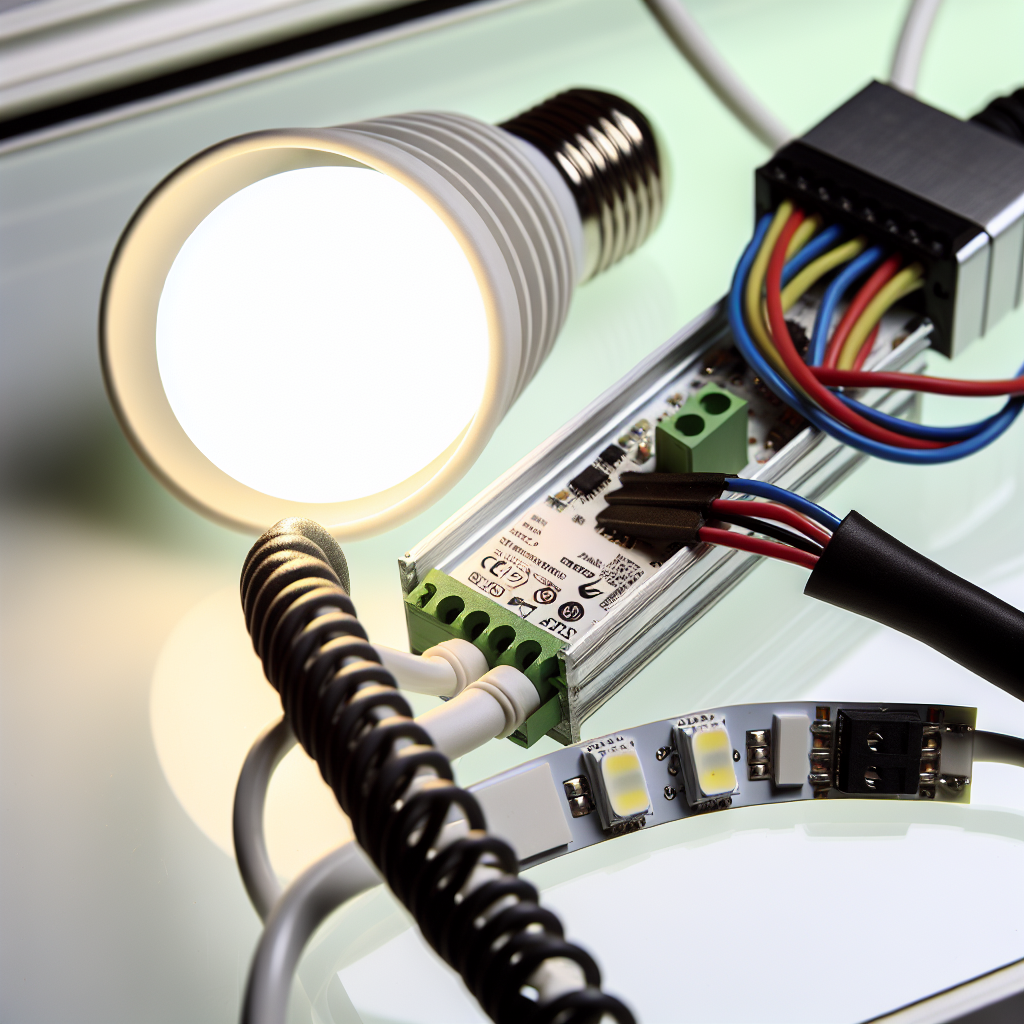
Understanding LED drivers is essential for anyone planning reliable, efficient lighting—whether for residential, commercial, or industrial spaces. At the heart of every long-lasting LED system lies a driver that regulates power, supports smart controls, and protects your lighting investment. From ceiling retrofits to large-scale architectural installations, selecting the right driver enhances performance, reduces energy consumption, and ensures lighting responds precisely the way you need.
What Is an LED Driver and Why Is It Important?
An LED driver is a power regulator that converts high-voltage AC (typically 120V or 240V) into low-voltage DC power needed by LEDs. Most LEDs require a specific voltage range—commonly 2V to 48V DC—depending on the setup. Without proper current regulation, LEDs can overheat or fail prematurely.
There are two primary types of drivers: constant current (CC) and constant voltage (CV). CC drivers deliver a stable current while adjusting voltage as needed, ideal for high-power LEDs or COBs. CV drivers provide a consistent voltage output—like 12V or 24V—making them popular for LED strips and modular systems.
A mismatched or low-quality driver can cause flickering, dimming interruptions, or early fixture failure. This applies to everything from residential recessed downlights to complex commercial lighting zones. Choosing the correct driver ensures lasting performance and compatibility with dimming controls, automation, and energy-efficient building strategies.
Key Performance Metrics: What to Look For in an LED Driver
Understanding LED drivers goes beyond matching wattages. Evaluate the following factors carefully:
- Output Type: Choose constant current for COBs or modules (e.g., 700mA, 1050mA) and constant voltage for LED strips (12V, 24V).
- Wattage Load: Keep connected LED wattage at 80–90% of the driver’s max. A 60W driver powers up to 54W reliably.
- Dimmability: Confirm compatibility with control types: TRIAC, ELV, 0-10V, DALI, or Zigbee. Not all drivers dim seamlessly.
- Power Factor: A rating above 0.9 ensures electrical efficiency and minimizes interference.
- IP Rating: For outdoor or damp use, select IP65 or higher. This is especially vital for gardens, patios, and bathroom zones.
- Certifications: UL, ETL, CE, and RoHS certifications ensure safety and compliance with regional standards.
For example, dimmable recessed fixtures at 13W each in a living room may require a 700mA constant current TRIAC-compatible driver rated for at least 60W total. Outdoor lighting applications, on the other hand, benefit from IP67 constant voltage drivers powering long lengths of waterproof strip lighting.
Efficiency also influences longevity. Drivers with 90%+ efficiency reduce heat buildup inside ceiling or wall cavities—improving fixture durability and maintaining optimal light output in constrained spaces.
LED Drivers and Smart Lighting Integration
The growing demand for smart homes and connected commercial buildings makes understanding LED drivers more important than ever. Modern lighting systems often require drivers that integrate with digital control protocols such as DALI, DMX512, Zigbee, Casambi, or Bluetooth Low Energy (BLE).
Homeowners using platforms like Lutron Caseta, Leviton Decora Smart, or Philips Hue must select drivers built to support those ecosystems. For example, tunable white LEDs controlled via mobile apps require drivers capable of managing color temperature shifts in real time. Similarly, RGBW LED strips or pixel-controlled landscape lighting needs compatible drivers with DMX or SPI inputs.
Always plan ahead—during the design or prewire stage—to align drivers with your chosen control method. This avoids installation setbacks, driver replacements, or costly rewiring later.
Installation Considerations and Best Practices
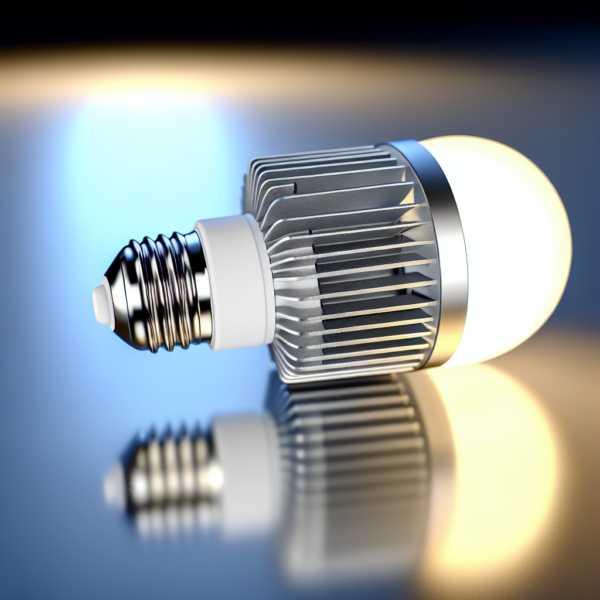
Proper installation not only prolongs LED lifespan but also ensures safety and performance. Many LED drivers are remote-mounted in accessible locations like control panels, utility closets, or ceiling joists. Others are integrated into retrofit bulbs or surface-mount fixtures.
For central driver setups, cable length can create voltage drop—especially in 12V constant voltage applications. Avoid exceeding manufacturer guidelines, usually about 20 feet for low-voltage systems. Upgrading to a 24V driver or using thicker gauge wiring (14 or 12 AWG) minimizes power loss and uneven brightness.
Installation best practices include:
- Match output type to fixture needs: constant current for COBs, constant voltage for strips.
- Don’t operate drivers without a connected load—it can damage internal circuits.
- Ensure heat dissipation by mounting drivers in ventilated enclosures or junction boxes.
- Inspect for heat discoloration or overheating within the first hours of operation.
In wet or humid zones such as showers, vanities, or exteriors, always use IP-rated drivers and mount them away from direct water spray. In high-output areas like garages or retail backrooms, increase spacing around driver housings to promote airflow and extend operating life.
Energy Efficiency, Longevity, and Cost Savings
Understanding LED drivers helps reduce both operational costs and environmental impact. Energy-efficient drivers—especially those used in commercial retrofits—can reach over 94% efficiency. When combined with dimming or daylight sensors, they drastically lower power use during inactive times.
In homes, quality drivers prevent flicker, maintain luminous consistency, and extend LED lifespans up to 50,000+ hours. That’s over 17 years at 8 hours per night. Conversely, using the wrong driver leads to inconsistent dimming, perceptible flickers, and premature failure—costing more in technician visits and replacements.
Driver pricing varies. Basic indoor constant current drivers can range from $15 to $45. Advanced tunable white or multi-channel DMX drivers may exceed $100. While this may seem high initially, the total lifetime value, longer LED life, and energy savings easily offset the cost.
Choosing the Right Driver for Your Application
Understanding LED drivers begins with analyzing your specific setup: fixture type, location, voltage, control system, and expected usage. Here are project-specific recommendations:
- Kitchen toe-kick lighting or under-cabinet strips: Use 12V constant voltage dimmable drivers with high-CRI tapes (4.8W/ft, 350 lumens/ft).
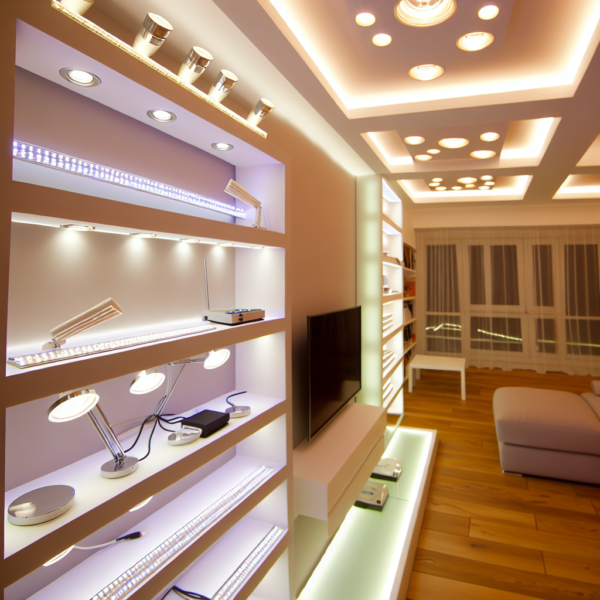
- Living room recessed lights (COBs): Select constant current dimmable drivers (700mA, 1050mA) compatible with ELV or TRIAC wall dimmers.
- Landscape lighting: Choose IP67 constant voltage 24V drivers for long runs; support in-ground or bollard fixtures at 800 lumens each.
- Retail shelving or signs: Use multiple constant voltage drivers with 0-10V or DMX control—ideal for programmable brightness or rotating displays.
Before ordering, always refer to manufacturer spec sheets—checking voltage, wattage range, dimmability, and control protocol compatibility. Reputable driver brands include Mean Well, Fulham, Osram, Lutron, and Inventronics, all offering robust warranties and performance specs.
Understanding LED drivers empowers you to build lighting systems that are not only energy-smart but also adaptable, safe, and beautifully consistent—now and for years to come.