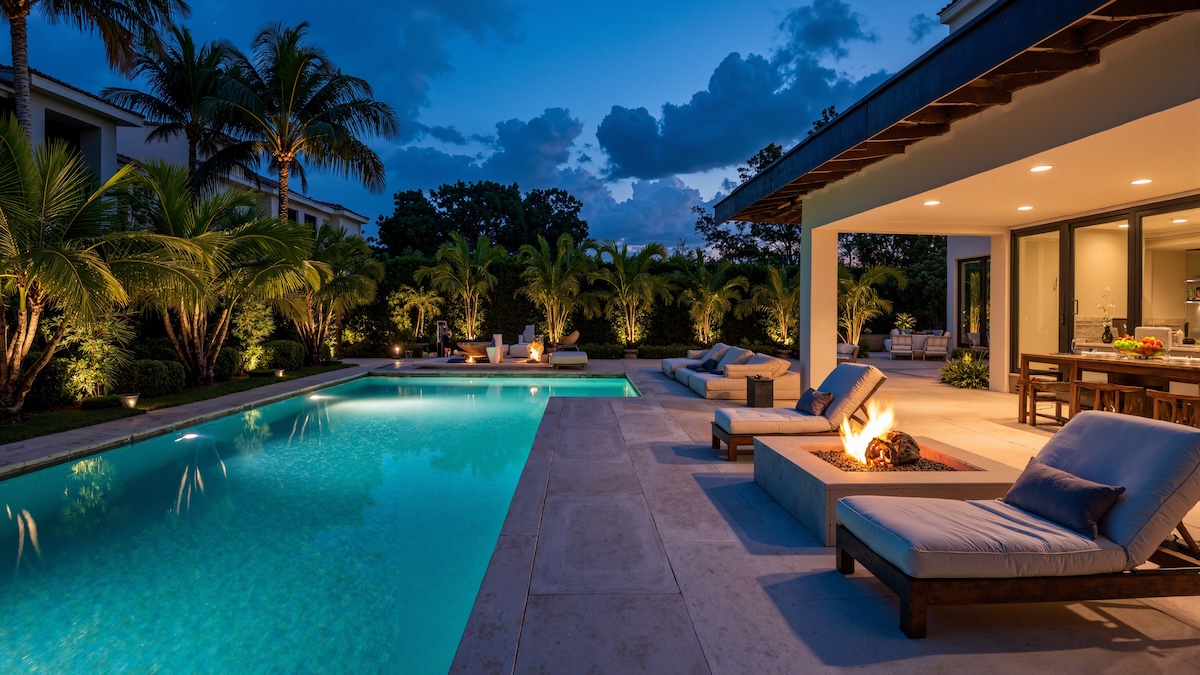
Outdoor spaces—from residential yards and gardens to commercial properties, pathways, and public parks—benefit greatly from well-planned lighting. Whether for safety, security, ambiance, or aesthetics, LED exterior lighting is now the preferred choice thanks to its energy efficiency, durability, and versatility.
In this article, we’ll explore the various types of LED outdoor lighting available today and share best practices for planning and installing exterior lighting that is both functional and visually appealing.
Why Choose LED Exterior Lighting?
LED (Light Emitting Diode) technology has transformed how we light outdoor spaces. Compared to traditional halogen, incandescent, or CFL options, LEDs offer several advantages:
-
Energy efficiency – LEDs use up to 80% less energy than traditional bulbs.
-
Long lifespan – Quality LED fixtures can last 25,000 to 50,000+ hours.
-
Low maintenance – Fewer replacements mean lower ongoing costs.
-
Durability – LEDs are resistant to shock, vibration, and weather elements.
-
Better light quality – LEDs offer higher brightness, better color rendering, and instant-on functionality.
Given these benefits, LED exterior lighting is ideal for long-term performance in environments exposed to moisture, temperature shifts, and frequent use.
Types of LED Exterior Lighting
Outdoor spaces serve many purposes—entertaining, navigating, securing, and decorating. The right LED lighting depends on your goals and layout. Here are the most common types of LED exterior lighting options:
1. Wall-Mounted Lights
Installed on exterior walls, these lights provide general or focused illumination for:
-
Entryways and porches
-
Patios and decks
-
Garage exteriors
Available in styles from sleek modern sconces to vintage lanterns, LED wall lights are a key element of both safety and style.
2. Floodlights and Security Lights
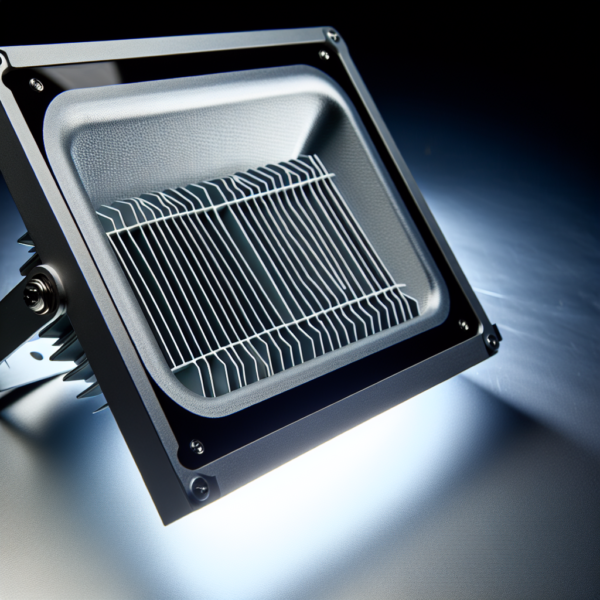
LED floodlights emit wide, powerful beams—ideal for:
-
Illuminating large areas like driveways, backyards, and parking lots
-
Increasing visibility and deterring intruders
-
Enhancing camera surveillance
Many LED floodlights feature motion sensors or dusk-to-dawn automation, adding convenience and energy savings.
3. Pathway and Bollard Lights
Pathway lights are mounted low to the ground and spaced along sidewalks or walkways. LED bollard lights are vertical fixtures that provide broader, architectural lighting for:
-
Garden paths
-
Driveways
-
Commercial walkways and courtyards
LED path lights improve safety and highlight landscape features.
4. Spotlights and Uplights
Spotlights deliver focused beams that can highlight:
-
Trees, sculptures, or architectural elements
-
Signage or address markers
-
Water features or flagpoles
Uplighting with LEDs can create dramatic visual interest in landscaping and building facades.
5. Deck and Step Lighting
For decks, stairways, and patios, embedded or surface-mounted LED lights provide subtle illumination to:
-
Prevent slips and falls
-
Enhance ambiance for nighttime entertaining
-
Define the edges of structures
Step lights are often installed into risers or side walls for discreet functionality.
6. String Lights and Decorative LEDs
Used for patios, fences, pergolas, or outdoor dining areas, decorative LED string lights:
-
Add charm and warmth to evening gatherings
-
Come in white or colored options
-
Use low voltage and often connect to solar or USB-powered sources
Modern LED string lights are durable, weatherproof, and available in many styles to suit any décor.
7. Solar-Powered LED Lights
For energy-conscious or off-grid applications, solar-powered LEDs are a popular option. Best for:
-
Path lights
-
Garden accents
-
Remote or hard-to-wire locations
Look for models with quality panels, sufficient battery life, and weather resistance for best results.
Best Practices for Using LED Exterior Lighting
Installing exterior lighting is about more than just placing a few fixtures around your property. To get the most out of your LED lights, consider the following best practices:
1. Start with a Lighting Plan
Evaluate your space and identify goals:
-
Where do you need light for safety or visibility?
-
What features do you want to highlight?
-
Which areas require ambient or functional lighting?
Sketch a rough layout before buying any fixtures.
2. Choose the Right Color Temperature
LEDs come in a range of color temperatures, typically measured in Kelvin (K):
-
2700K – 3000K: Warm white for cozy, welcoming spaces like porches and patios.
-
3500K – 4100K: Neutral white for landscape and general illumination.
-
5000K – 6500K: Cool white or daylight for security lighting and task areas.
Selecting consistent color temperatures ensures visual harmony across your outdoor space.
3. Use Layers of Light
A balanced outdoor lighting design includes:
-
Ambient lighting for general visibility
-
Accent lighting for highlighting key features
-
Task lighting for specific functions like grilling or reading
Layered lighting adds depth and flexibility.
4. Avoid Overlighting
Too much light can cause glare, waste energy, and create light pollution. Use beam angles, shields, and lower wattage LEDs where possible. Focus on targeted illumination rather than flooding entire areas unnecessarily.
5. Choose Durable, Weather-Resistant Fixtures
Make sure your LED exterior lighting is rated for outdoor use, ideally with:
-
IP65 or higher for protection against dust and rain
-
UV-stable materials for resistance to sun damage
-
Corrosion-resistant finishes in coastal or humid areas
Fixtures should be designed to withstand your specific climate and conditions.
6. Add Automation for Efficiency
Motion sensors, timers, and smart home integration help reduce energy waste and enhance convenience. Consider:
-
Motion-sensing lights for driveways or side yards
-
Photocell lights that activate at dusk and shut off at dawn
-
Smart LED systems you can control via app or voice assistant
Automation not only saves energy but can improve security when you’re away.
Lighting the Way with LED Exterior Lighting
LED technology has revolutionized the way we light our outdoor spaces. Whether you’re creating a warm, inviting backyard oasis or securing a commercial facility, LED exterior lighting offers a cost-effective, long-lasting, and visually powerful solution.
By selecting the right fixture types and following best practices in planning, placement, and control, you can enhance safety, boost curb appeal, and enjoy your exterior space well into the evening—all while saving on energy and maintenance for years to come.