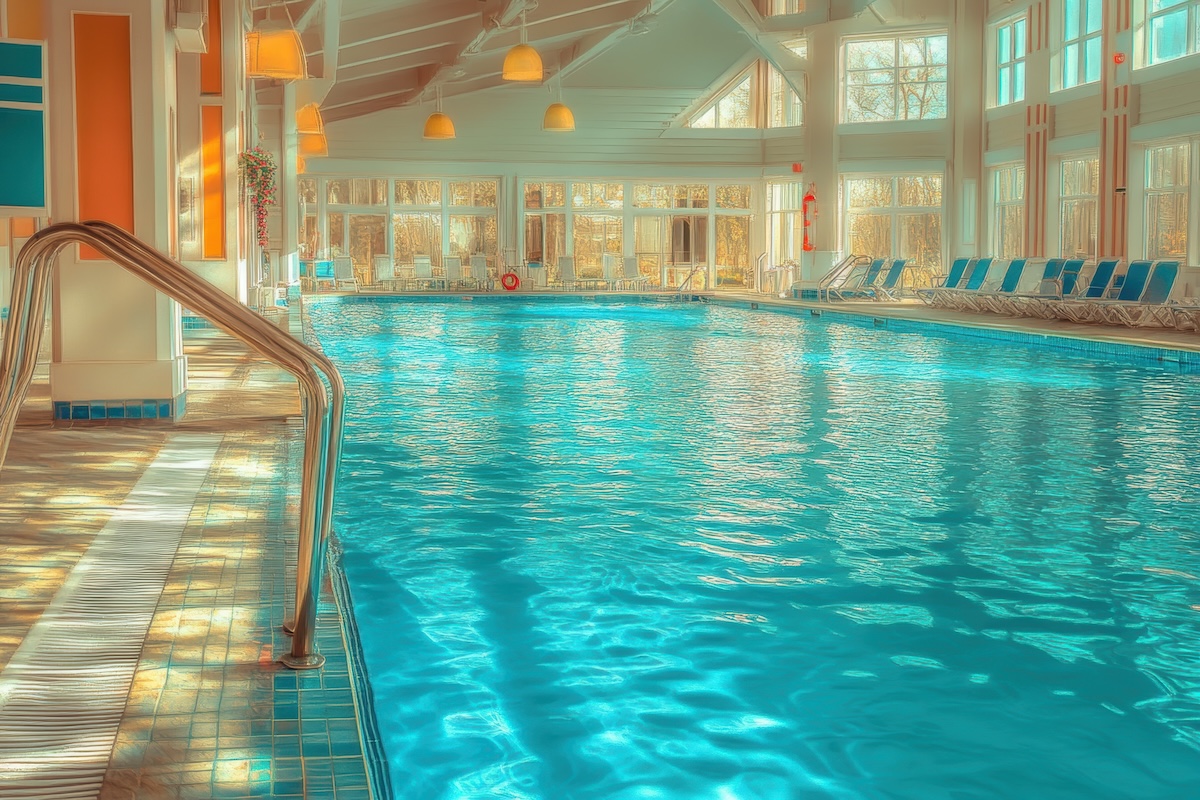
Proper lighting in aquatic environments is essential for both functionality and safety. Natatoriums—which include indoor swimming pools, competition facilities, aquatic centers, and therapy pools—face unique challenges due to the presence of water, humidity, and reflective surfaces. As lighting technology advances, LED natatorium lighting has emerged as the gold standard for illuminating these specialized spaces.
In this article, we’ll explore the benefits of using LEDs in natatoriums, common fixtures used, and important design considerations for achieving effective and reliable lighting in aquatic environments.
Why LED Natatorium Lighting Is the Preferred Choice
Traditional lighting systems, such as metal halide or fluorescent fixtures, have historically been used in natatoriums, but they often struggle with high energy usage, poor light quality, and rapid deterioration due to the corrosive nature of pool environments. In contrast, LED natatorium lighting offers distinct advantages:
1. Energy Efficiency
LEDs use up to 70–80% less energy than traditional lighting technologies. This is crucial in natatoriums, where lights are often used for long hours—sometimes continuously—to support training, events, and public swimming.
2. Improved Visibility and Safety
LEDs deliver bright, uniform illumination with excellent Color Rendering Index (CRI), which enhances visibility in and around the pool. This clarity is essential for lifeguards, coaches, and facility operators to monitor swimmers and maintain safety.
3. Reduced Glare and Reflection
Pools are highly reflective environments. Poor lighting design can cause disruptive glare on the water’s surface or on wet tiles. LED fixtures can be equipped with special optics, diffusers, and directional controls to minimize glare and ensure comfortable, effective lighting throughout the facility.
4. Moisture and Corrosion Resistance
The humid, chlorinated environment of a natatorium is harsh on electrical equipment. LED natatorium fixtures are designed with sealed housings (IP65 or higher) and corrosion-resistant materials, such as powder-coated aluminum or stainless steel, to ensure longevity and performance.
5. Longevity and Low Maintenance
High-quality LED fixtures can last 50,000 to 100,000 hours, reducing the need for frequent maintenance—especially important in areas with high ceilings or difficult access above the pool deck.
Common LED Fixtures Used in Natatoriums
● High Bay LED Lights
Used for general overhead lighting, high bay LED fixtures are ideal for facilities with ceilings over 20 feet. They provide powerful, uniform illumination and are typically mounted above pool decks and spectator seating areas.
● Recessed and Surface-Mounted Fixtures
These are used in lower-ceiling areas such as locker rooms, hallways, and administrative offices. Recessed LEDs can create a clean aesthetic while surface-mounted fixtures offer easier installation in retrofit projects.
● Wall Packs and Perimeter Lighting
Installed along the sidewalls of natatoriums, these LEDs help light walkways, entry points, and emergency exits, increasing safety and navigation.
● Underwater Pool Lights
LEDs designed for underwater use are often installed in the walls of the pool itself. They are fully waterproof and offer color-changing capabilities, which are popular for recreational and competitive events.
● Linear LED Strip or Cove Lighting
These fixtures are often used to highlight architectural elements, illuminate signage, or provide soft accent lighting around the perimeter of the space.
Key Design Considerations for LED Natatorium Lighting
When designing or upgrading lighting for a natatorium, it’s important to consider several specific challenges:
1. Humidity and Chemical Exposure
Fixtures must be rated for use in environments with high humidity, chlorine, and cleaning chemicals. Look for LED fixtures with:
-
IP65 or IP66 ratings for water resistance
-
Corrosion-resistant materials
-
Gasketing and sealed lenses to prevent moisture intrusion
2. High Ceilings and Mounting Height
High ceilings are common in natatoriums, which means lighting must be powerful enough to reach the pool deck without creating dark spots or glare. LED high bay fixtures with narrow or wide beam angles are often selected based on the facility layout.
3. Lighting Uniformity
Poorly designed lighting can cause uneven brightness or create shadows that obscure swimmers. A uniformity ratio close to 1:1 (even distribution of light) is ideal for consistent visibility across the entire facility.
4. Glare Control
To reduce discomfort and improve swimmer visibility, LED fixtures should be positioned to avoid direct glare into the eyes of lifeguards, swimmers, and spectators. Fixtures with diffused lenses, shields, or adjustable mounts help address this issue.
5. Color Temperature and CRI
Most natatoriums benefit from a cool white color temperature (4000K–5000K) that mimics daylight and enhances visual contrast. A high CRI (80 or above) is recommended to ensure color accuracy—important in competitive swimming where lane lines, flags, and signage must be clearly visible.
6. Dimming and Smart Controls
Modern LED systems can include dimmable drivers and smart lighting controls, allowing facility operators to adjust brightness for different events (e.g., swim meets vs. recreational use) and to reduce energy use during off-peak hours.
Safety and Compliance Standards
LED lighting in natatoriums should comply with applicable codes and recommendations, including:
-
IES (Illuminating Engineering Society) RP-6-15 guidelines for sports and recreational lighting
-
ASHRAE energy codes for commercial buildings
-
ADA and emergency egress lighting standards for exit signage and pathways
Additionally, proper emergency lighting and battery backup systems should be incorporated into the design to ensure safe evacuation during power outages.
The Future of Aquatic Facility Lighting
As aquatic centers look to modernize their facilities, LED natatorium lighting stands out as the most effective and sustainable solution. With unmatched durability, energy efficiency, and superior light quality, LEDs not only enhance the swimmer experience but also reduce long-term operating costs and maintenance demands.
Whether for a municipal pool, collegiate aquatic center, or private fitness club, investing in high-quality LED lighting is a smart choice that improves safety, performance, and visual appeal—above and below the waterline.