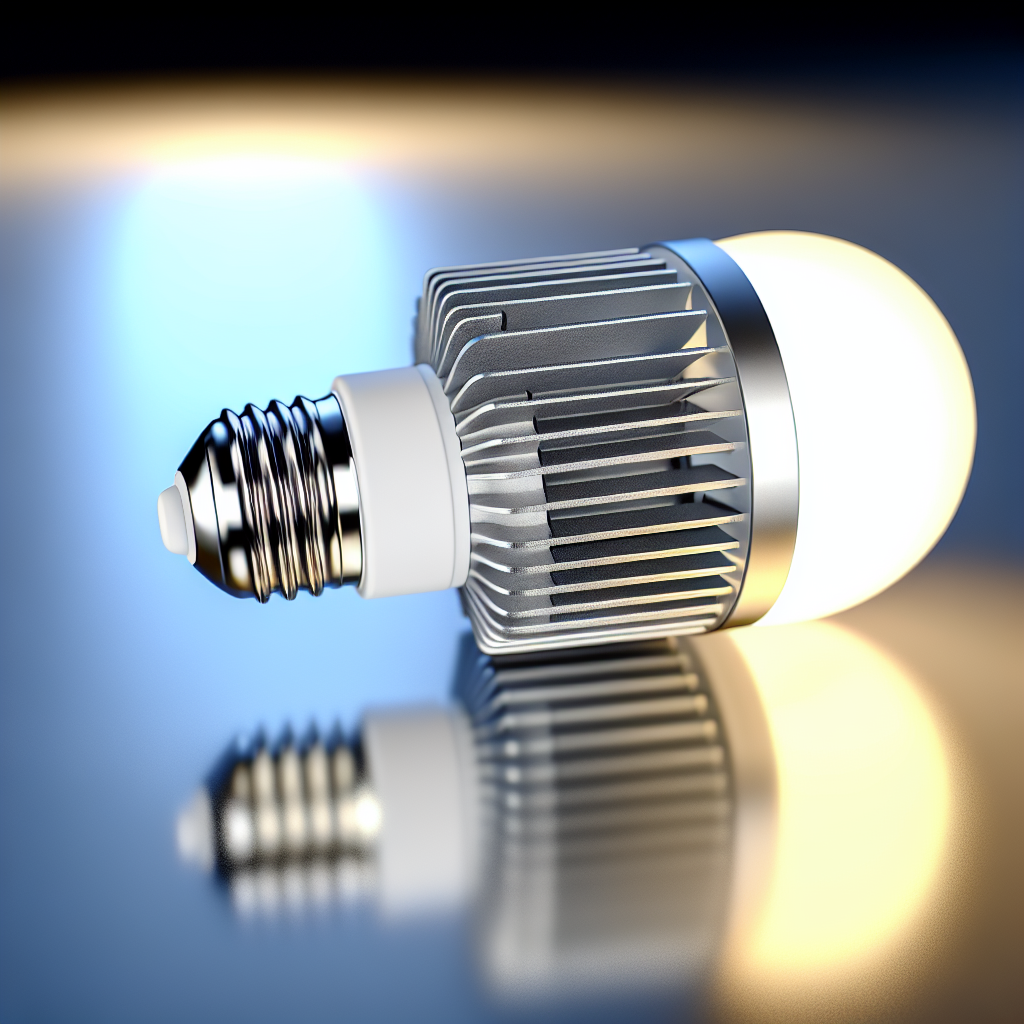
LED heat management is a critical factor in maximizing the performance, lifespan, and efficiency of modern lighting systems. Light-emitting diodes (LEDs) have revolutionized home and commercial lighting with their energy savings and long life. However, while they generate light through an efficient process called electroluminescence, some energy still turns into heat—especially at the diode junction. Managing this heat effectively is essential for safe operation and maintaining long-term brightness and color quality.
Why Do LEDs Generate Heat?
Unlike incandescent bulbs that create light by heating a filament, LEDs work by passing current through a semiconductor. This process is significantly more efficient, converting more electricity into light—but not all. A percentage of the energy is still lost as heat, which accumulates at the LED’s junction point.
Though LEDs run cooler overall, their tightly-packed diodes and compact form factors mean heat becomes concentrated in small areas. High-output fixtures, like commercial downlights or floodlights, can get especially warm. Without proper LED heat management, this buildup can lead to reduced performance, discoloration, or early failure.
Why LED Heat Management Matters
LED heat management involves design practices that help dissipate heat away from the LED junction, keeping temperatures within an optimal operating range. Effective thermal control ensures consistent brightness, retains accurate color temperatures, and extends the fixture’s life span—vital for everything from kitchen underlighting to large-scale office installations.
Neglecting thermal controls can result in:
- Shortened lifespan: Elevated temperatures degrade diode materials over time, cutting life expectancy down from the typical 25,000–50,000 hours.
- Reduced brightness and color shift: Light output dims and color temperature drifts—your cozy 2700K glow may shift toward an unpleasant hue.
- Electrical failure: LED drivers and capacitors are particularly vulnerable to heat, especially in enclosed or poorly ventilated fixtures.
These issues are especially noticeable in recessed cans, track lights, soffit lighting, and LED strips installed in tight coves—applications where airflow is limited and heat can accumulate quickly.
How Fixtures Handle Heat: Built-In Thermal Solutions
Manufacturers address heat through a combination of passive and active technologies built directly into LED products. Understanding these features helps when selecting fixtures for your space:
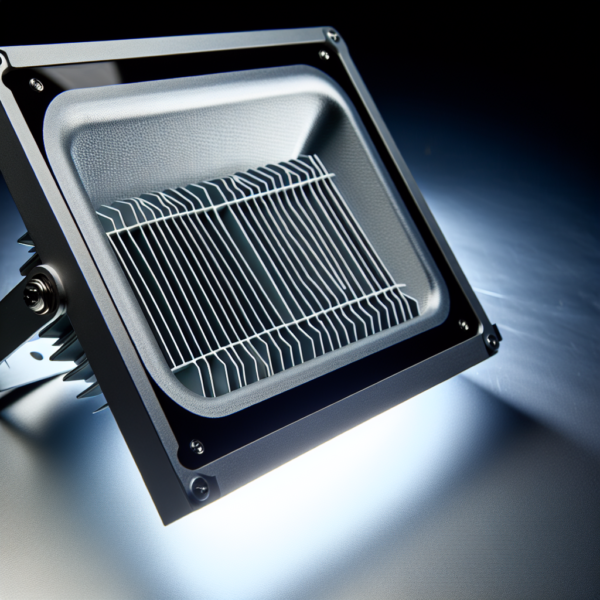
- Heat sinks: These aluminum components absorb and distribute heat outward from the diode. Common in screw-based bulbs and modular fixtures, heat sinks often include fins or grills to increase surface area.
- Thermal interface materials (TIMs): These improve conductivity between components, filling invisible air pockets between LED boards and their heat sinks to maximize heat dissipation.
- Active cooling systems: Some high-powered fixtures (typically over 3000 lumens) use fans or special materials to facilitate cooling quickly. These are critical for applications like high bays or architectural lighting where passive methods may fall short.
Consider a retail store using 4000-lumen commercial fixtures. Those installed high on sloped ceilings and exposed to HVAC drafts require advanced LED heat management. Fixtures with integrated die-cast aluminum housings and properly engineered ventilation perform better and last longer under these conditions.
Installation Best Practices for LED Heat Management
Even well-designed LED products can overheat if installed incorrectly. Follow these tips to protect your lighting investment and improve long-term efficiency:
- Steer clear of enclosed fixtures: Use bulbs specifically rated for enclosed spaces. Trapped heat in sealed globes or flush mounts can shorten lifespan and cause flickering.
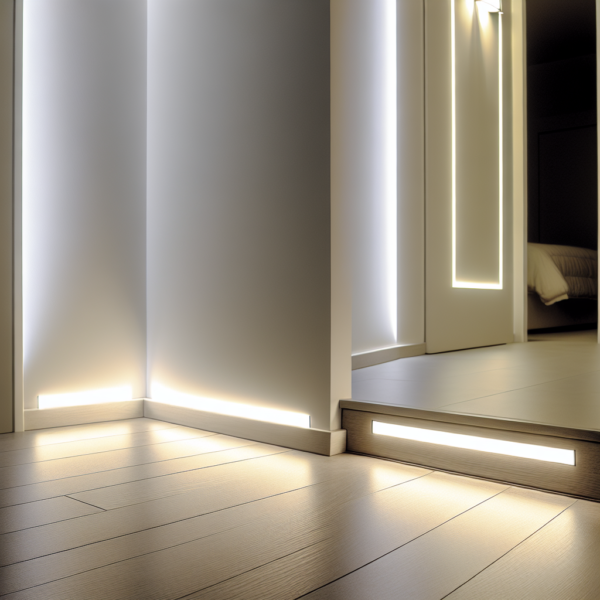
- Install aluminum channels for LED strips: These act as both visual guides and heat sinks. They’re especially helpful in under-cabinet or stair tread applications where tape lights run continuously.
- Maintain ventilation space: Avoid snug installations up against insulation or ducts. Use IC-rated cans when insulation will touch the fixture, and always prioritize recessed housing designed for optimized dispersion.
Outdoor installations, such as path lights or wall sconces, need just as much thermal attention. Choose units made from thermally conductive materials, and avoid placing lights directly under reflective surfaces or near heat sources like grills or vent hoods.
Selecting Thermally Efficient LED Fixtures
Not all LEDs are created equal. Beyond wattage and lumen output, thermal engineering plays a major role in the reliability and longevity of your lighting system. Choose wisely by reviewing these qualities:
- Extended lifespan ratings: Opt for bulbs and fixtures rated for 25,000+ hours. Ratings marked as L70 mean light output remains above 70% for the listed life, indicating better thermal stability.
- Fixture compatibility: Use bulbs labeled “Enclosed Fixture Rated” or “Wet Location Listed” in appropriate spaces like bathrooms, patios, or sealed ceiling mounts.
- Driver and brand reliability: Inferior internal drivers fail under heat. Trusted brands like Cree, Philips, Soraa, and Lithonia offer better heat-dissipation designs and higher-quality components.
Smart LED options, like Philips Hue or LIFX, include extra internal components that generate additional heat. Keep these in open fixtures with good airflow, and avoid clustering in enclosed ceiling pods or sconce-style fittings.
Energy Efficiency Meets Thermal Performance
LED heat management directly affects energy savings. Excess heat reduces a fixture’s luminous efficacy—the amount of lumens delivered per watt. Poorly cooled LEDs may fall below 80 lm/W, while well-cooled designs maintain 100+ lm/W, preserving both brightness and cost savings.
In a commercial hallway with 20 recessed 15W lights running 12 hours daily, proper thermal management reduces electricity use and prolongs fixture integrity, saving hundreds annually. For homeowners using dimmable MR16s on tracks or adjustable fixtures, better heat flow maintains brightness and color accuracy for years.
Reduced heat also results in fewer burnouts and less waste—good news for both your budget and the environment. Fewer changes, lower landfill contribution, and more consistent performance are the benefits of efficient thermal design.
Optimizing LED Lighting for Long-Term Results
LEDs have redefined lighting across residential, commercial, and public environments—but their full potential depends on smart LED heat management. By choosing quality products, paying attention to installation setup, using heat-dissipating channels, and avoiding enclosed or poorly ventilated fixtures, users can maximize reliability and return on investment.
Managing LED heat might seem like a small detail, but it makes a big impact: brighter lighting, better energy efficiency, fewer failures, and consistent visual comfort. Whether you’re updating your kitchen, enhancing your landscape, or designing a high-performance office layout, managing heat ensures your lighting system will shine for years to come.