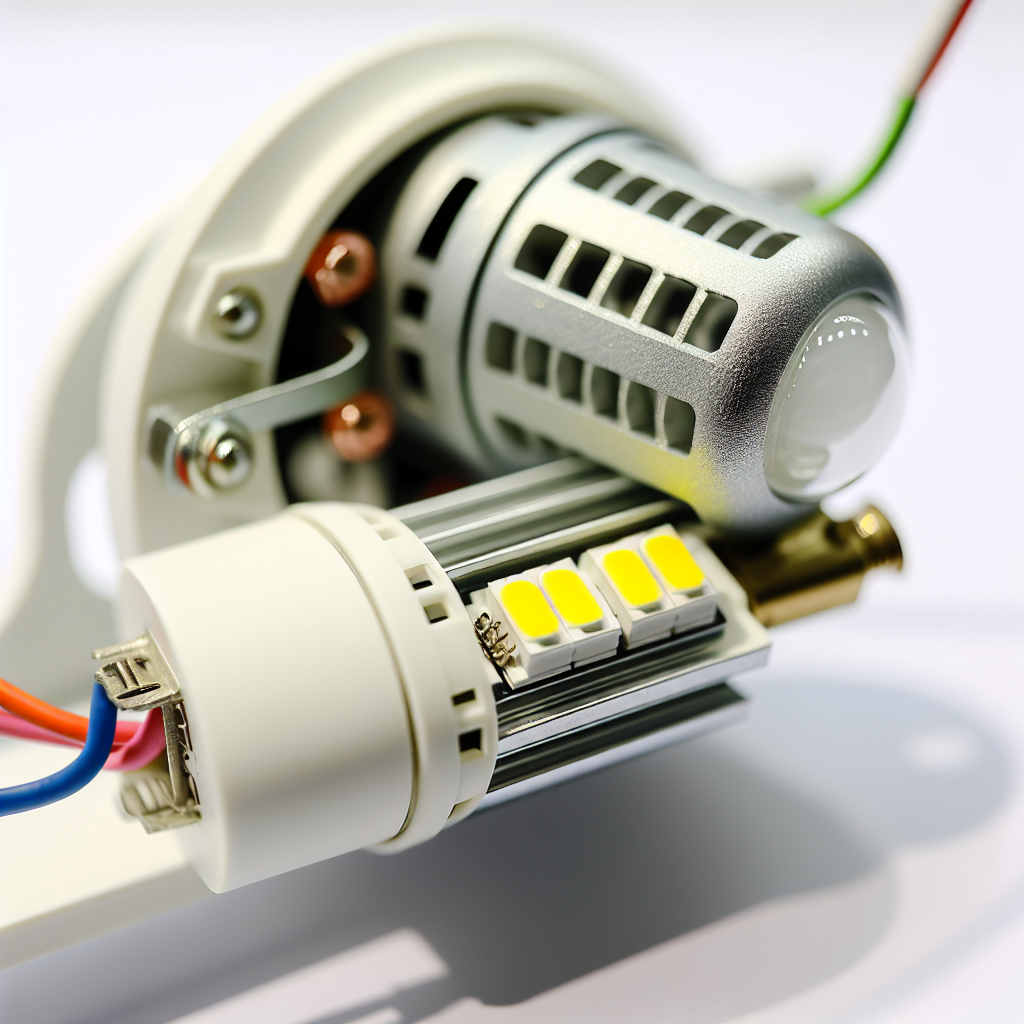
When switching to LED bulbs, one critical component can make or break your lighting compatibility: a load resistor for LED lights. While LED technology offers energy savings and long lifespans, integrating these bulbs into older electrical systems can create problems—such as flickering, buzzing, or dim lights that stay on even when turned off. A load resistor helps resolve these issues by bridging the gap between modern low-wattage LEDs and older circuits expecting higher energy draws.
What Is a Load Resistor for LED Lights?
A load resistor for LED lights mimics the power consumption of traditional incandescent bulbs. Since LEDs often use only 7–15 watts compared to the 40 or 60 watts of older bulbs, legacy dimmers, sensors, and transformers may not register them correctly. Without the expected resistance, your system might respond with error codes, flashing, or non-functional lights.
For example, swapping a 60-watt porch light with a 9-watt LED might confuse your home’s timer or dimmer switch. A load resistor adds the missing wattage draw, allowing the LED bulb to function as intended.
You’ll likely benefit from a load resistor in these scenarios:
- Older homes with legacy switches or outdated wiring
- Outdoor lights attached to motion detectors or photocells
- Automotive lighting systems that trigger bulb-out error messages
- Landscape lighting connected to transformers calibrated for halogen bulbs
How to Know If You Need a Load Resistor for LED Lights
Several common symptoms suggest your LED lights need help to perform properly within your existing system:
- Flickering: Especially under dimmer control, inconsistent voltage leads to visible flickers.
- Buzzing or strobing: Poor power regulation creates humming or rapid blinking behavior.
- Lights that stay slightly on: Frequently seen in switch loops or multi-way circuits where leakage causes glow.
- Dashboard bulb warnings: Most modern vehicles use CAN bus systems that detect bulb failures based on current draw. LEDs don’t provide enough resistance on their own.
Installing a load resistor for LED lights solves these issues by replicating the current draw your system was built to expect.
Indoor Uses: Fixing LED Compatibility in Home Lighting
Indoor lighting setups, especially those involving dimmers, are prime candidates for load resistor fixes. Standard dimmer switches regulate voltage in a way that low-wattage LEDs may not interpret correctly. This often results in flickering or lights failing to power on at low brightness levels.
For instance, a chandelier with six 8-watt LEDs replacing 60-watt bulbs drops the total circuit load from 360 watts to just 48. A traditional triac dimmer may not detect that low level, causing performance issues. Adding a 10–25-watt load resistor in parallel with one or two bulbs can provide the boost needed for stable dimming.
Other common indoor scenarios include:
- Basement and garage lighting activated by older motion sensors
- Smart switches like Lutron Caséta or Z-Wave dimmers with minimum load requirements
- Accent or task lighting where track or tape lights operate below voltage thresholds
By simulating the load expected, a resistor can restore full functionality while letting you enjoy the benefits of LED efficiency.
Outdoor Lighting Challenges and Resistor Solutions
Outdoor environments introduce extra complexity. Light sensors, dusk-to-dawn photocells, and legacy motion-activated fixtures often fail to detect the low power consumption of LED bulbs. A 10-watt LED floodlight, for example, won’t trigger many older sensors, causing lights to stay on around the clock—or not turn on at all.
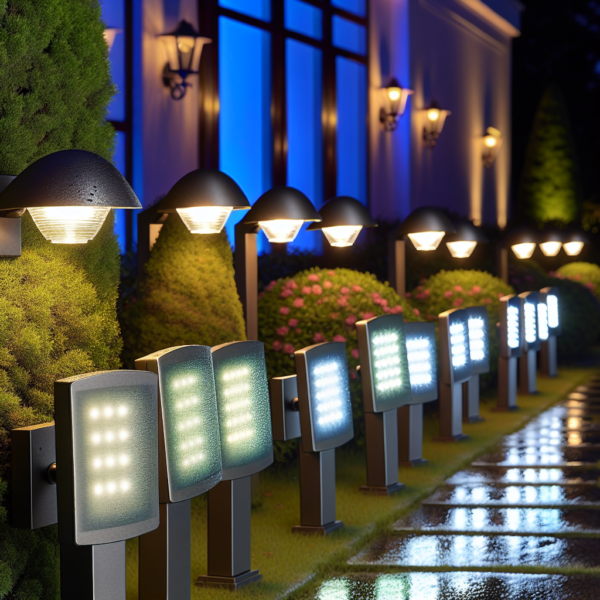
Low-voltage landscape lighting also faces limitations. Transformers calibrated for 20–60-watt halogens often underperform when connected to multiple 5–7-watt LED fixtures. The result is flickering, overheating, or intermittent shutoffs.
Adding a load resistor for LED lights in outdoor circuits helps curb these performance gaps:
- Install a resistor inline at the transformer or near the last light on the circuit
- Use ballast support for low-watt LED fixtures connected to legacy transformers
- Retrofit porch or patio lighting with resistors if connected to outdated light sensors
Choose resistors rated for outdoor use—IP65 or higher—for weather-sealed, long-lasting performance.
Automotive & RV Setups: Use Load Resistors to Avoid Errors
Converting your vehicle’s lights to LEDs comes with major benefits: brighter light, faster response, and modern aesthetics. However, most automotive electrical systems are calibrated for incandescent technology. Swapping out a 25-watt halogen turn signal with a 5-watt LED can trigger “bulb out” errors or cause hyper-flashing blinkers.
To prevent this, install a load resistor for LED lights in parallel to simulate the original bulb’s power usage. Automotive-grade resistors are typically 6 ohms and 50 watts, designed to closely mimic incandescent draw.
Essential applications include:
- Brake lights and turn signals
- Reverse and fog lamps
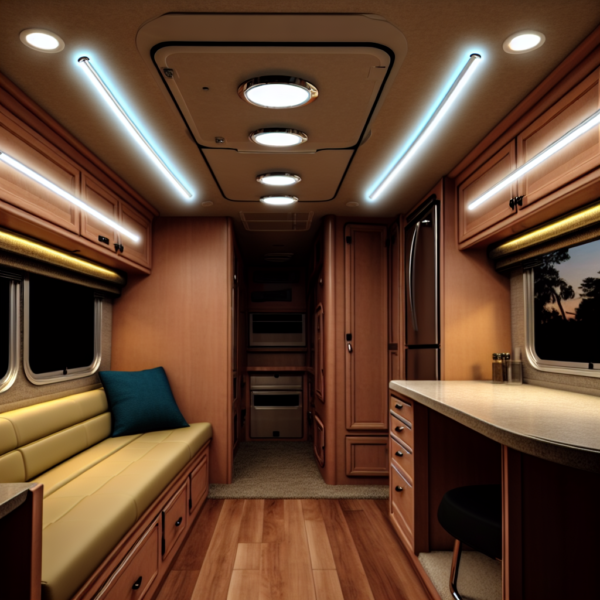
- RVs and motorhomes with marker light upgrades
Mount these resistors to metal surfaces, as they generate heat during extended use. Avoid contact with plastic to reduce fire risk.
Installation Tips for Load Resistors
Installing a load resistor is simple with basic wiring skills. The resistor connects in parallel—one lead to positive, one to ground—mirroring the bulb’s circuit path. Follow these tips to ensure a safe and effective setup:
- Choose the right specs: Automotive setups typically use 6-ohm, 50W resistors; home lighting may require a 10–25W version.
- Ensure heat dissipation: Resistors convert excess energy into heat. Use heat shields or mount to cooling surfaces where necessary.
- Secure with appropriate mounting: For vehicle or sealed fixtures, use bolt-on fasteners or thermal adhesive pads rated for heat transfer.
- Don’t overload circuits: Always verify that the load resistor doesn’t exceed the available capacity of the system.
- Waterproof when needed: Outdoor installations require IP-rated resistors with sealed leads for weather protection.
Always review manufacturer guidelines—especially for smart dimmers or control hubs—to confirm whether a load resistor is the right solution.
Do You Always Need a Load Resistor for LED Lights?
Not in every case. With high-quality LED bulbs and compatible modern dimmers, many systems operate flawlessly without extra components. A good retrofit, using components certified to work together, will reduce the need for additional resistance.
However, when working with legacy wiring, outdated sensors, or automotive electronics, a load resistor for LED lights becomes a powerful tool. It helps prevent errors, improves performance, and ensures you enjoy consistent lighting without unexpected behavior.
Whether you’re upgrading your home, garage, patio, or vehicle, understanding how and when to use load resistors will keep your LED lights shining bright—without the flicker, hum, or headache.