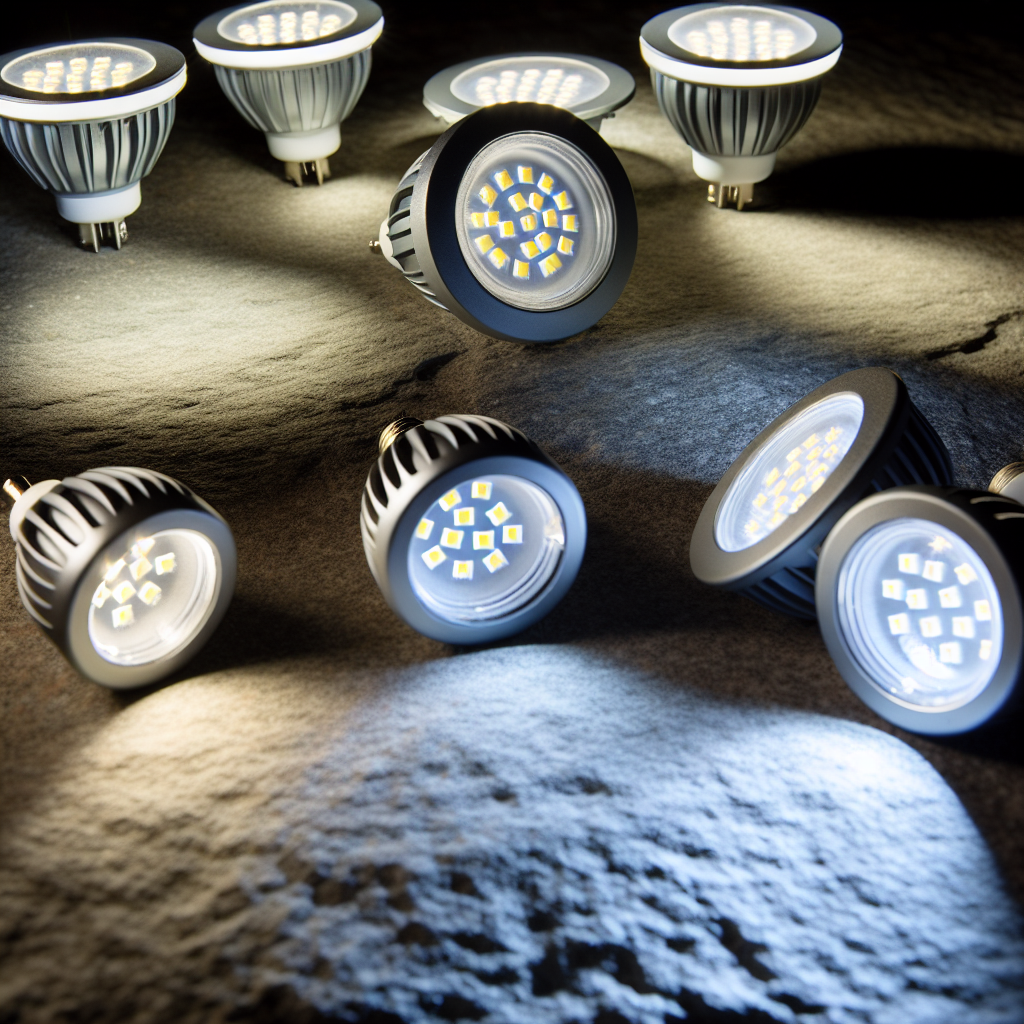
Choosing the right LED landscape light bulbs is key to achieving optimal outdoor lighting performance, whether you’re enhancing a backyard retreat, improving nighttime safety, or boosting curb appeal. With countless options available—from low-voltage path lights to smart-enabled floodlights—understanding bulb types, compatibility, and installation tips is essential for lasting results. This guide walks you through how to select the best LED landscape light bulbs for aesthetics, functionality, and energy efficiency.
What Are LED Landscape Light Bulbs?
LED landscape light bulbs are energy-efficient light sources specifically engineered for outdoor use. They’re designed to replace older halogen and incandescent bulbs in common landscape fixtures such as path lights, spotlights, deck lights, and floodlights. Unlike outdated lighting, LED bulbs emit minimal heat, last longer, and use up to 80% less energy—making them ideal for multi-light installations that run for hours each night.
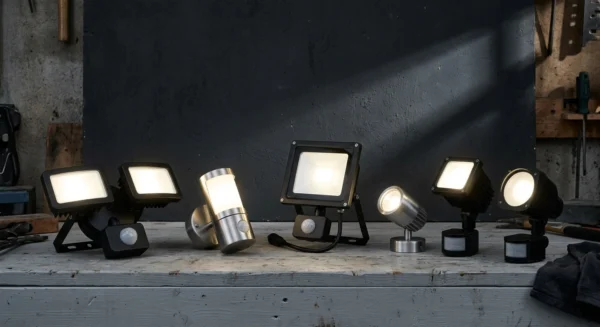
LED landscape bulbs come in various form factors, each suited for specific applications:
- MR16 and MR11: Compact, directional bulbs used in spot and uplights. Typically operate on low-voltage (12V) systems.
- PAR36 and PAR38: Large reflector bulbs for floodlight or well light fixtures. Suitable for illuminating wide areas.
- G4 and G9: Miniature bi-pin bulbs designed for pathway lights, bollards, and under-cap lighting.
Always confirm that the bulb matches your fixture’s base type and voltage. Weather-resistant fixtures should be paired with bulbs rated for damp or wet locations—look for an IP65 rating or higher to ensure safe outdoor operation.
Determine the Right Brightness (Lumens) for Each Area
Lumens indicate how bright a bulb will be. When selecting LED landscape light bulbs, consider the purpose of each fixture and its ideal light output. Unlike watts, which measure energy use, lumens measure visible light, making them the most accurate evaluation of bulb brightness.
- Path lights: 100–200 lumens per fixture. Enough to softly outline walkways and garden paths without glare.
- Spot and uplights: 300–700 lumens. Ideal for accentuating trees, sculptures, and architectural details.
- Floodlights: 700–1,300 lumens. Illuminate large areas like driveways, fences, or signage effectively.
- Step and deck lights: 30–150 lumens. Designed for safety and subtle ambiance without overpowering shadows.
Choose dimmable LED bulbs or smart versions to fine-tune brightness for various occasions or lighting zones. Many low-voltage transformers also support dimming functionality for added control.
Color Temperature: Setting the Mood and Function
The color temperature of LED landscape light bulbs greatly impacts the appearance and feel of your exterior lighting. Measured in Kelvins (K), different temperatures serve different lighting goals:
- 2700K–3000K (Warm White): Delivers a cozy, inviting glow. Perfect for entertaining areas, garden borders, and pathways.
- 4000K (Neutral White): Provides crisp, balanced lighting. Useful for accent lighting on architectural features or walls.
- 5000K+ (Cool White/Daylight): Offers intense brightness and maximum visibility for security and functionality.
Look for bulbs with a Color Rendering Index (CRI) of 80 or higher to maintain true and vibrant colors in plants, masonry, and decor. High-CRI LEDs bring out natural textures and tones, enhancing the overall landscape aesthetic.
Selecting the Proper Beam Angle
Beam angle determines how light is distributed. It’s a vital factor when aiming to achieve the perfect balance between focused accents and general area lighting using your LED landscape light bulbs:
- 15°–25° (Narrow Spot): Accents specific features like garden statues, flagpoles, or small trees.
- 30°–45° (Medium Spot): Common choice for tree canopies, exterior walls, or landscape textures.
- 60°–80° (Flood): Ideal for broad surfaces such as patios, driveway edges, or privacy fencing.
For layered lighting, utilize a mix of spot and flood beam angles to highlight foreground objects while gently illuminating background elements. Some advanced LED bulbs even offer adjustable beam angles for adaptable light distribution.
Benefits of Energy Efficiency and Long Lifespan
LED landscape light bulbs are known for their exceptional energy savings. A quality bulb uses only 4 to 6 watts to deliver the same brightness as a 35- to 50-watt halogen equivalent—ideal when powering numerous lights for extended periods.
In addition to using less energy, LED bulbs often last 25,000 to 50,000 hours. That translates to years of dependable operation with minimal maintenance. Seek ENERGY STAR-certified products for performance assurance, efficiency, and warranty protection, especially for commercial or large-scale residential use.
Smart Lighting Integration for Automation and Control
Smart technology takes LED landscape light bulbs to the next level. Many smart LED solutions support automation features like scheduled timers, dimming by zone, scene settings, and even color changes with mobile apps or voice assistants.
Consider investing in smart transformers compatible with Wi-Fi or Zigbee platforms (e.g., Ring, Philips Hue, Govee) for system-wide control. Opt for LEDs labeled “safe for enclosed fixtures” if installing in sealed landscape housings, and always verify the compatibility of voltage requirements (typically 12V AC/DC).
Essential Compatibility and Installation Tips
Proper installation ensures both safety and optimal lighting output. Review these considerations before purchasing LED landscape light bulbs:
- Voltage Match: Confirm that the fixture and bulb share the same voltage (commonly 12V low-voltage). A mismatch may cause malfunction or bulb failure.
- Base Type Alignment: Double-check socket compatibility. MR16 bulbs use GU5.3 bases, while PAR bulbs may use screw-in or specialty connectors.
- Driver Requirements: Most LED bulbs are designed for plug-and-play compatibility with existing landscape transformers, but confirm driver type (constant current or voltage) if unsure.
- Dimming Support: Only use bulbs specified as “dimmable” with transformer-compatible dimming systems to prevent flickering or buzzing.
- Outdoor Rating: Even within sealed housings, your bulb should be rated for damp or wet outdoor locations to ensure longevity and reliability.
Position fixtures correctly during installation to avoid glare and drainage issues. Avoid directly aiming any beam at windows or neighboring spaces to preserve aesthetics and neighbor-friendly lighting practices.
Smart Choices for Lasting Landscape Lighting Success
Incorporating quality LED landscape light bulbs into your outdoor lighting design isn’t simply about brightness—it’s how you define mood, enhance security, and reduce long-term maintenance costs. Start by evaluating intended use: Do you want to softly light a walking path, cast light on a statement tree, or boost safety in a driveway?
Homeowners benefit from using warm white 2700K MR16 bulbs (4W, GU5.3 base) for patios and path lighting. For commercial lots or signage, high-lumen PAR36 flood bulbs with 45° beams are a reliable choice. Landscape designers can elevate outdoor rooms using RGB color LEDs and smart controls to create customized, seasonal scenes at the push of a button.
With proper planning and the right bulb selection, your landscape will not only look beautiful after dark but will also be efficient and future-ready.