When the power goes out, a reliable LED emergency light ensures your home, office, or business stays safely illuminated. Whether you’re enhancing a basement, securing a commercial stairwell, or upgrading your smart home system, selecting the right LED emergency light is key to maintaining both safety and performance. In this guide, you’ll learn how to choose dependable indoor and outdoor fixtures, what features matter most, and how to make informed investment decisions that won’t compromise on light output or reliability.
Understand Performance: Lumens, Wattage, and Battery Run Time
The performance of an LED emergency light relies on three core specifications: lumens, wattage, and battery run time. Lumens measure brightness. For context, a 60-watt incandescent bulb delivers around 800 lumens. In emergency lighting, most fixtures provide between 150–750 lumens per head. Residential spaces may only require 200–300 lumens, while industrial zones could need over 500 lumens for visibility and safety.
Low wattage doesn’t mean low performance. Thanks to LED technology, a 3–5 watt LED emergency light can easily outperform a 25–40 watt incandescent unit. During outages, low power consumption is essential since battery backups supply the power. Prioritize models with at least 90 minutes of battery run time, the minimum required by most fire and building codes. In areas with higher risk or frequent outages, extended runtime options offer 2–3 hours of coverage.
Choose the Right Installation and Fixture Design
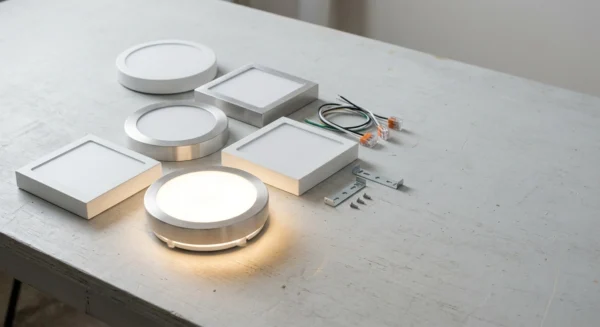
Installation method significantly impacts which LED emergency light is right for the job. Wall-mounted models are ideal for stairwells and corridors, while ceiling-mounted options cover wide zones like lobbies or warehouses. Recessed designs suit residential spaces where a streamlined appearance is desirable. Each style balances aesthetics and function differently, so plan placement carefully.
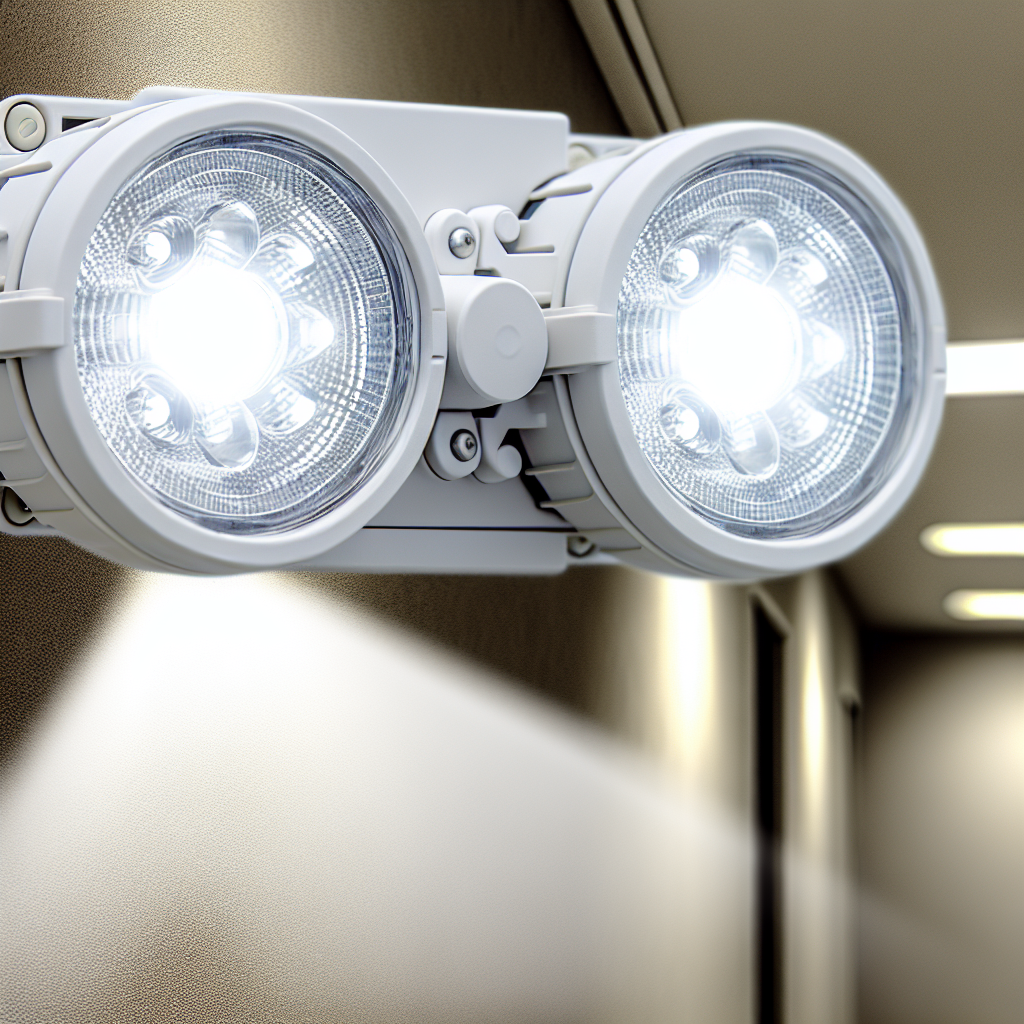
For broader coverage, choose dual-head emergency lights with adjustable lamps — many offer 180° of customizable beam spread. Aim the heads where lighting is critical: exits, stairs, or hallway corners. Beam width also matters. A 120° beam is often enough for compact rooms, while a 180° beam better serves large open areas. Many modern fixtures feature a clean, architectural look, blending into upscale residential or commercial interiors.
Focus on Battery Backup and Charging Systems
The power source behind every LED emergency light is the battery. Most models use either lithium-ion or nickel-cadmium (Ni-Cd) batteries. Lithium-ion provides lighter weight, better cold performance, and longer service life — ideal for outdoor or unheated areas. Ni-Cd batteries are more budget-friendly and tolerate deep discharges, making them suitable for commercial retrofits.
Look for fixtures with automatic self-diagnostics and scheduled monthly testing. This boosts code compliance and helps uncover failures before an emergency occurs. In commercial applications, these features simplify maintenance under regulations like NFPA 101 and OSHA.
- Common battery capacity: 3.6V – 6V (1–5Ah range)
- Charging time: Between 12–24 hours for a full recharge
- Minimum run time: At least 90 minutes under load
Models with built-in LED indicators simplify status checks at a glance, even when units are mounted out of reach.
Select Indoor vs. Outdoor-Rated Emergency Lighting
Not every LED emergency light excels outdoors. For exterior use — such as over exit doors, walkways, or docks — select weather-rated models with IP65 or IP66 certification. This ensures protection from water, dust, and temperature extremes. Housings made of cast aluminum, thermoplastic, or polycarbonate provide added UV and corrosion resistance.
For indoor settings, lightweight thermoplastic units usually suffice. These fixtures focus more on utility and less on durability. In visible areas like foyers or lounges, slim-profile designs or decorative finishes work well to maintain a cohesive interior aesthetic.
Use Case Examples:
- Residential basement: Compact wall-mounted unit with 2×200 lumen heads and 90-minute battery
- Office hallway: Dual-head ceiling fixtures spaced 30–40 feet for full coverage
- Outdoor exit door: Vandal-resistant, IP66-rated unit with sealed battery pack
Explore Smart Emergency Lighting Features
Modern LED emergency light models often support smart functionality. Features include programmable self-tests, integration with building automation systems (BAS), or even control via mobile apps. Some fixtures are compatible with Zigbee, Z-Wave, or Wi-Fi for remote monitoring and diagnostics.
Dual-mode designs often combine everyday lighting needs with emergency preparedness in a single fixture. These hybrid models switch seamlessly from AC power to battery during outages, conserving ceiling space and maintaining design continuity. Step-dimming, motion sensors, and battery health monitoring further enhance energy savings — great for 24/7 environments like parking garages or warehouses.
Energy Savings and Operational Efficiency
One of the biggest advantages of using an LED emergency light is energy efficiency. Compared to incandescent and fluorescent models, LED fixtures use up to 85% less power and can last over 50,000 hours. This drastically lowers replacement frequency — especially in high-mounted installations.
Consider the full financial picture, including:
- Upfront fixtures: Prices range from $25 to $150 based on features and IP rating
- Maintenance savings: Minimal due to long-lasting LEDs and batteries
- Operational efficiency: 4W LED replacements for 40W halogens deliver major kilowatt-hour reductions
Explore local utility rebates for energy-efficient lighting upgrades — these often apply to LED emergency light installations, especially as part of larger energy retrofit projects.
Installation Advice for Homeowners and Pros
Installing a LED emergency light is possible for many DIYers, provided they follow safety procedures. Most fixtures include mounting plates, pre-punched knockouts, and wiring diagrams. Always switch off the circuit breaker before electrical work, and connect battery leads last. Indoor models typically use 120V or dual 120/277V inputs, while outdoor units may require weathertight boxes and silicone gaskets.
In commercial spaces or code-governed installations, hire a licensed electrician. Proper installation guarantees compliance with local fire and building codes — especially around EXIT signage, circuit labeling, and illumination spacing.
Installation checklist:
- Verify voltage requirements (single or dual input)
- Test the unit after installation via the test button
- Log fixture location and circuit details for maintenance
- Mark installation date for battery replacement tracking
For large buildings, prepare a lighting layout map to ensure emergency lights and egress paths meet safety guidelines. This ensures complete coverage during critical situations.
Final Thoughts: Why LED Emergency Lighting Counts
Choosing the right LED emergency light does more than satisfy code — it protects occupants and safeguards property during power failures. From high-output dual-head units to sleek, smart-connected models, there’s a lighting solution for every application. With energy savings, extended life spans, and reliability in harsh environments, LED emergency lighting delivers both peace of mind and long-term value.