Creating an ideal work environment with “led office lighting” involves effective lighting strategies that enhance productivity and minimize eye strain. Selecting appropriate LED solutions meets these needs and transforms any workspace into a hub of efficiency and comfort. Understanding LED technology is essential for homeowners setting up a home office, commercial facility managers optimizing company lighting, or DIY enthusiasts upgrading their setups.
Understanding LED Office Lighting Technology
LED office lighting is transforming workplace illumination. Unlike traditional incandescent or fluorescent lights, LEDs provide energy efficiency, long lifespan, and design flexibility. These benefits make them perfect for office settings. Using semiconductors, LEDs convert electricity to light efficiently, cutting energy consumption by up to 75% compared to traditional bulbs.
Understanding lumens and wattage is critical for LED office lighting. Lumens measure light output, while wattage indicates energy use. An LED with 800 lumens matches the brightness of a 60-watt incandescent bulb but uses only about 10 watts. This efficiency offers significant cost savings over time.
Choosing the Right LED Fixtures for Your Office
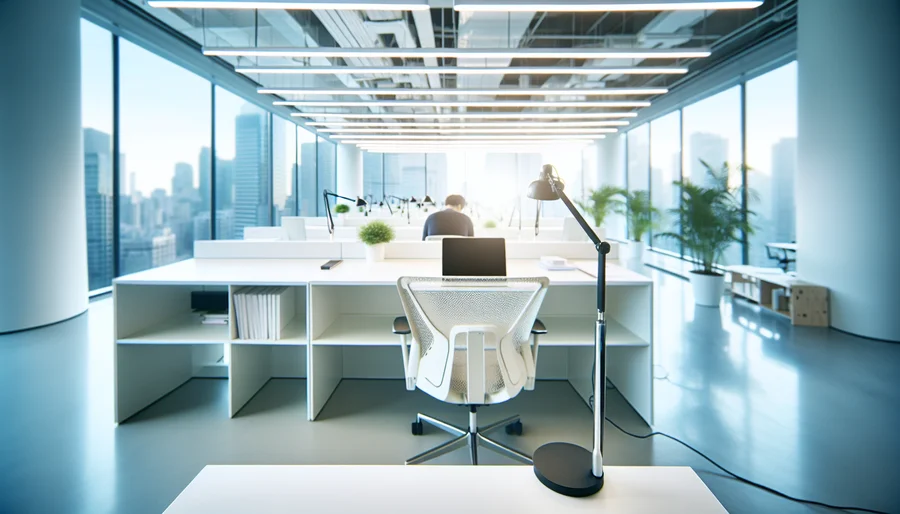
Choosing LED office lighting involves several decisions. Determine the fixture type needed: overhead recessed lighting for even distribution or adjustable desk lamps for task-specific illumination. Overhead lights, such as LED panel lights or troffers, provide consistent lighting ideal for larger offices. Task lights, like LED desk lamps, offer precise control over lighting intensity and direction, suitable for focused activities.
Consider beam angle as well. LEDs are available with varying beam angles, from narrow beams (around 30 degrees) for focused tasks to wide beams (over 100 degrees) for general room lighting. Selecting the correct beam angle minimizes glare and ensures adequate light coverage.
Optimal Color Temperatures for Workplace Productivity
Color temperature, measured in Kelvin (K), greatly affects office ambiance and functionality. For “led office lighting,” use a range of 4000K to 5000K. Higher temperatures in this range emit cool, bluish-white light that mimics daylight, enhancing alertness and focus. Warmer light (around 2700K) suits more relaxing environments. Selecting the right color temperature keeps employees productive.
For example, a home office used during the day might benefit from LEDs around 5000K to match natural daylight, while an office operating night shifts might use 4000K lights to minimize disturbances to circadian rhythms.
Smart LED Lighting Solutions for Modern Offices
Combining smart technology with LED office lighting enhances convenience and control. Smart LEDs can be managed via smartphones or voice assistants, allowing remote adjustment of brightness, color temperature, and lighting schedules. This adaptability not only personalizes office lighting but also conserves energy by preventing unnecessary usage.
Install automated lighting systems that adjust based on the time of day or occupancy sensors that turn lights off when spaces are empty. These features significantly reduce energy consumption and extend the lifespan of lighting appliances.
Installation Tips for LED Office Lighting
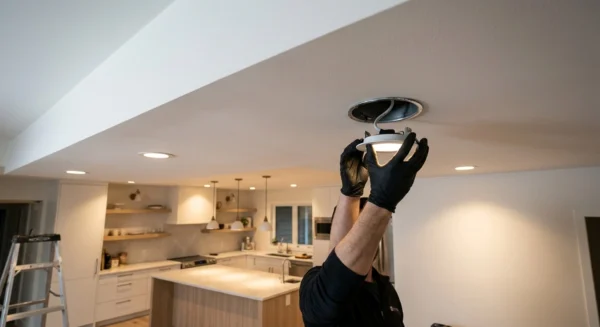
Proper installation maximizes LED office lighting benefits. When upgrading or installing new lighting, ensure compatibility with existing wiring systems. Consulting with a licensed electrician is recommended for extensive installations or replacing older systems.
DIY enthusiasts should consider user-friendly LED plug-and-play solutions for simpler projects, like under-cabinet lights or LED strip lights. These options generally require minimal installation procedures and can enhance workspace functionality and aesthetics.
Energy Efficiency and Cost Benefits
One major incentive for switching to LED office lighting is cost savings. LEDs have much longer lifespans than traditional bulbs, often lasting up to 50,000 hours. This longevity reduces the need for frequent replacements, significantly lowering maintenance costs. Combined with energy efficiency, LEDs can lead to substantial reductions in electricity bills, making them a sound investment for any office.
For commercial facility managers, the savings scale can be vast, justifying replacing entire building systems with LED alternatives. Additionally, many governments and utilities offer rebates and incentives for energy-efficient upgrades, further reducing initial investment costs.
Ensuring Eye Safety with LED Office Lighting
While productivity and energy efficiency are crucial, ensuring eye comfort is equally important. LEDs often come with adjustable brightness, helping reduce eye strain during extended work periods. Balancing ambient light with task lighting is essential, as is avoiding harsh lighting that causes glare. Dimming capabilities in LED lights allow for adjustments tailored to personal comfort or specific task requirements.
Some advanced LED products mimic natural light cycles, which can be beneficial in windowless offices, supporting healthy sleep patterns and reducing fatigue.
Integrating effective LED office lighting entails more than selecting bright bulbs. By considering fixture types, color temperatures, energy-saving potentials, and smart features, a workspace that boosts productivity and supports employee well-being can be created. Whether you are revamping a home office or managing a large commercial space, investing in quality LED solutions promises both functionality and financial returns.