LED cove lighting is rapidly becoming the go-to solution for homeowners, interior designers, and commercial planners who want to transform indoor and outdoor spaces with soft, ambient illumination. This modern lighting approach stands out for its energy efficiency, design flexibility, and sleek appearance. Whether you aim to refresh a living room, elevate a dining space, or enhance architectural details outside, LED cove lighting provides both beauty and performance. In this guide, we share expert strategies, installation tips, and inspiring ideas for integrating LED cove lighting into every corner of your space.
LED Cove Lighting Design Basics: What to Know
Before exploring room-specific ideas, start with the basics of LED cove lighting. These systems typically conceal LED strips or linear fixtures inside ceiling recesses, walls, or furniture. The goal is to create an even, indirect glow that highlights surfaces while hiding the light source. The effect is subtle, stylish, and highly customizable.
One reason LED technology excels in cove lighting is its wide range of features. You can choose color temperatures between 2700K (warm white) and 6500K (daylight) to suit different moods. Dimmable models—often compatible with smart controls—allow real-time responsiveness, while waterproof options (IP44 or higher) are ideal for moisture-prone areas like bathrooms or patios.
For optimal performance, select LED strips with a brightness of 300–1200 lumens per meter (100–400 lumens per foot). Most cove lights have a 120° beam angle for even wall-washing effects, and power usage ranges between 4–12 watts per foot for typical residential spaces. Always choose high-quality components to avoid flickering or inconsistent lighting.
Living Room Lighting: Mood and Elegance
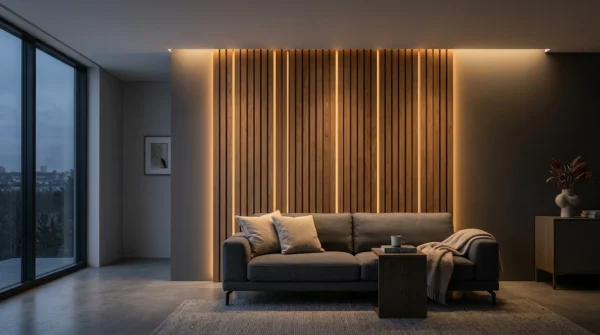
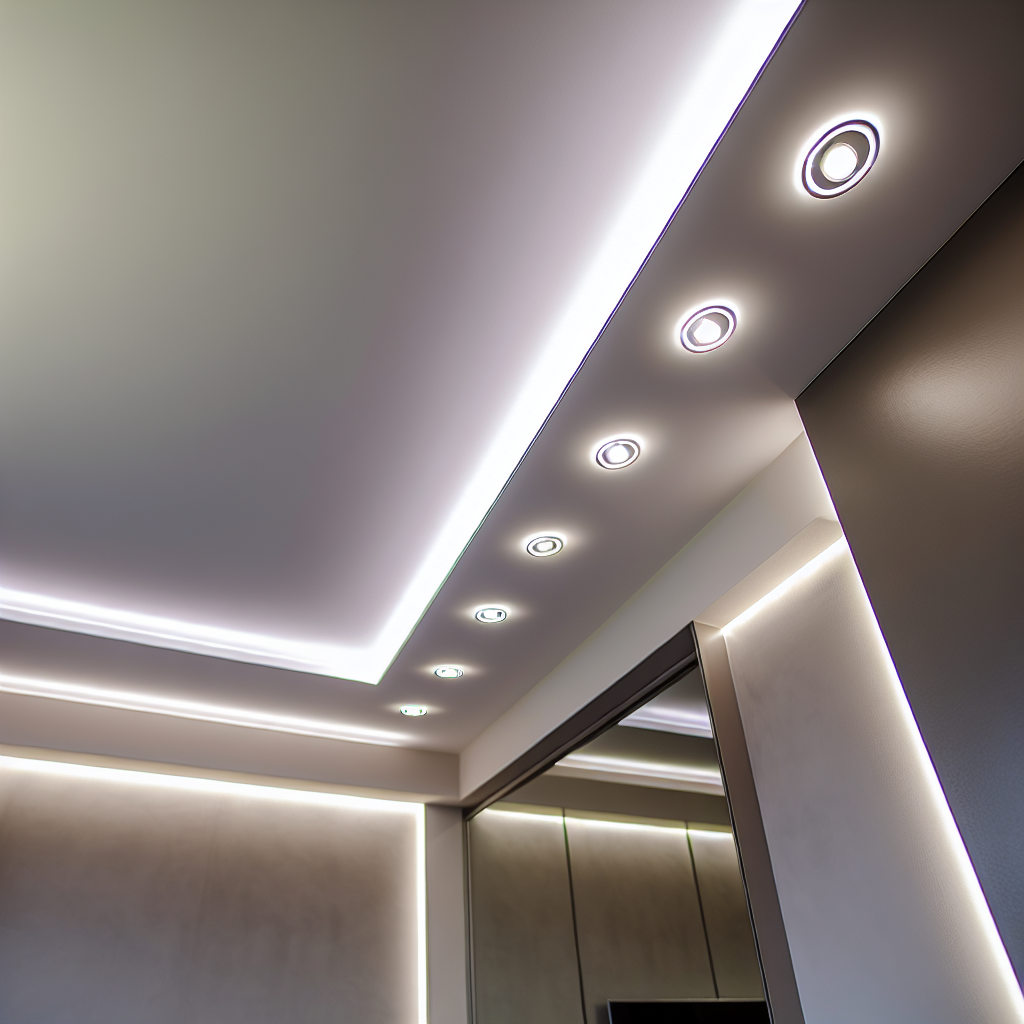
The living room is an ideal space to showcase the power of LED cove lighting. Recessed ceiling perimeters, often known as tray ceilings, can be subtly lit to create a “floating” effect. RGBW or tunable white LED strips add the option to shift between warm or cool tones—or even full-spectrum colors—for entertainment or relaxation.
For a minimalist setup, 3000K warm white strips lend a cozy ambiance without overwhelming the space. You can sync color-changing systems with smart controls, such as Lutron Caséta or the Philips Hue Bridge. Pairing cove lighting with recessed downlights helps create depth without relying on bulky fixtures.
To increase impact, use high-CRI LED strips (90+) to emphasize fabrics, wall textures, and artwork. Install strips inside aluminum channels with diffusers to soften light and extend LED lifespan. Investing in dimmable drivers or smart controls lets you fine-tune brightness to suit the time of day or activity.
Kitchen and Dining Areas: Style Meets Function
In kitchens, LED cove lighting supports both aesthetics and utility. Installing strips above cabinets opens up the room while enhancing visual clarity. A neutral color temperature like 4000K works well here, balancing the sharpness of task lighting with a softer ambient tone for comfort.
For dining rooms, cove lighting integrated into crown molding or coffered ceilings delivers a polished, upscale feel. Dim-to-warm strips allow for a relaxed mood during dinner and higher brightness for hosting guests. Consider a strip with 600 lumens per foot and a CRI above 90 to bring out texture and tone in furnishings.
Don’t overlook versatility. Uplighting highlights ceilings and eliminates harsh overhead glare, while downlighting from shelves or cabinets supports meal prep and presentation. For dynamic spaces, choose color-tunable solutions like those from Ketra or Zigbee-enabled brands, which pair seamlessly with Alexa or Google Home.
Bedroom and Bathroom Ambience
Bedrooms benefit greatly from the subtle warmth of well-placed LED cove lighting. Use warm white LEDs at 2700K around bed frames, behind headboards, or within ceiling recesses for a soft evening glow. These temperatures help signal the body it’s time for rest by mimicking natural dusk tones.
Creative integrations on platform beds or behind decorative wall panels add architectural elegance to the room. Consider motion detectors for gentle night lighting—especially useful for children or in guest suites. Select strips compatible with deep dimming (down to 1%) to ensure comfort during nighttime use.
In bathrooms, IP65-rated waterproof LED cove lights can be safely installed around mirrors or inside ceiling trays. Use 3000K or 4000K color temperatures to enhance clarity without looking clinical. For code compliance in moisture zones, select ETL-listed, low-voltage fixtures installed by licensed pros.
Exterior Space Enhancement
Extend the impact of LED cove lighting into outdoor environments. Accent patios, balconies, or entryways with weatherproof IP67-rated strips to create atmospheric elegance—rain or shine. Install behind columns, under roof overhangs, or in architectural niches for smooth, glare-free highlights.
Choose strips offering at least 400 lumens per foot for visibility after dark. Consider RGBW options for festive or customized lighting scenes, especially during holidays or events. Pair with Govee outdoor controllers or DMX modules for scheduled functionality across your landscape.
Outdoor setups require UV-resistant diffusers, silicone mounting tracks, and secure drivers rated for wet use. Always use a GFCI-protected outlet and consult a certified electrician when routing wires through permanent structures or walls.
Smart and Stylish Commercial Applications
From hospitality venues to office interiors, LED cove lighting delivers elegance and high energy efficiency. Compared to outdated fluorescent systems, LED fixtures reduce energy use by over 50% and require minimal upkeep. Their sleek design also complements a range of commercial aesthetics.
Use linear lighting along corridors for ambient wayfinding or in lobbies to emphasize spatial flow. In conference rooms, tunable white strips offer functional daylight during peak hours and transition to cozy tones for casual meetings or evening events. High-output strips (1000–1500 lumens/meter) work well with 0–10V or DALI systems for centralized control.
Architects often select LED cove lighting to accentuate ceiling features like coffers, vaults, or layered drop ceilings. Ensure all fixtures are UL-listed and compatible with commercial fire and safety codes. Magnetic mounting designs help simplify installation, particularly in T-bar ceilings or modular panels.
Installation and Smart System Integration
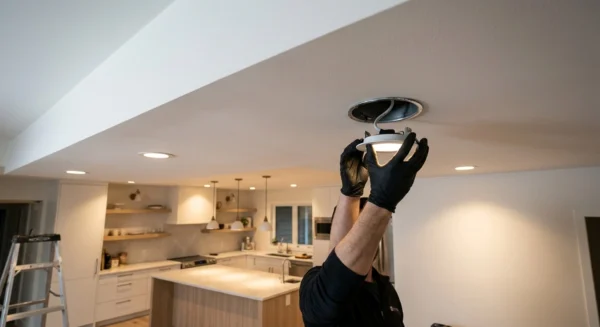
Effective LED cove lighting begins with strategic planning. Measure the space carefully and map out the placement of strips, drivers, and control access points. For long runs over 16 feet, use amplifiers or linkable power supplies to avoid voltage sag and maintain consistent lighting quality.
Use high-density LED tape (120–240 LEDs/meter) for smooth, dot-free effects. Bendable channels and flexible PCB strips are ideal for curved elements or tight spaces. Aluminum channels help with heat management while giving a clean, finished look.
Smart integration elevates function. Platforms like Lutron Caséta, Apple HomeKit, or Leviton Decora Smart offer voice commands, scene automation, and mobile control. With color-changing systems, check compatibility across drivers and controllers to prevent flickering or loss of functionality.
Prioritize safety: never exceed the power capacity of the driver, use only Class 2 power supplies when required, and ensure drivers are housed in ventilated areas. Always disconnect power before wiring, and hire a licensed electrician for complex or permanent installations.
Achieving Exceptional Ambiance and Efficiency
Whether you’re redesigning a cozy bedroom, updating a gourmet kitchen, or accenting a modern office, LED cove lighting offers an unmatched fusion of style and performance. It pairs minimal design with maximum impact, and supports both daily functionality and dramatic flair. With thoughtful planning, quality components, and smart control options, you can craft expressive spaces bathed in the perfect glow—indoors or out.