Neon LED strip lights have transformed modern lighting by blending vintage neon charm with today’s energy-saving LED technology. Perfect for accent and architectural lighting, these flexible lights are ideal for home décor, commercial signage, and creative design projects. With vibrant colors, long-lasting performance, and easy installation, neon LED strip lights are a sleek upgrade over traditional glass neon tubes.
What Are Neon LED Strip Lights?
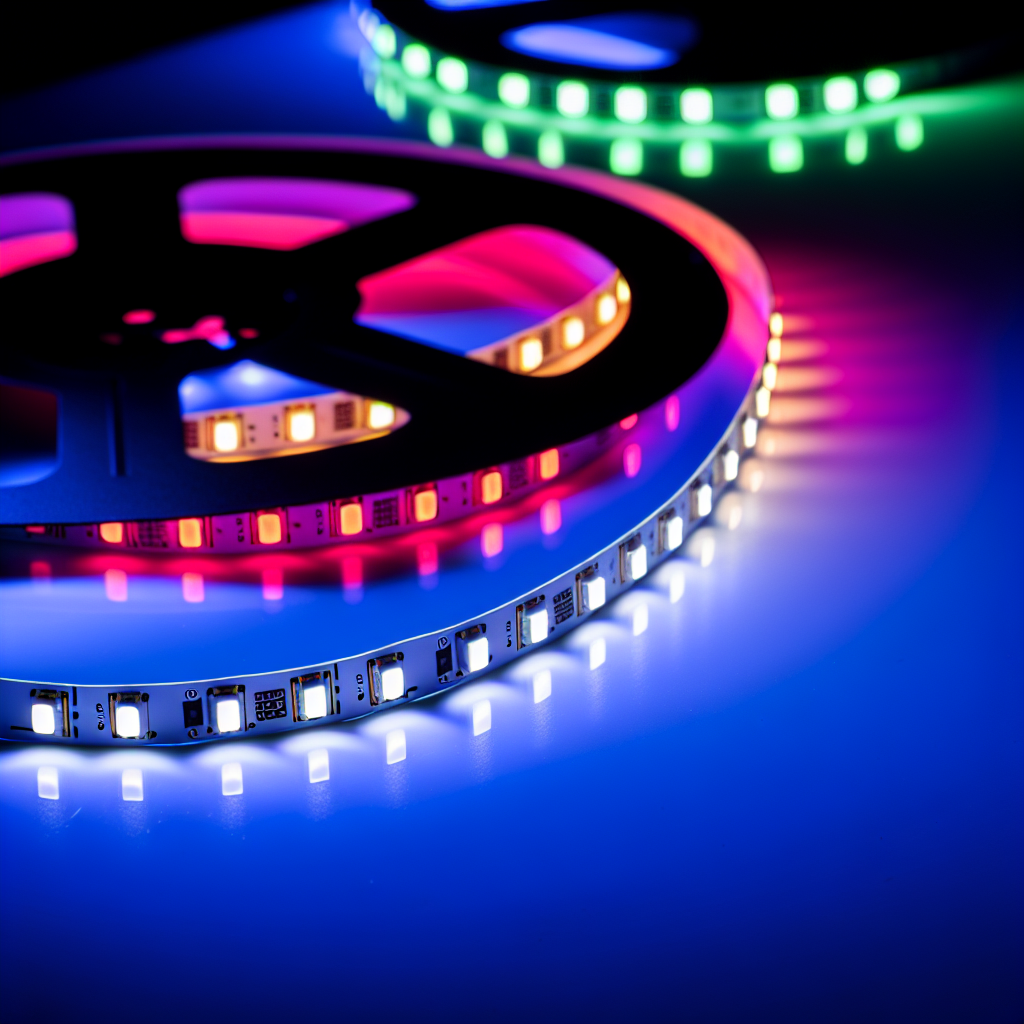
Neon LED strip lights are flexible LED light strips encased in a silicone or PVC diffused sleeve that mimics the appearance of traditional neon tubing. Unlike glass neon signs that use gas-filled tubes, these modern alternatives feature continuous rows of LED chips that emit a smooth, unbroken line of light. This design not only enhances visual continuity but also increases safety and efficiency.
These LED strips offer several key features:
- Voltage: Operate on low-voltage (12V or 24V DC), ensuring safety for residential and commercial use.
- Luminosity: Deliver between 100 and 500 lumens per foot, depending on color temperature and LED density.
- Beam Angle: Wide-angle illumination (typically 120° or more) provides smooth ambient lighting.
- Water Resistance: Commonly rated IP65 to IP68, making them suitable for both indoor and outdoor settings.
Thanks to their flexible and diffused design, neon LED strip lights are perfect for creating clean geometric lines, curved shapes, or custom signage with superior light uniformity and reduced glare.
Indoor Applications and Design Ideas
Neon LED strip lights bring depth and personality to indoor spaces. From understated elegance to bold ambiance, they’re an excellent fit for nearly every room.
Popular indoor applications include:
- Under-cabinet illumination: Add task lighting to kitchens or workspaces without harsh glare.
- Bedroom lighting: Use behind headboards or under beds to create calming, customizable glows with RGB strips.
- Home theater enhancements: Install behind TVs or inside crown molding to reduce eye strain during viewing.
Additional creative ideas:
- Backlit mirrors: Frame bathroom or hallway mirrors with adjustable white tones between 3000K–6000K.
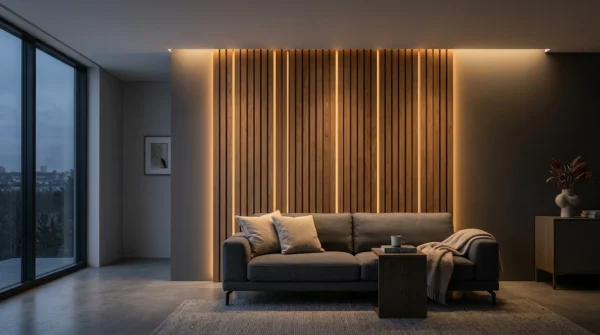
- Cove lighting: Outline ceilings to add visual interest and a floating effect to your room’s architecture.
- Custom furniture accents: Illuminate counters, shelves, or built-in units for a contemporary finish.
Smart neon LED strip lights offer enhanced control through Wi-Fi or Bluetooth apps. Users can choose dynamic effects, set schedules, or sync lights to music using voice assistants like Alexa and Google Assistant. Consider feature-rich models like the Govee RGBIC Neon Rope Light for segmented color control and animation presets.
Outdoor and Commercial Uses
Built for resilience, neon LED strip lights perform well in demanding outdoor environments and commercial applications. Their IP67 or IP68 ratings ensure protection from rain, dust, and debris, making them suitable for patios, decks, garden paths, and architectural outlines.
Common outdoor uses include:
- Landscape borders: Highlight retaining walls or walkways with soft, diffused light for safety and ambiance.
- Poolside glow: Accent pools or spas using UV- and chlorine-resistant materials for durability.
- Garage entryways: Increase visibility and curb appeal with weatherproof white strips (4000K–5000K).
For businesses, neon LED strip lights are ideal for:
- Storefront signage: Create vibrant, eye-catching logos or lettering with flexible side-bend models.
- Bars and clubs: Set immersive moods using RGB or RGBIC strips controlled via DMX or smart hubs.
- Event venues: Use aluminum mounting channels or temporary adhesive strips to light exhibits or trade show booths.
Installation Tips and Tricks
Installing neon LED strip lights can be a smooth process with the right approach. Begin by planning your layout carefully—measure the installation path, mark cut points, and determine needed power connections.
- Use aluminum channels: Improve heat dissipation and maintain rigidity for long horizontal runs.
- Apply securely: Depend on quality adhesive backing or mounting clips for smooth indoor surfaces.
- Seal outdoor ends: Fit waterproof connectors and end caps with silicone to block moisture entry.
Always match the power supply to the strip’s voltage—either 12V or 24V. On runs longer than 16 feet, watch for voltage drop, which can reduce brightness at the far end. Consider using amplifiers or power injection for installations that exceed 32 feet.
Choosing the Right Neon LED Strip Lights
To find the best neon LED strip lights for your needs, consider brightness, color control, location, and flexibility. For ambient indoor lighting, 100–250 lumens per foot is ideal. Outdoor or commercial spaces may benefit from output above 300 lumens per foot.
Key features to compare:
- Color types: Choose between single-color, RGB (basic color-changing), or RGBIC (individually addressable segments).
- Bend direction: Side-bend models are perfect for signs and curved designs; standard options suit straight-line installations.
- Smart control: Look for Wi-Fi or app compatibility, remote dimming, and voice control via smart home systems.
- Operating temperature: Outdoor-rated lights function reliably between -4°F to 122°F (-20°C to 50°C).
Ensure safety and quality by purchasing products with UL or CE certification. For wet environments, verify IP ratings: IP65 for splash-resistance, IP67 for heavy rain or submersion, and IP68 for continuous water exposure.
Energy Efficiency and Cost Savings
Neon LED strip lights consume dramatically less energy than traditional glass neon lamps. While vintage neon may use 15–20 watts per foot, LED alternatives require just 4–12 watts per foot, depending on brightness and features.
Example: A 10-meter RGB neon LED strip running five hours per day at 10W per meter uses approximately 150 kWh annually. At a $0.13/kWh rate, energy costs are under $20 per year—versus $70+ for older systems. That’s over 70% in energy savings.
Additionally, with lifespans exceeding 30,000 hours, neon LED strip lights minimize replacement costs. This is especially valuable in retail, hospitality, and hard-to-access installations like ceilings or signage facades.
Safety Tips for Neon LED Strip Lights
Neon LED strip lights run at low voltage and remain cool to the touch, enhancing safety during use. Still, safe installation and handling practices are essential to prevent hazards.
Follow these safety guidelines:
- Use UL-listed power supplies: Select options with short-circuit and overload protection for dependable performance.
- Avoid over-modification: Only cut at marked points, and never bypass designed limitations.
- Use proper connectors: Avoid electrical shorts or power inconsistencies by using manufacturer-recommended accessories.
- Seal outdoor installations: Finish open cut points with end caps and silicone to prevent corrosion or shock.
For homes with children or public access areas, mount strip lights flush with surfaces and out of reach to reduce tripping and tampering risks. Choose products that comply with ADA lighting standards if applicable.
Why Neon LED Strip Lights Stand Out
Neon LED strip lights have redefined what’s possible in decorative and functional lighting. Their energy efficiency, variety of styles, and flexible installation options make them a superior choice for both indoor and outdoor projects. From architectural accents to signage and immersive lighting scenes, they strike the perfect balance between form and function.
Whether you’re a homeowner looking to elevate a living space or a business owner enhancing brand visibility, neon LED strip lights deliver long-lasting luminosity with bold, modern flair.