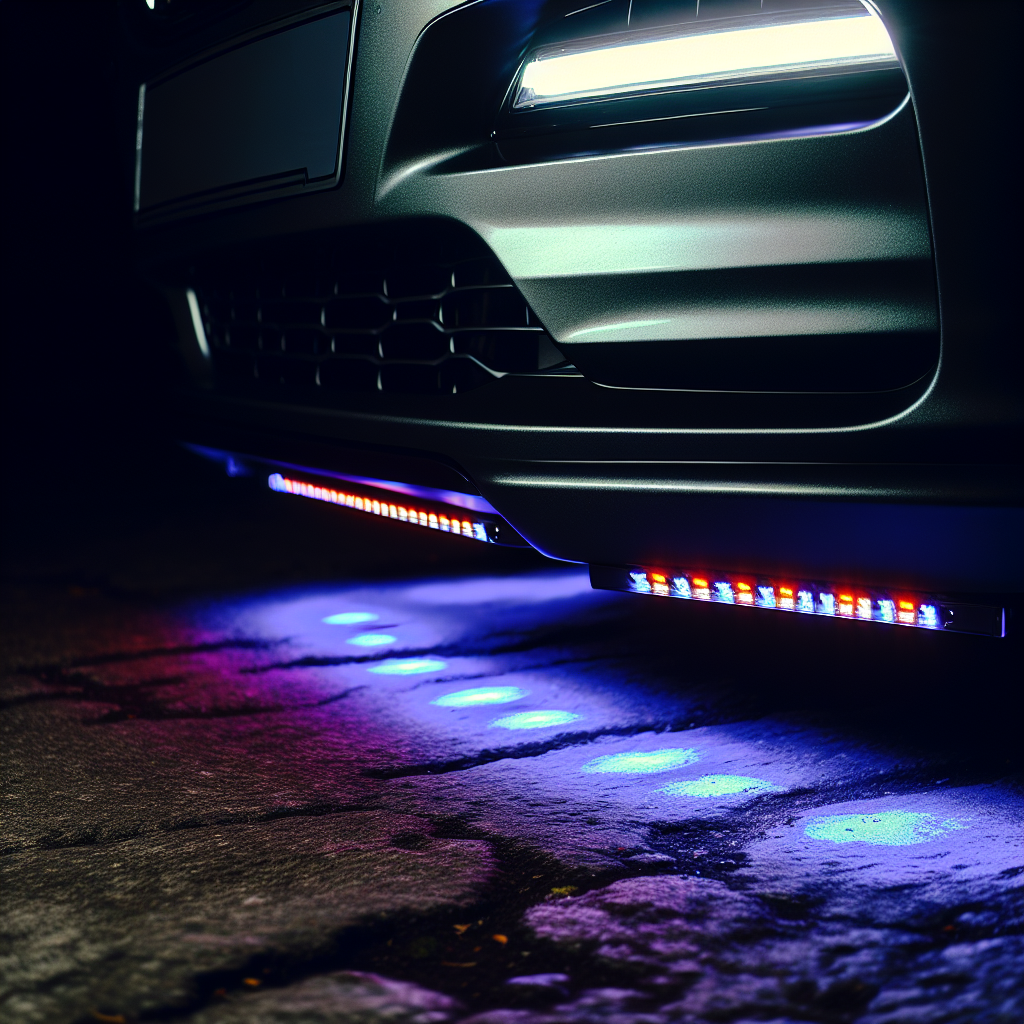
Adding automotive LED light strips is one of the most effective ways to modernize your vehicle—whether you’re upgrading visibility for safer nighttime driving, enhancing style, or replacing outdated stock lighting. These energy-efficient, flexible lighting solutions are a favorite among DIY enthusiasts, custom builders, and commercial fleet operators thanks to their affordability and wide range of features.
Why Choose Automotive LED Light Strips?
Automotive LED light strips combine style and performance. Compared to halogen or incandescent lighting, LED technology offers superior brightness per watt, extended durability—up to 50,000 hours—and reduced energy consumption. Running cooler than traditional lighting systems, LEDs are also available in multiple color temperatures and RGB configurations, making them perfect for both interior and exterior vehicle projects.
Here are the top benefits of installing LED light strips in your vehicle:
- Energy Efficiency: LED strips use less power, putting minimal strain on your vehicle’s battery—crucial for older vehicles or custom builds.
- Custom Brightness Options: Whether you want subtle accent lighting (30–50 lumens) or bold underglow (1,000+ lumens/meter), there’s an LED strip for every need.
- Flexible Mounting: Waterproof and 12V-compatible designs allow placement in footwells, engine bays, under dashboards, truck beds, or along grilles.
- Color Temperature Range: Fixed white strips from 2700K to 6000K offer clear visibility or warm ambiance, depending on the mood you’re aiming for.
- Smart Integrations: Many options support Bluetooth, Wi-Fi, and app control—plus compatibility with voice assistants like Alexa and Google Assistant.
Best Places to Install Automotive LED Light Strips
Strategic placement can significantly improve both the practicality and style of your lighting setup. Knowing where to install automotive LED light strips ensures your system performs effectively while complying with safety standards. Here are popular installation zones for optimal impact:
- Interior Footwells: Provide a subtle glow for better cabin visibility and a modern look. Easily mounted with adhesive strips along the trim.
- Under Dashboards: Highlights your dash’s contours and enhances depth perception when driving at night.
- Door Panels: Improve entry and exit visibility; often paired with dome or courtesy lights.
- Trunk and Bed Areas: White LED strips with 400–600 lumens help with loading cargo in low-light conditions.
- Exterior Underglow: Popular for show vehicles, these RGB-enabled strips add dramatic flair beneath the chassis.
- Engine Bay Lighting: For maintaining or displaying your engine, install waterproof, heat-resistant strips.
- Grille and Headlamp Accents: Slimlight strips enhance visibility at the front without replacing OEM lights.
Before applying any exterior-facing LED strips, check your local laws—multi-color or flashing lights may not be street-legal in some jurisdictions.
How to Choose the Right Automotive LED Light Strips
Selecting the right automotive LED light strips depends on your lighting goals, environment, and vehicle setup. Consider the following specs when making a purchase:
- Voltage Requirements: Most vehicles use 12V DC systems. Always confirm voltage compatibility before installing.
- Waterproofing (IP Ratings): For outdoor or exposed installs, use IP65-rated strips. Higher ratings like IP67 are best for dusty engine bays or wet wheel wells.
- Lumens & Brightness: Interior lighting may need as little as 50 lumens, while exterior underglow systems can exceed 1,000 lumens per meter for full visibility.
- Color Types: Choose fixed white in various color temperatures or select RGB/RGBIC strips for dynamic, animated lighting effects.
- Control Options: Go with simple in-line switches or use smartphone apps for advanced voice control, music sync, and timed automation.
- LED Density: More LEDs per meter (e.g., 60–120) provide smoother, more even light output—ideal for visible applications.
- Mounting Backing: Quality adhesive backing like 3M automotive-grade tape improves durability. In motion-heavy zones, reinforce with zip ties or silicone channels.
Highly rated LED brands include Govee, OPT7, Diode Dynamics, and XKchrome. For premium results, professional-grade kits from Oracle Lighting provide CANbus-compliant wiring and high-output CREE LEDs.
Installation Guide for Automotive LED Light Strips
Installing automotive LED light strips is a satisfying DIY project. Most setups can be completed in one to three hours depending on complexity. Follow these general steps for safe and efficient installation:
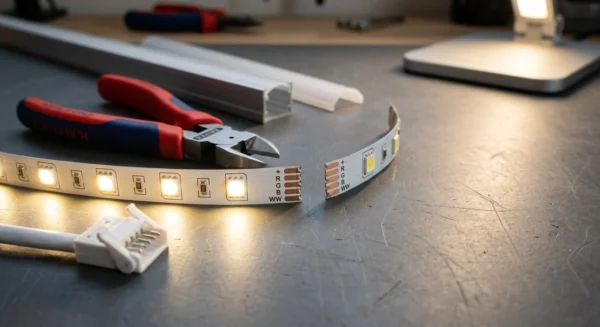
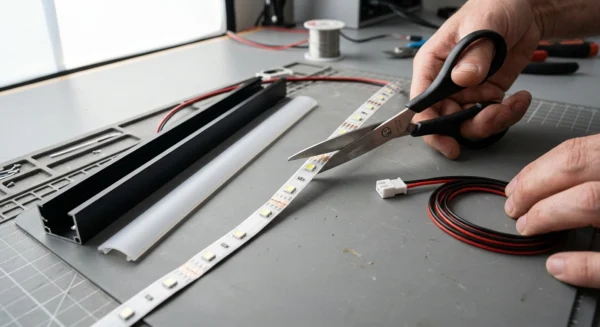
- Plan the Layout: Measure installation areas, determine strip lengths, and identify wiring routes. Clean all mounting surfaces ahead of time.
- Power the Strips: Connect to a 12V cigarette lighter, a fuse tap, or directly to the battery. Always include an inline fuse (5–15A).
- Mount the Strips: Firmly press adhesive backing into clean surfaces. In tough environments, use clips or silicone channels for extra support.
- Hide the Wiring: Use wire loom or heat shrink tubing to protect cables. Whenever possible, run wires through grommets or behind trim panels.
- Test Functionality: Before sealing everything in place, turn the system on to check polarity, brightness, and color settings.
- Secure the Controls: Place Bluetooth modules or remote receivers in accessible, ventilated locations, such as under the dash or in the glove compartment.
- Finalize & Inspect: Zip-tie any excess wiring, ensure all connections are firm, and inspect for heat or wear exposure points.
If you’re integrating with smart hubs or CANbus systems, consult a professional or detailed wiring schematics to prevent compatibility and warranty issues.
Expert Tips for Maximum LED Performance
Get the most out of your automotive LED light strips by following these expert-approved practices for longevity and peak output:
- Use Compatible Drivers: Ensure all strips and zones are paired with controllers that match voltage and signal format to avoid flickering.
- Provide Adequate Ventilation: Even efficient LEDs produce heat. Do not install between tight metal panels without airflow.
- Install Dimmers: Scale brightness for better visibility and driving comfort, especially at night or inside the cabin.
- Calculate Power Demand: Add the total wattage of your strips to avoid overloading circuits. A 5A 12V source supports up to 60 watts safely.
- Inspect Regularly: Every six months, check adhesion, wiring, and connectors—especially in harsh climates or on off-road vehicles.
For commercial fleets or high-mileage vehicles, look for DOT-compliant or SAE J578-certified lighting kits with built-in overcurrent protection.
Smart Lighting Features and Automation
Modern automotive LED light strips do more than glow—they integrate with your digital lifestyle. Many products from brands like Govee and XKchrome support app control, mood presets, and even geofencing. High-end kits work with IFTTT or Android Auto for intelligent automation.
Smart features to look for include:
- Music Sync: Create real-time audio-reactive light shows using a built-in microphone or app integration.
- Voice Commands: Control lights using Alexa, Google Assistant, or Siri Shortcuts for hands-free functionality.
- Automated Routines: Schedule lighting to activate with driving patterns—like underglow lighting when unlocking via your smartphone or key fob.
With the right setup, your vehicle’s lighting becomes a seamless part of both its style and control system—offering wow-worthy visuals and real-world utility.