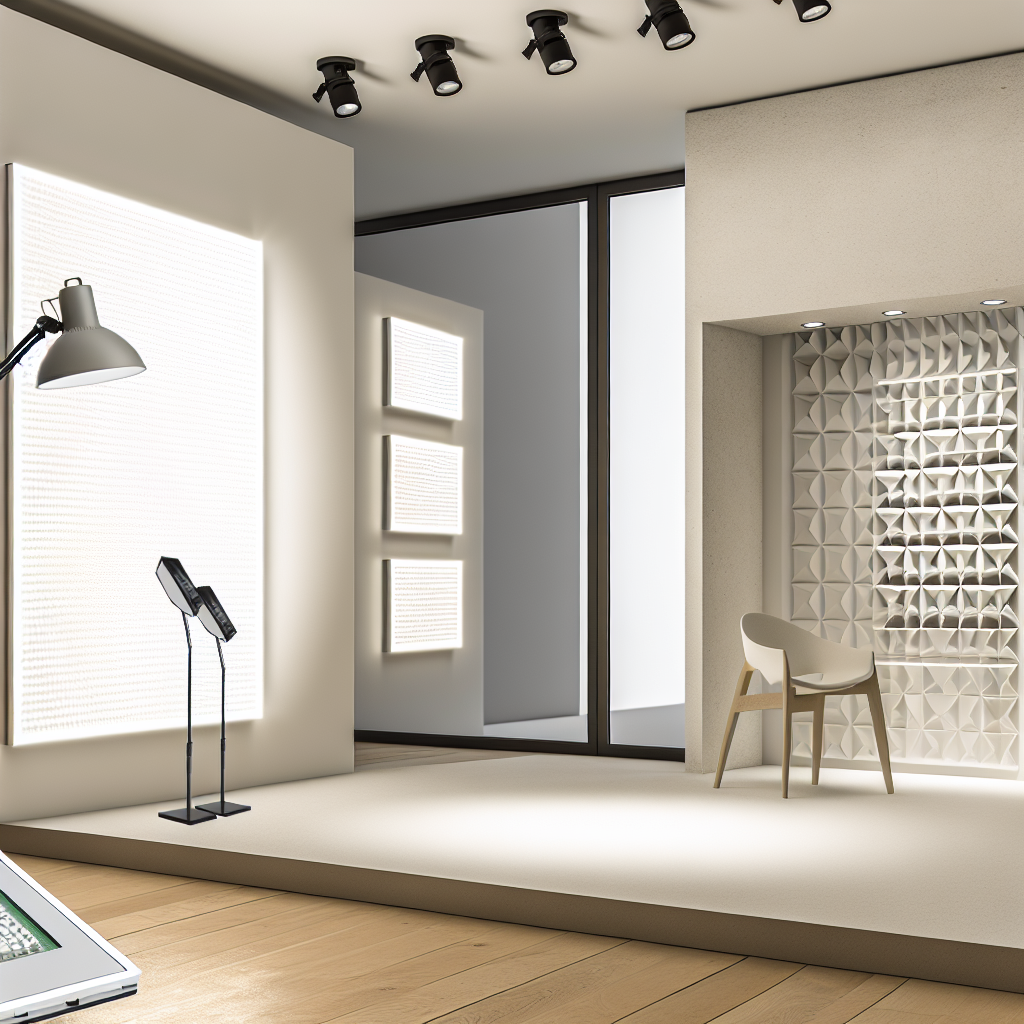
The future of LED lighting technology is evolving rapidly, introducing cutting-edge innovations that advance well beyond energy efficiency and longevity. As breakthroughs like MicroLEDs and 3D-printed lighting gain traction in mainstream applications, homeowners, designers, and commercial property managers are reimagining the role of lighting — not just in aesthetics, but in function. These emerging technologies redefine what’s possible in smart homes, architectural spaces, and outdoor landscapes. With ultra-precise color control, flexible design options, and lower power consumption, understanding the future of LED lighting technology can help you make informed, future-proof lighting choices.
MicroLED: A Game-Changer in LED Lighting Design
MicroLED is transforming the future of LED lighting technology with its ultra-efficient, high-performance capabilities. Initially developed for high-end displays, MicroLEDs are now being integrated into lighting solutions across residential and commercial settings. Unlike conventional LEDs, MicroLEDs are self-emissive and composed of microscopic red, green, and blue diodes that offer exceptional control over color accuracy, brightness, and beam direction.
These features result in lighting systems with over 1000 lumens per watt and virtually zero flicker. In homes, that means smoother ambient light for kitchens and offices, with minimal blue-light exposure. For commercial use, MicroLED fixtures provide dynamic lighting that can shift seamlessly from 2700K warm tones to 5000K daylight, adapting to time of day or work task with pinpoint consistency. Their dimmable output and high color-rendering index (CRI) offer ideal conditions for galleries, boutiques, and office spaces demanding precise and reliable lighting.
While MicroLED systems are currently premium-priced, projections indicate a 40% cost drop within three years. Specifying MicroLED-ready infrastructure today — including advanced dimming drivers and DMX or DALI-compatible controls — makes future upgrades easier and more cost-effective.
3D Printing and the Customization Revolution in LED Lighting
Another exciting development in the future of LED lighting technology is the integration of 3D printing in fixture production. Leading manufacturers like Signify are embracing this approach to create custom lighting using recycled plastics and bio-based resins. This shift not only reduces waste and shipping emissions, but also enables highly personalized, on-demand fixture design tailored to unique spaces and aesthetics.
Designers can now craft pendant lights, sconces, or ceiling fixtures that exactly match cabinetry textures or coordinate with appliance colors. 3D-printed housings are lighter than traditional metals, making them perfect for retrofits and delicate ceiling conditions. These fixtures pair seamlessly with LED modules offering tunable beam angles — from focused 20° spots to wider 60° floods — for customizable lighting experiences in kitchens, hallways, or living rooms.
In the hospitality sector, 3D printing provides a competitive edge. Hotels and restaurants can create bespoke luminaires aligned with brand palettes or decorative themes while still meeting IP and fire-resistance ratings. Localized production helps avoid international shipping delays and enhances overall project timelines.
Smart Lighting Integration: Smarter, Greener, and More Convenient
The future of LED lighting technology is increasingly tied to smart ecosystem compatibility. As MicroLED and 3D-printed solutions evolve, their integration with platforms like Google Home, Apple HomeKit, and Matter empowers users with full automation. Lighting can now adapt to occupancy, daylight levels, and even air quality — optimizing both energy use and user comfort.
Advanced smart systems incorporate circadian lighting features, adjusting color temperature throughout the day to support natural sleep and wake cycles. For instance, a tunable LED panel might begin the day at a warm 2200K, shift to a crisp 6500K midday, and then ease back to a cozy glow in the evening. These panels often use less than 15 watts while emitting over 1500 lumens, lasting up to 50,000 hours with minimal upkeep — a significant benefit for both residential and commercial users.
Outdoor smart LEDs now feature integrated cameras and motion detection. Products like Ring Floodlight Cam Pro are being enhanced with MicroLED arrays to improve clarity and reduce glare. Users can fine-tune beam angles and brightness via mobile apps, and CRI levels of 90+ deliver accurate visibility even in nighttime conditions.
To install smart LED lighting effectively, confirm compatibility with dimmer systems. Use ELV (electronic low-voltage) or phase-adaptive dimmers and ensure the system supports over-the-air firmware updates for future protocols like Zigbee 3.0 and Thread.
Design Placement Tips: Leveraging Next-Gen LED Innovations
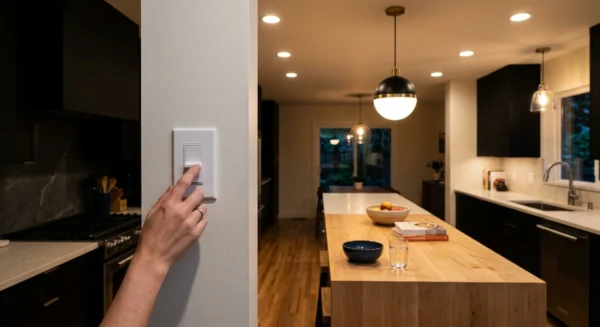
Incorporating the future of LED lighting technology into your design plan requires thoughtful application. For residential projects, ultrathin MicroLED ceiling panels provide even light distribution in family rooms and kitchens. Their less-than-10mm profile allows for minimal-framing installations, and control is available via app, voice, or wall switches.
Use 3D-printed sconces in hallways or powder rooms for eye-catching style at a reduced cost compared to artisan glass. Ensure they meet area-specific standards such as IP44 for moisture-prone indoor spaces or IP65 for outdoor installations.
In office settings, tunable MicroLED pendants paired with daylight harvesting and occupancy sensors can cut energy costs by up to 40% while supporting productivity through adaptive lighting. Meanwhile, retail showrooms benefit from narrow-beam MicroLED track lights. Their adjustable color temperatures (2700K–5000K) and beam spreads (10–24°) allow precise illumination without UV risk, preserving products from fading over time.
Looking Ahead: Smart, Sustainable, Tailored Illumination
The future of LED lighting technology represents an intersection of personalization, sustainability, and performance. MicroLEDs offer pinpoint brightness in ultra-thin, long-lasting formats, while 3D printing opens new doors in design and resource efficiency. These advances are redefining how light enhances mood, function, and aesthetics across residential and commercial environments.
As you plan your next upgrade or design project, go beyond basic specs like wattage and bulb life. Consider how features like tunable white (e.g., 4000K for kitchen tasks), optimal beam angles (30° or lower for accent lighting), and intelligent dimming compatibility can align with your goals. These daily-use decisions are now backed by smarter, greener tech that adapts with you.
Whether you’re exploring smart outdoor lighting that reacts to real-time weather or MicroLED panels that simulate daylight indoors, staying attuned to the latest in the future of LED lighting technology positions you for better outcomes — in comfort, performance, and efficiency. As innovations expand and costs drop, these technologies will anchor the lighting landscape of tomorrow.