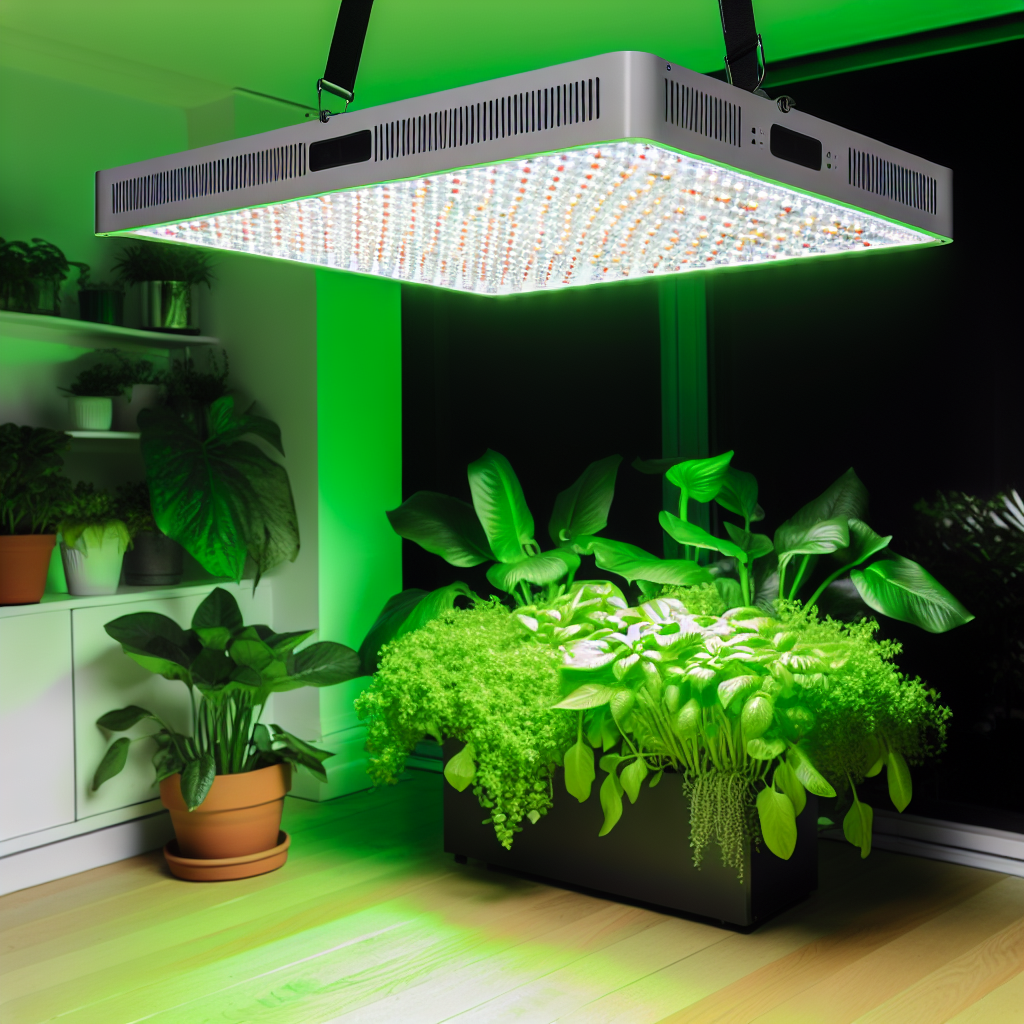
Finding the right LED full spectrum grow light is essential for anyone looking to grow healthy, high-yield plants indoors. From apartment dwellers with countertop herb gardens to facility managers overseeing large-scale vertical farms, the latest lighting technology brings a sunlight-like spectrum into indoor spaces. Designed to replicate the entire photosynthetically active radiation (PAR) range, these advanced lights are reshaping how we approach indoor gardening.
Why Invest in an LED Full Spectrum Grow Light?
The modern LED full spectrum grow light offers significant advantages over legacy technology like fluorescent or high-pressure sodium bulbs. Energy efficiency, longer operational lifespan, and precise spectral output make these fixtures ideal for all plant development stages—from germination through flowering. Their spectrum typically includes blue (approximately 450nm), red (around 660nm), and far-red light (near 730nm) wavelengths, all critical for plant metabolism and growth.
In practical applications, this lighting suits everyone from a Seattle homeowner growing salad greens in a kitchen rack to a commercial cultivator in Denver operating tiered hydroponic systems. Full spectrum lighting also allows for better visual monitoring of plant health and creates welcoming biophilic environments in living spaces or office interiors.
Top LED Full Spectrum Grow Lights for Indoor Cultivation
We tested and analyzed various models based on PAR output, build quality, ease of use, energy consumption, and smart features. Below are three highly rated options catering to diverse indoor growing needs.
1. Spider Farmer SF-2000
- Wattage Draw: 200W
- PPFD: 1020 μmol/m²/s at 18”
- Coverage Area: 2’ x 4’ (veg), 2’ x 2’ (bloom)
- Diodes: Samsung LM301B with IR
This mid-sized grow light makes professional results possible for home growers. The full spectrum includes infrared to support flowering stages. A daisy chain feature allows you to expand setups, and installation is easy with included rope hangers. Ideal for closets and small greenhouses, it delivers consistent coverage and high output at an accessible price.
2. HLG 600 Rspec
- Wattage Draw: 600W
- PPFD: ~1500 μmol/m²/s at 24”
- Coverage Area: 5’ x 5’ (veg), 4’ x 4’ (bloom)
- Spectrum: 3500K white + deep red (660nm)
Engineered for commercial use, this high-efficiency grow light achieves up to 2.70 μmol/joule. Its aluminum heat sink prevents overheating and promotes diode longevity. Dimmable and compatible with digital timers and smart controls, the HLG 600 Rspec fits well in grow tents or scientific environments looking to simulate natural lighting cycles.
3. Mars Hydro TS1000
- Wattage Draw: 150W
- PPFD: 743 μmol/m²/s at 18”
- Coverage Area: 3’ x 3’ (veg), 2’ x 2’ (bloom)
- Spectrum: Full white + IR (660nm)
The TS1000 is a strong performer in small indoor grow rooms or low-clearance setups. Its onboard reflective hood concentrates light effectively, and a noiseless fanless design ensures it won’t disrupt quiet environments. This model is especially useful for apartments, bedrooms, or offices where ambient sound and space are limited.
Key Features to Evaluate in a Quality Grow Light
To select a top-performing LED full spectrum grow light, assess the following specifications to match your growing goals and space constraints:
- Spectrum Range: Ensure coverage of blue (400–500nm), green (500–600nm), red (600–700nm), and far-red (700–750nm) wavelengths.
- Power Efficiency: Look for ratings above 2.5 μmol/joule with wattage draws appropriate for your grow space.
- Thermal Management: Choose designs equipped with efficient heat sinks or integrated cooling systems to maintain optimal diode temperature.
- Coverage Consistency: Review manufacturer PPFD maps to confirm uniform intensity across your desired footprint.
- Mounting Flexibility: Opt for lights with adjustable hanging systems and built-in dimmers for easy calibration throughout all plant stages.
- Control and Automation: Tech-savvy growers should favor models with remote dimming features or compatibility with smart home platforms.
Pro tip: For quiet indoor spaces, go with passive-cooled lights. In warmer areas or dense grow rooms, supplement with external fans to ensure adequate airflow.
Installation Best Practices for Indoor Grow Lighting
While most LED full spectrum grow light systems are built for indoor use, some models with weatherproof certifications can supplement natural light in protected outdoor environments like greenhouses or patios. Keep these setup guidelines in mind:
- Indoor Mounting: Hang fixtures at the manufacturer-recommended distance (usually 12–24”) from your plant canopy. Use pulley systems for height adjustments as plants mature.
- Safe Power Use: Plug lights into grounded GFCI outlets. Avoid daisy-chaining too many units on a single circuit.
- Maintain Darkness: Prevent external light leakage during night cycles for flowering plants. Enclosures or blackout curtains maintain optimal photoperiods.
- Outdoor Greenhouses: Use IP65+ rated lights with sealed connectors in partially enclosed or temperature-controlled spaces.
As plants grow, adjust the height and angle of your lights using telescopic rods or adjustable chains for optimal coverage at each growth milestone.
Balancing Cost and Energy Efficiency
Upfront, a high-quality LED full spectrum grow light can cost between $120–$700 depending on wattage and features. But long-term savings emerge quickly thanks to energy efficiency and durability. Compared to outdated HID systems, LEDs cut power use by up to 50% and typically last beyond 50,000 operational hours—equivalent to over eight years of regular use.
For example, switching from a 600W HPS bulb to a 300W LED model running 18 hours per day can save over $100 annually in electricity. Lower heat output can also reduce air conditioning needs, further reducing costs.
Additionally, many jurisdictions offer rebates for using energy-efficient grow equipment. Commercial growers should check with local utilities for incentives on approved models.
Smart Lighting Features and Preparing for the Future
Lighting is becoming smarter. Many premium LED full spectrum grow light models now include app-based controls, smart timers, or voice assistant compatibility (e.g., Alexa, Google Home). These features simplify scheduling, offer sunrise-sunset simulations, and enable precision dosing of daily light integrals (DLI).
Some advanced systems also offer firmware updates and modular expansion ports. This makes them future-proof tools for research labs, hydroponics enthusiasts, and growers testing spectral effects on flowering cycles or crop coloration.
Whether you’re cultivating lettuce in a Manhattan condo, houseplants in a Dallas loft, or green onions in a Phoenix greenhouse, your lighting setup can make or break your yields. A carefully chosen LED full spectrum grow light brings consistent results, reduces long-term costs, and sets the foundation for a productive indoor garden.