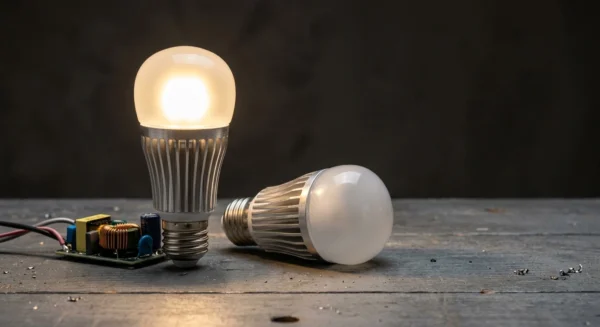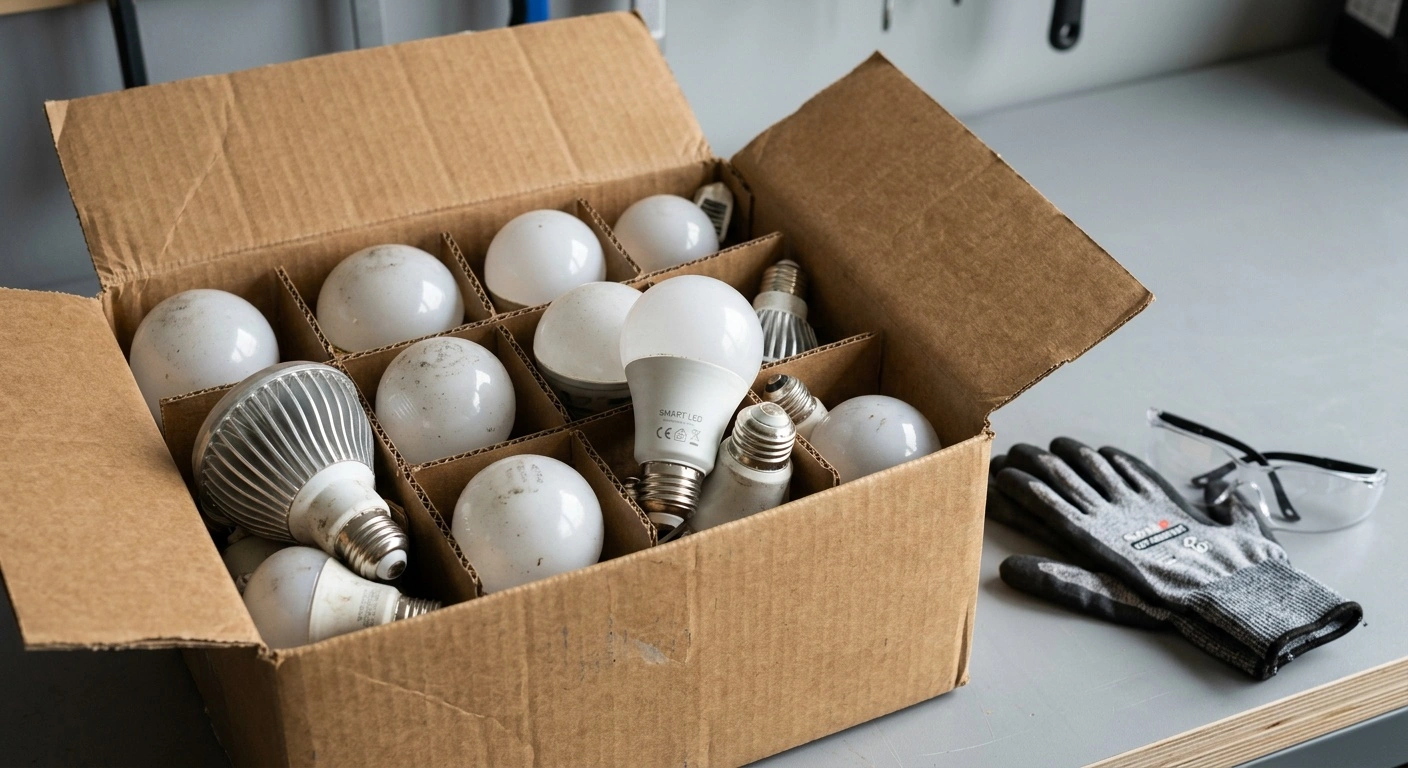
How to dispose of LED light bulbs depends on local waste rules. In most areas, a lamp-recycling or household electronics program offers the best option. Standard LED bulbs contain no mercury, but they do contain circuit boards, drivers, aluminum, plastics, glass, and recoverable metals.
Do not put LED bulbs in curbside recycling unless your local authority specifically accepts them. Their mixed materials can damage glass-processing equipment, and bulbs may break during collection. If local rules permit trash disposal, wrap each intact bulb to protect sanitation workers.
Smart bulbs, rechargeable lamps, and emergency bulbs need extra care. Their electronic controls or internal batteries may require an approved e-waste or battery collection program.
How to Dispose of LED Light Bulbs: Quick Answer
First, identify the product as a replaceable LED bulb, tube, integrated fixture, or battery-backed lamp. Then check the official website for your city, county, or waste authority. Search for “LED lamps,” “light bulbs,” “electronic waste,” and “household hazardous waste.”
Use a lamp recycler, household e-waste site, or approved take-back program when available. Recycling keeps electronic parts and useful metals out of the waste stream. Local instructions take priority because disposal laws and accepted materials vary.
Never place loose LED bulbs in a curbside glass bin. Also, confirm that a retailer accepts LEDs before taking bulbs to the store.
| LED product | Preferred disposal route | Key concern |
|---|---|---|
| Standard screw-base or pin-base LED bulb | Lamp or household e-waste recycling | Mixed glass, plastic, metal, and electronics |
| LED tube | Lamp recycler or approved collection site | Long glass or plastic body can break during handling |
| Smart LED bulb | Electronics or lamp recycling | Contains wireless controls and circuit boards |
| Rechargeable or emergency LED bulb | Battery-aware e-waste program | Internal battery may create a fire risk |
| Integrated LED fixture | Fixture or electronics recycling where accepted | Housing contains the driver and LED boards |
| Broken LED bulb | Sealed container followed by the locally approved route | Sharp glass, ceramic, or plastic fragments |
What You Need
Skill level: Beginners can handle loose household bulbs. Hire a licensed electrician if removal requires opening a hardwired fixture or junction box. Handling each loose bulb usually takes only a few minutes.
Tools and supplies:
- Cut-resistant work gloves
- Safety glasses, especially for damaged bulbs or tubes
- A sturdy cardboard box or rigid plastic container
- Paper, corrugated cardboard, or the bulb’s original sleeve
- Tape for closing the container
- A sealable bag or lidded container for broken pieces
- Stiff paper or cardboard for collecting fragments
- A permanent marker for labeling the container
- Access to an official waste, e-waste, or hazardous-waste directory
You do not need a mercury spill kit for an ordinary LED bulb. LEDs do not use mercury to produce light. However, never identify a lamp by shape alone.
A linear LED tube can closely resemble a fluorescent tube. If you cannot identify an unmarked lamp, keep it intact and treat it as fluorescent. Take it to a collection program that handles mercury-containing lamps.
Steps for Disposing of Used LED Bulbs
- Let the bulb cool. Switch it off and wait until the housing feels comfortable to touch. You should feel no residual heat through your glove.
- Disconnect the power. Unplug a table or floor lamp before removing the bulb. For a conventional replaceable ceiling bulb, switch off the light and make sure no one can turn it on.
- Remove the bulb by its base. Turn a screw-base bulb counterclockwise. Follow the socket instructions for a pin-base lamp, and avoid twisting or squeezing the diffuser.
- Identify the lamp type. Look for an LED marking, model number, solid driver base, or manufacturer label. Classify the product as a standard LED, smart bulb, LED tube, battery-backed lamp, or unknown lamp.
- Inspect the housing and battery. Check emergency bulbs, portable lamps, and smart products for battery compartments. Look for cracks, swelling, leakage, scorching, or loose parts.
- Check local disposal rules. Search the official website for your city, county, or waste authority. Confirm that its accepted-material list specifically mentions LED lamps, light bulbs, or household electronics.
- Package intact bulbs. Place each bulb in its original carton or loosely wrap it in paper or corrugated cardboard. Put the protected bulbs in a rigid box so they cannot strike one another.
- Label and store the container. Mark the box “Used LED Lamps.” Keep it dry, upright, and away from children, pets, traffic, and heat.
- Use the confirmed collection point. Follow the facility’s quantity limits, appointment rules, and packaging instructions. Hand the bulbs to an attendant or place them in the designated collection system.
- Use household trash only when local rules allow it. Wrap each intact, non-battery LED bulb and place it in a closed container. Put that container in regular trash, not curbside recycling.
Removing Bulbs and Integrated Fixtures Safely
A replaceable bulb in a table lamp presents few removal problems. Ceiling fixtures, however, add fall and electrical hazards. Set a stable stepladder on a level floor and avoid pulling down on the socket.
If a bulb sticks, disconnect the power and follow the manufacturer’s removal method. Do not crush the diffuser with pliers. Call an electrician if the socket moves, sparks, shows heat damage, or holds a broken bulb base.
An integrated LED fixture has no standard replaceable bulb. Its LED board and driver form part of the complete luminaire. Removing a hardwired fixture requires access to line-voltage conductors inside a junction box.
Hire a licensed electrician for that work unless you have the necessary electrical training. A wall switch may not de-energize every conductor in the box. Never guess which breaker controls the circuit.
If you plan to install a new fixture, choose a UL- or ETL-listed product for the location. Use a dry-, damp-, or wet-location rating that matches the actual exposure. Outdoor fixtures exposed to rain need a different rating than fixtures under a covered porch.
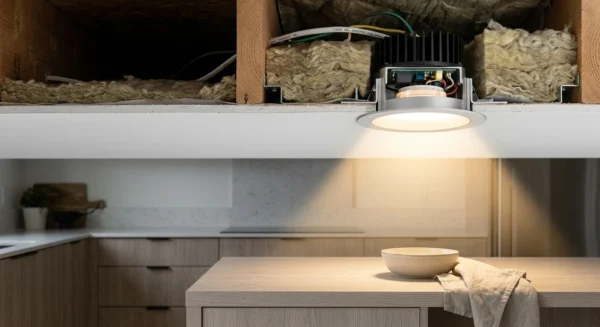
Check enclosed fixtures before installing screw-in LED bulbs. The bulb packaging should specifically approve use in enclosed housings. Trapped heat can shorten the life of the driver and LEDs.
Why LED Bulbs Do Not Belong in Curbside Recycling
Municipal recycling programs usually process selected containers, paper, and metal products. An LED bulb combines several materials that require separation. Its diffuser may contain glass or plastic, while its base, heat sink, and driver contain metals and electronics.
A complete LED bulb can contaminate a container-glass load. Broken pieces may also expose sorting workers to sharp fragments. Specialized processors can dismantle or crush lamps under controlled conditions.
A recycling symbol on the plastic diffuser does not make the complete bulb curbside recyclable. Likewise, the metal screw base does not qualify the assembled lamp as scrap metal. The entire product must go through a program that accepts lamps or electronics.
Programs use different category names. Some list LEDs under “lamps,” while others use “household electronics.” A collection event may also accept bulbs that a permanent drop-off site refuses.
Always review the accepted-material list before making a trip. If the website lacks details, call the facility and describe the exact bulb type.
LEDs, CFLs, and Fluorescent Tubes Need Different Handling
LED bulbs and compact fluorescent lamps belong to different disposal categories. CFLs and traditional fluorescent tubes contain a small amount of mercury. Take them to a mercury-lamp recycler or household hazardous-waste program.
Standard LEDs contain no mercury. However, their drivers and circuit boards make dedicated recycling preferable. Local rules may still allow intact, non-battery LEDs in household trash.
Shape does not reliably identify the technology. A linear LED tube may look almost identical to a fluorescent tube. If you cannot verify the type, package the lamp intact and tell the collection facility that it is unknown.
| Lamp type | Contains mercury | Recommended handling | Avoid |
|---|---|---|---|
| Standard household LED | No | Lamp or e-waste recycling where available | Putting it loose in curbside recycling |
| Smart LED bulb | No | Electronics or lamp recycling | Breaking it apart for components |
| CFL | Yes | Mercury-lamp or household hazardous-waste program | Putting it in a curbside recycling bin |
| Fluorescent tube | Yes | Mercury-lamp recycler with protective packaging | Snapping it to fit a container |
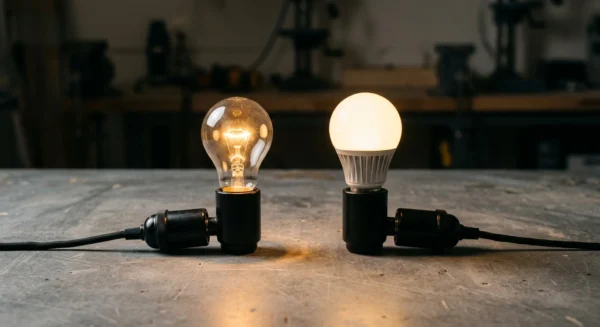
| Incandescent or halogen bulb | No | Local trash or specialty recycling route | Putting it in container-glass recycling |
How to Handle a Broken LED Bulb
A broken LED bulb presents a cut and debris hazard, not a mercury-vapor emergency. Keep children and pets away from the area. Put on gloves and safety glasses before starting cleanup.
Collect large pieces with stiff paper or cardboard. Use adhesive tape to pick up small fragments, then wipe the area with a damp disposable cloth. Never handle sharp pieces with bare hands.
Collect visible debris manually before using a vacuum. A vacuum can scatter fragments or hold sharp material inside the machine. If you must vacuum remaining dust, follow the appliance instructions when emptying it.
Place the fragments, cleanup materials, and bulb base in a sealable bag or rigid lidded container. Label it “Broken LED Lamp.” Ask the collection site whether it accepts broken bulbs because some programs accept only intact lamps.
If local rules direct broken, non-battery LEDs to household trash, use a puncture-resistant container. Close it securely so fragments cannot injure sanitation workers.
Smart Bulbs and Battery-Backed LEDs
A smart LED bulb contains a radio, control board, power supply, and LEDs. Take it to an electronics or lamp recycler when possible. This route recovers more material than household trash.
Reset the smart bulb before disposal to disconnect it from your home system. The reset procedure varies by manufacturer. Check the product manual or support page for the correct sequence.
Rechargeable emergency bulbs, cordless work lights, solar lights, and portable lamps may contain rechargeable batteries. Common battery types include lithium-ion and nickel-metal hydride. These products need a battery-aware e-waste program.
Do not put a lithium-ion battery product in household trash or curbside recycling. Collection trucks and sorting equipment can crush the cell and start a fire. Take the complete lamp to a program that explicitly accepts battery-containing electronics.
Do not pry open a sealed bulb to reach its battery. Follow the manufacturer’s procedure only when it provides a user-removable battery. Keep exposed terminals from touching metal during storage and transport.
A swollen, leaking, punctured, smoking, or unusually hot product needs special handling. Move people away and contact the local fire authority or battery-waste program. Do not mail it or transport it in a closed vehicle without direct guidance.
Commercial Quantities Need a Documented Plan
A homeowner replacing several bulbs faces different rules than a facility relamping an office, school, hotel, or apartment building. Commercial waste rules may impose accumulation limits, transportation requirements, and recordkeeping. Identify every lamp type before work begins.
Arrange suitable collection containers with the recycler. Keep LEDs separate from fluorescent and high-intensity-discharge lamps unless the processor accepts mixed loads. Mixing lamp types can complicate documentation and processing.
Store long LED tubes in purpose-made cartons or their original cases. Keep the containers dry and protect them from impacts. Do not tape tubes together or lean them loose against a wall.
Ask the recycler where the material goes after collection. Also ask whether it provides weight tickets or recycling certificates. Your organization may need those records for its waste policy or environmental reporting.
Businesses can look for independently certified electronics processors. However, certification does not replace local legal requirements. Follow instructions from the environmental authority and your organization’s safety department.
Troubleshooting LED Bulb Disposal
The Local Website Mentions Fluorescent Bulbs but Not LEDs
Cause: The program may separate mercury lamps from non-mercury electronic lamps. It may also group LEDs under a broad category such as household electronics.
Fix: Contact the authority and ask about screw-base LEDs, smart bulbs, LED tubes, and integrated fixtures. Confirm that the answer applies to residents, businesses, or both.
The Recycling Center Refuses the Bulbs
Cause: The site may accept only certain lamp types or serve a limited area. Some facilities also require an appointment or proof of residency.
Fix: Keep the bulbs packaged and locate another approved lamp or e-waste program. Never leave bulbs outside a closed facility or beside a collection bin.
The Bulb Is Stuck in the Socket
Cause: Heat, corrosion, overtightening, or a distorted base can bind the threads. A damaged socket may also grip the bulb unevenly.
Fix: Disconnect the power and let the bulb cool. Follow the fixture manufacturer’s removal instructions, or call an electrician if the bulb or socket has damage.
You Cannot Identify the Lamp Technology
Cause: Markings can fade after years of use. Replacement LED tubes can also resemble the fluorescent lamps they replaced.
Fix: Do not break the lamp for inspection. Package it as an unknown lamp and use a collection point equipped for mercury-containing bulbs.
A Rechargeable LED Product Is Swollen or Hot
Cause: The internal battery may have damage or an active failure. Heat, swelling, leakage, or odor can signal a serious problem.
Fix: Keep people away and avoid puncturing, crushing, or handling the product unnecessarily. Contact the fire authority or local battery-waste program for immediate instructions.
Make the Next LED Replacement Easier to Recycle
Keep the replacement bulb’s carton. It provides a protective container for the old bulb and the replacement when it eventually fails. Store the carton in a dry location.
Write the installation date on the carton rather than on the bulb’s heat sink. Heat can affect ink and adhesive placed on the bulb. Keep the receipt if the manufacturer offers a warranty.
Choose replacement bulbs by lumens rather than watts. Lumens measure light output, while watts measure energy use. About 800 lumens commonly replaces a 60-watt incandescent bulb.
Beam shape and fixture design also affect perceived brightness. Match the color temperature to the room. A 2700K bulb produces warm residential light, while 3000K looks slightly whiter.
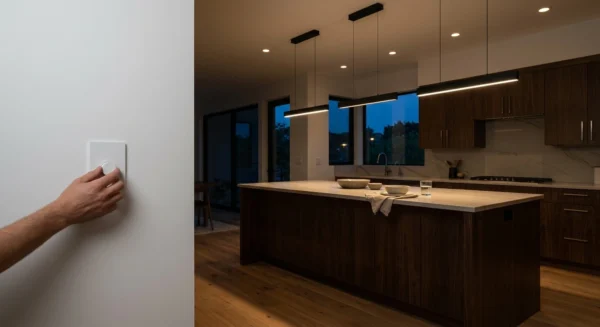
Use an LED-compatible dimmer with a dimmable bulb. Older incandescent dimmers often cause LED bulbs to flicker or buzz. Check the bulb and dimmer compatibility lists before installation.
For sealed housings, choose a bulb rated for enclosed fixtures. Trapped heat shortens the operating life of drivers and diodes. The bulb may continue working even while excess heat causes gradual damage.
Final LED Bulb Disposal Check
Before discarding a lamp, confirm its technology, battery status, and locally approved destination. Keep it intact and package it against breakage. Use a dedicated lamp or electronics recycler whenever practical.
If local rules allow an intact standard LED in household trash, wrap it securely. Keep it separate from recyclable glass. Never place battery-backed LEDs in household trash or curbside recycling.
Learning how to dispose of LED light bulbs helps prevent broken glass, recycling contamination, and battery fires. Treat unknown lamps as potentially mercury-containing. Route smart bulbs and rechargeable products through an electronics program that accepts their components.