led light flickering often points to a loose connection, an incompatible dimmer, or an unstable power supply. Some fixes take only a few minutes. Others require a licensed electrician.
Start by noting where and when the flicker occurs. A single flashing bulb usually suggests a local problem. Several lights flickering together may indicate a circuit or electrical service issue.
Common Causes of led light flickering
LED bulbs need steady current and compatible controls. Small changes in voltage can make them flash, pulse, or briefly shut off.
A Loose or Faulty Bulb
A bulb may flicker when it does not sit firmly in the socket. Turn off the light and let the bulb cool. Then tighten it gently without forcing it.
Check the base for discoloration, corrosion, or damaged contacts. Replace the bulb if you see heat damage or a loose base.
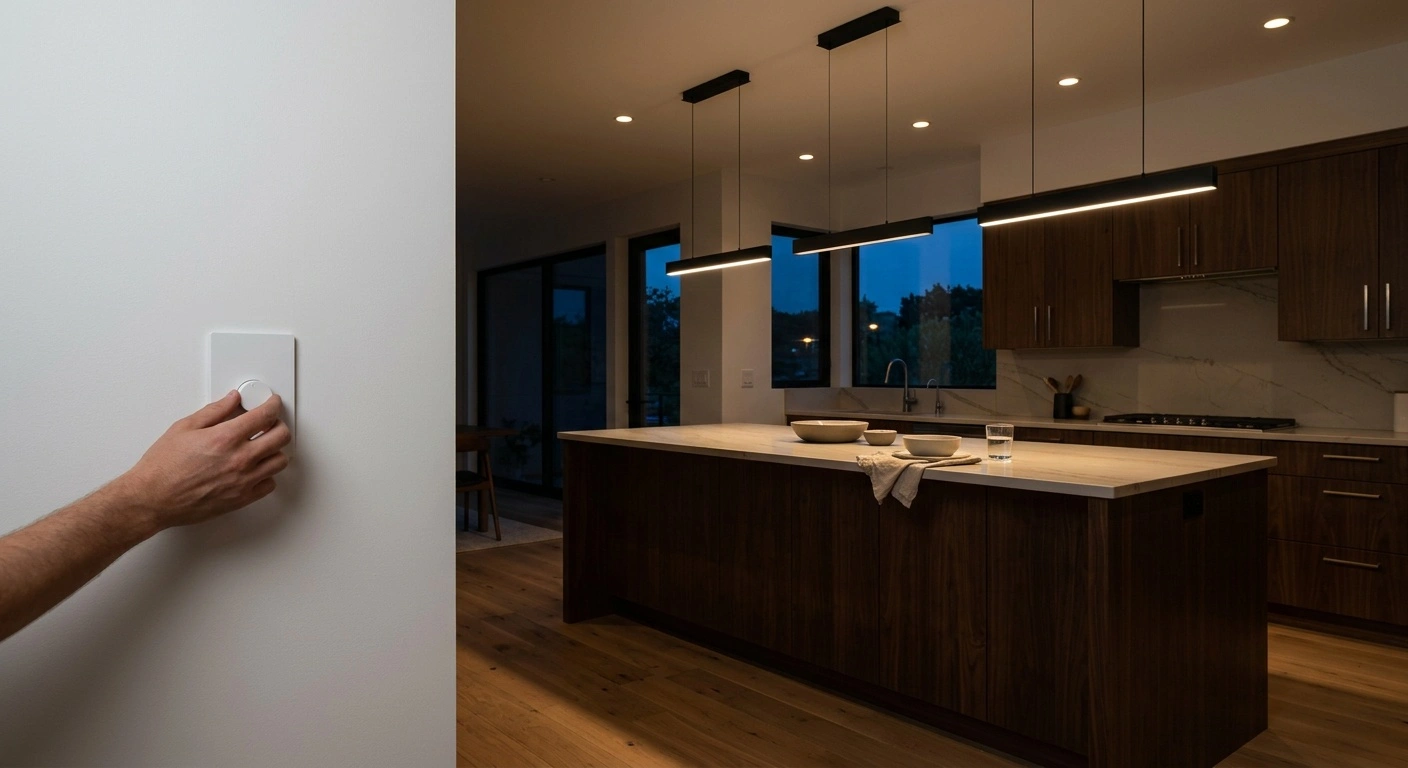
An Incompatible Dimmer Switch
Older dimmer switches often work poorly with LED bulbs. They may cause flickering at low settings or across the full dimming range.
Confirm that the bulb carries a dimmable label. Then check whether its manufacturer lists your dimmer as compatible. An LED-rated dimmer often solves the problem.
A Failing LED Driver
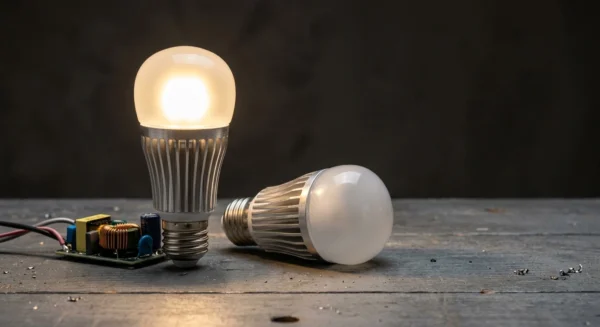
An LED driver converts household power into the current that the light needs. Heat, age, and poor-quality components can shorten its service life.
Some fixtures contain replaceable drivers, while others use integrated parts. A technician can test the driver and identify a suitable replacement.
Loose Wiring or Connections
Loose wires can interrupt power and create heat. Flickering may appear when someone uses a switch or when vibration affects the connection.
Do not remove electrical panels or handle exposed wiring unless you have the proper training. Shut off the circuit and call an electrician if you suspect a loose connection.
Voltage Changes
Large appliances draw significant current when their motors start. You may notice a brief dip when an air conditioner, refrigerator, or pump switches on.
Frequent or severe flickering can indicate a circuit problem. It may also point to an issue with the electrical service. An electrician can measure voltage under load and trace the source.
Low-Quality or Failing Bulbs
Cheap components may provide inconsistent current control. However, even a well-made LED bulb will eventually fail.
Test the fixture with a bulb from a reliable manufacturer. If the replacement works normally, recycle or dispose of the old bulb according to local rules.
How to Find the Source of the Flicker
A simple process can separate bulb problems from fixture or circuit faults. Stop immediately if you smell burning, hear buzzing, or see scorch marks.
Check the Pattern
- One bulb flickers: Inspect the bulb, socket, and fixture.
- One room flickers: Check the dimmer, switch, and branch circuit.
- Several rooms flicker: Contact an electrician or your utility provider.
- Flickering starts with an appliance: Ask an electrician to test voltage and circuit loading.
Also note whether the problem changes as you adjust a dimmer. Flickering at one setting often signals a compatibility issue.
Test a Different Bulb
Turn off the fixture and allow the existing bulb to cool. Install a known working LED bulb with the correct base and voltage rating.
If the new bulb flickers, test it in another compatible fixture. This step helps identify whether the bulb or fixture causes the fault.
Bypass Smart Controls
Smart switches, motion sensors, timers, and illuminated switches may pass a small current while turned off. That current can make some LED bulbs flash at intervals.
Check the control manufacturer’s compatibility list. Some installations need a neutral wire, bypass device, or different bulb type.
Inspect the Fixture Rating
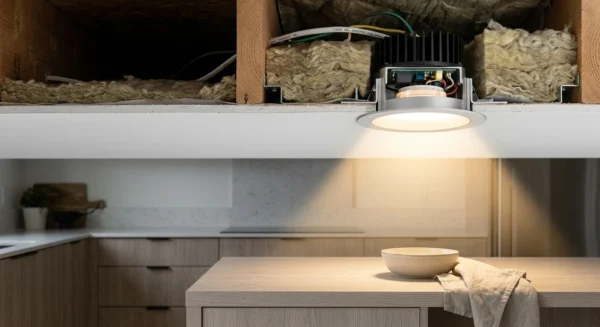
Enclosed fixtures trap heat, which can damage bulbs that lack an enclosed-fixture rating. Recessed fittings may also activate thermal protection if temperatures rise too far.
Use a bulb that matches the fixture’s wattage, shape, and enclosure requirements. Never exceed the fixture’s maximum rating.
Flickering After an LED Upgrade
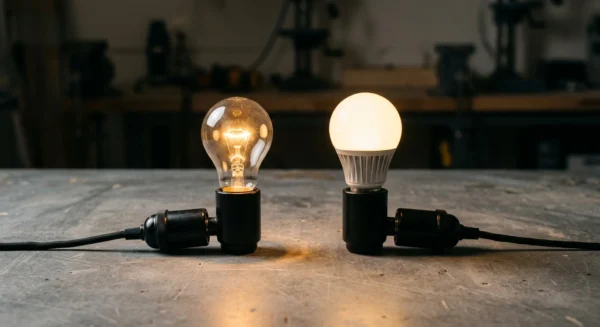
Problems often begin after someone replaces incandescent or halogen bulbs with LEDs. Existing transformers and dimmers may not meet an LED bulb’s operating requirements.
Low-voltage lighting needs special attention. Some electronic transformers require a minimum load that LEDs cannot provide. Replacing the transformer with an LED-compatible model may stop the flicker.
Mixed bulb types can also cause inconsistent dimming. For better results, use matching LED bulbs on the same dimmer-controlled circuit.
Outdoor and Cold-Weather Problems
Outdoor fixtures expose bulbs and connections to moisture, corrosion, and temperature changes. Check that the bulb and fixture carry the correct damp-location or wet-location rating.
Cold weather can affect drivers and controls that lack a suitable temperature rating. Choose products rated for the expected outdoor conditions.
Water inside a fixture requires prompt attention. Turn off the circuit and repair the seal, housing, or wiring before using the light again.
When Flickering Needs Professional Attention
Persistent led light flickering can warn of a serious electrical fault. Call a licensed electrician if tightening or replacing the bulb does not correct the issue.
Arrange an inspection promptly if you notice any of these signs:
- Burning smells, smoke, sparks, or scorch marks
- A warm or discolored switch plate
- Buzzing from a switch, outlet, panel, or fixture
- Flickering across several rooms
- Lights that brighten and dim without a clear cause
- Breakers that trip repeatedly
- Flickering that begins during windy or wet weather
Whole-house changes may involve the service connection or utility equipment. Contact your utility provider if neighbors report the same problem.
Preventing Future LED Flicker
Buy bulbs, dimmers, drivers, and transformers designed to work together. Manufacturer compatibility charts provide more reliable guidance than wattage alone.
Keep fixtures within their listed temperature and wattage limits. For dimmed circuits, use matching bulbs rather than mixing brands and models.
Address loose switches, damaged sockets, and moisture as soon as you find them. Good connections reduce flicker, excess heat, and premature component failure.
A Safe Fix Starts With the Right Diagnosis
Most led light flickering comes from the bulb, dimmer, driver, or a loose connection. Test simple components first, but treat widespread or severe flickering as an electrical safety issue.
Turn off power before inspecting a fixture. If the cause remains unclear, ask a licensed electrician to test the circuit and make the repair.