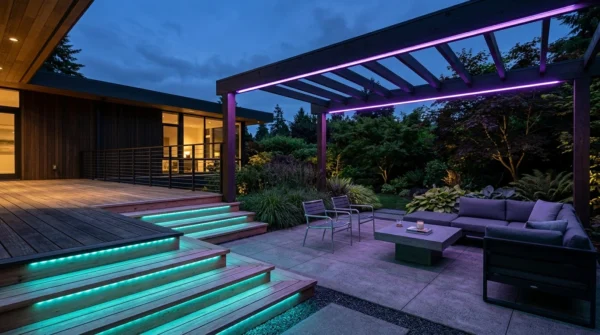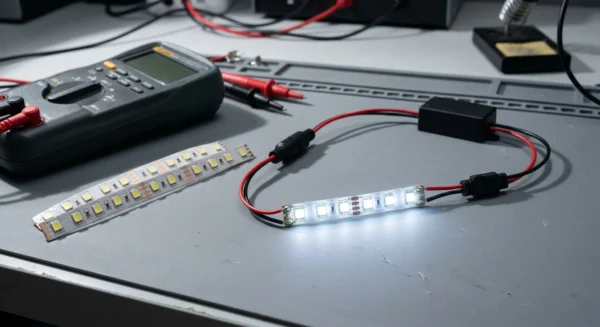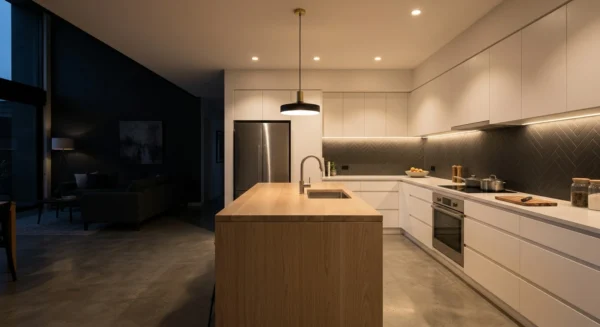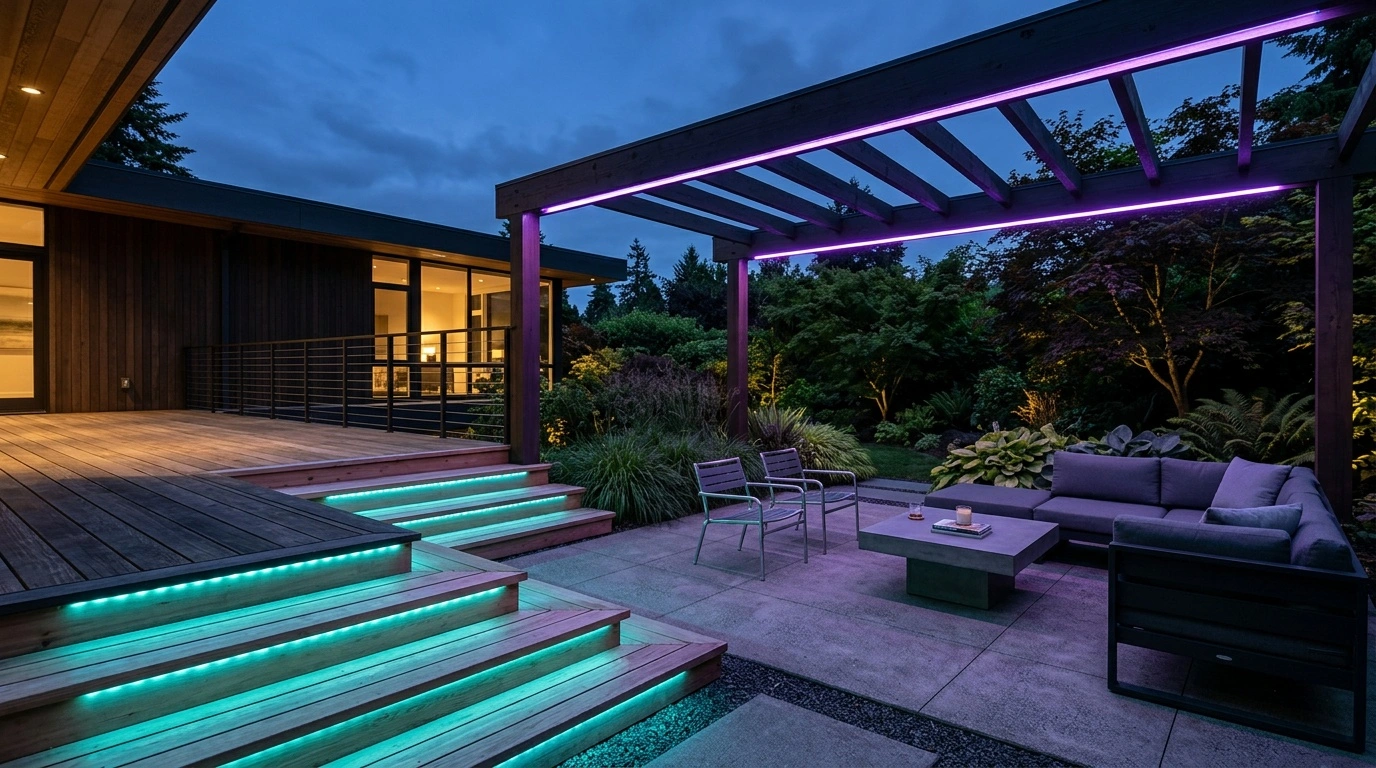
Choosing outdoor color changing LED lights starts with checking weather protection, brightness, controls, and installation requirements. The right fixtures can provide practical lighting for patios, paths, gardens, and restaurant dining areas.
How to Choose Outdoor Color Changing LED Lights
Start with the fixture’s ingress protection rating, usually listed as an IP code. Look for IP65 or higher in areas exposed to rain, sprinklers, or windblown dust.
Covered porches may support fixtures with a lower rating, depending on their placement. However, never install a dry-location light outdoors, even beneath a roof.
Match Brightness to the Space
Check lumen output instead of relying only on wattage. A low-output accent light can mark a garden edge, while a dining area needs stronger illumination.
Aim fixtures carefully to reduce glare. For tables and seating, indirect light often feels more comfortable than a bright beam at eye level.
Check Color and White-Light Options
Some fixtures produce only red, green, and blue combinations. RGBW and RGBCCT models include dedicated white LEDs, which usually create more useful everyday light.
Adjustable white settings also let you switch between warm and cool tones. Warm white suits relaxed seating, while cooler light can support task areas and security needs.
Choose Controls That Fit Your Routine
Outdoor color changing LED lights may use a remote, mobile app, wall control, or smart-home platform. Before buying, confirm that the control method works at the required distance.
Bluetooth controls work well for smaller spaces but require a nearby phone or tablet. Wi-Fi systems allow remote access, schedules, and broader automation when the network reaches the fixtures.
For restaurants and other commercial spaces, a physical wall control can prevent delays during service. Staff should be able to select a scene without finding a specific phone.
Look for Useful Presets and Scheduling
Color presets save time when you use the same lighting scenes regularly. A schedule can turn lights on before sunset and switch them off after closing.
Use motion effects sparingly. Slow fades may suit an event, but steady colors provide a calmer setting for dining and conversation.
Plan the Installation Before Buying
Identify power sources, cable routes, mounting points, and controller locations first. This step helps you avoid exposed extension cords and fixtures that cannot reach an outlet.
Use outdoor-rated cables, connectors, transformers, and junction boxes throughout the system. A weatherproof fixture still needs properly protected electrical connections.
Low-Voltage and Line-Voltage Systems
Low-voltage lights use a transformer to reduce household current. They work well for landscape lighting and often allow simpler cable placement.
Line-voltage fixtures connect to standard electrical service and may suit permanent wall or building installations. Hire a licensed electrician when local rules require one.
Plug-in equipment should use a ground-fault circuit interrupter, commonly called a GFCI. Keep controllers and power supplies in locations approved by their manufacturers.
Place Fixtures for Even, Comfortable Light
Space lights according to beam width rather than using equal distances by default. Narrow beams work for trees and architectural details, while wider beams cover walls and seating areas.
Test each position after dark before securing the fixture. A small adjustment can remove harsh shadows or stop light from entering a neighbor’s property.
Lighting Patios and Dining Areas
Use warm white light for routine service and reserve saturated colors for events or seasonal displays. Deep blue and red can distort the appearance of food, faces, and printed menus.
Mount lights above or beside guests instead of aiming them directly across tables. For steps and walkways, keep enough white light available for safe movement.
Lighting Gardens and Building Features
Place fixtures away from mower paths, drainage channels, and areas that collect water. Shielded housings can reduce glare while keeping attention on plants, stonework, or signs.
Avoid lighting every surface with the same color. Contrast between lit and unlit areas creates definition and usually requires fewer fixtures.
Maintain Reliable Outdoor Lighting
Clean lenses periodically because soil, pollen, and grease can reduce output. Disconnect power first, then follow the manufacturer’s cleaning instructions.
Inspect cables and seals after severe weather or landscaping work. Replace damaged components with parts approved for the system rather than relying on tape or indoor connectors.
Save app settings and label controllers when several zones share one property. Clear labels help staff, residents, and service technicians identify each circuit quickly.
Build a Lighting System That Lasts
Outdoor color changing LED lights work best when the fixtures, controls, and electrical components suit the site. Prioritize weather ratings and reliable white light before comparing decorative effects.
Plan the layout after dark, protect every connection, and keep controls simple. Those decisions produce a safer installation and more consistent results throughout the year.